-
-
The Klingons: A Code, or a Costume? (Race Spotlight)
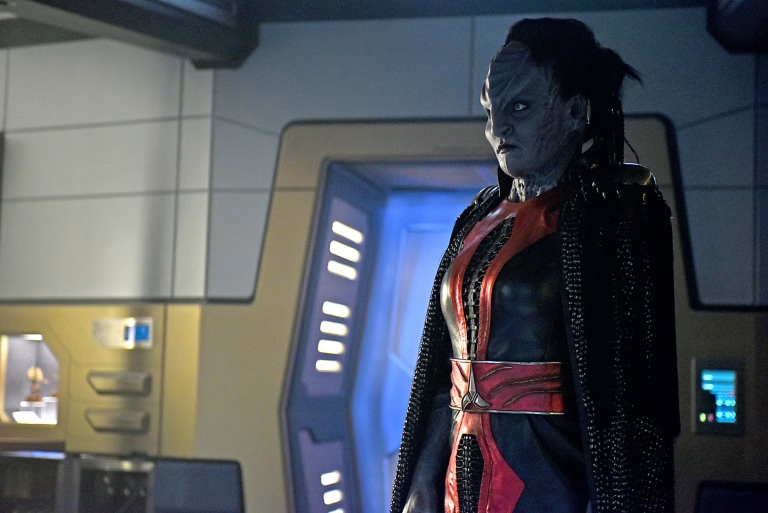
A man stands in the Great Hall on Qo’noS, accused of a treason his father never committed, and the most powerful Klingon in the room knows he is innocent.
Chancellor K’mpec has the truth in front of him. The defence codes that allowed the Romulans to destroy Khitomer, four thousand dead in a single night, were not transmitted by Worf’s father Mogh. They were sent by Ja’rod, father of Duras, whose house carries too much weight on the Council to be touched without splitting the Empire. So the Council does the arithmetic and lets an innocent name carry the guilt. K’mpec asks Worf to swallow it, to accept discommendation and a lifetime of public shame, so that the Empire does not crack along the fault line the truth would open. And Worf does. He turns, and a hall full of warriors crosses their wrists and turns their backs on him, one by one, for a crime that did not happen.
That is the most honour-obsessed culture in Star Trek, transacting in a lie, in the one building where honour is supposed to mean something. Remember that image. Everything else here pulls against it.
-
I Read the First Seven Chapters of Star Trek: Stargazers and It Just Didn’t Work for Me (Bleak Reading)
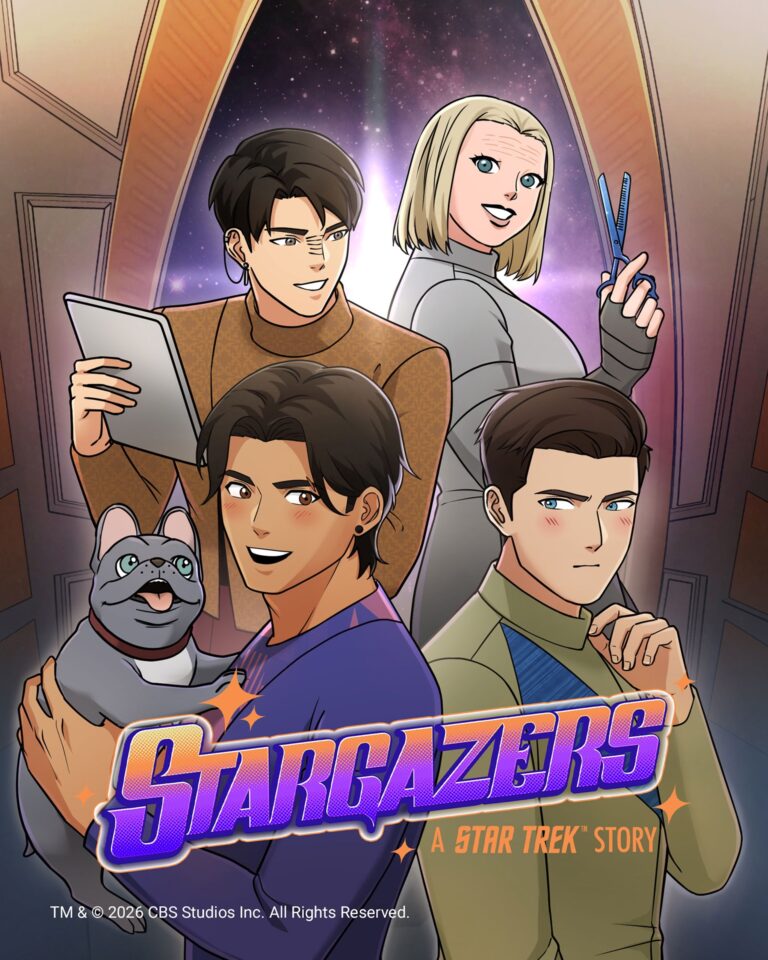
Seven chapters into Star Trek: Stargazers, Leon, the lead, looks up from a fantasy novel his class is dissecting and connects the book’s tyrant to the Borg. Assimilation, he says, is just the annihilation of the self. It is a real Trek thought, the kind the franchise has built entire stories on, and for a second I sat up. Then the class went back to deciding which of the novel’s elves are secretly Vulcans, the moment closed, and it struck me that one line was the most Star Trek the comic had managed in seven chapters.