I Read the First Seven Chapters of Star Trek: Stargazers and It Just Didn’t Work for Me (Bleak Reading)
Seven chapters into Star Trek: Stargazers, Leon, the lead, looks up from a fantasy novel his class is dissecting and connects the book’s tyrant to the Borg. Assimilation, he says, is just the annihilation of the self. It is a real Trek thought, the kind the franchise has built entire stories on, and for a second I sat up. Then the class went back to deciding which of the novel’s elves are secretly Vulcans, the moment closed, and it struck me that one line was the most Star Trek the comic had managed in seven chapters.
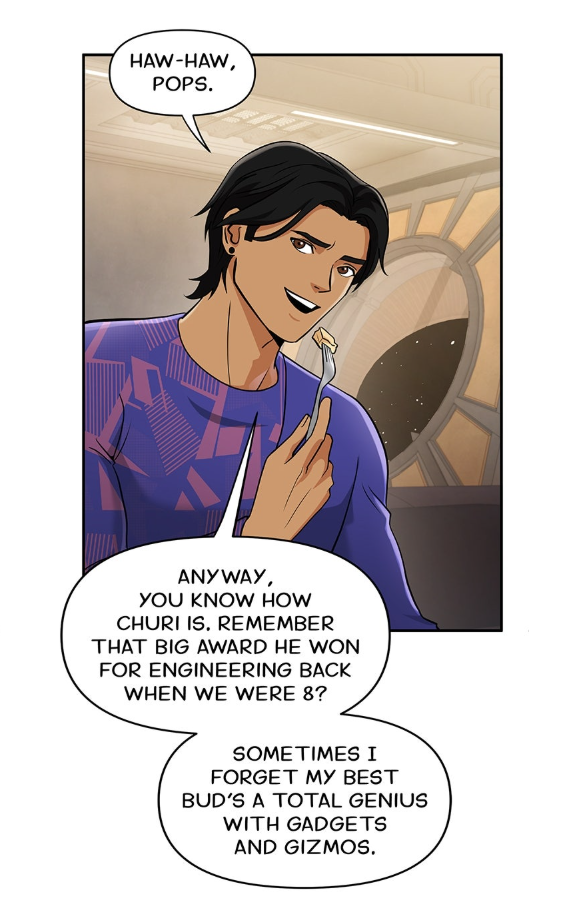
That is the problem with Stargazers, and I want to be careful about how I put it, because the easy version of this complaint is not the one I am making.
I have no issue with the premise. A slice-of-life story set on Deep Space 9, following civilian kids instead of officers, is a perfectly good idea, and the quiet corner of the station that the television series left behind is a fine place to put one. I have no issue with the romance, a slow burn between Leon and his uptight, Starfleet-bound friend Syrrik. I read manga, Lone Wolf and Cub is one of my favourite titles not just in manga but any book form. I review IDW books with relationships exactly like this one in them and never think twice about it. I have no issue with the cast being diverse, because Star Trek has been diverse since 1966 and a Trek that wasn’t would be the odd one out. None of that is what didn’t work for me. The writing is.

I should say plainly that I am usually the soft touch in these conversations. I found real things to admire in Discovery when a lot of fans had written it off before the title sequence had finished playing, never got involved with the Starfleet Academy pile on and actually really enjoyed it. I can nearly always find the thread worth pulling. So when I tell you I reached chapter seven of something and still could not find it, that is not my default setting talking. It caught me off guard, I usually love all things Trek no matter what but this is… not good.
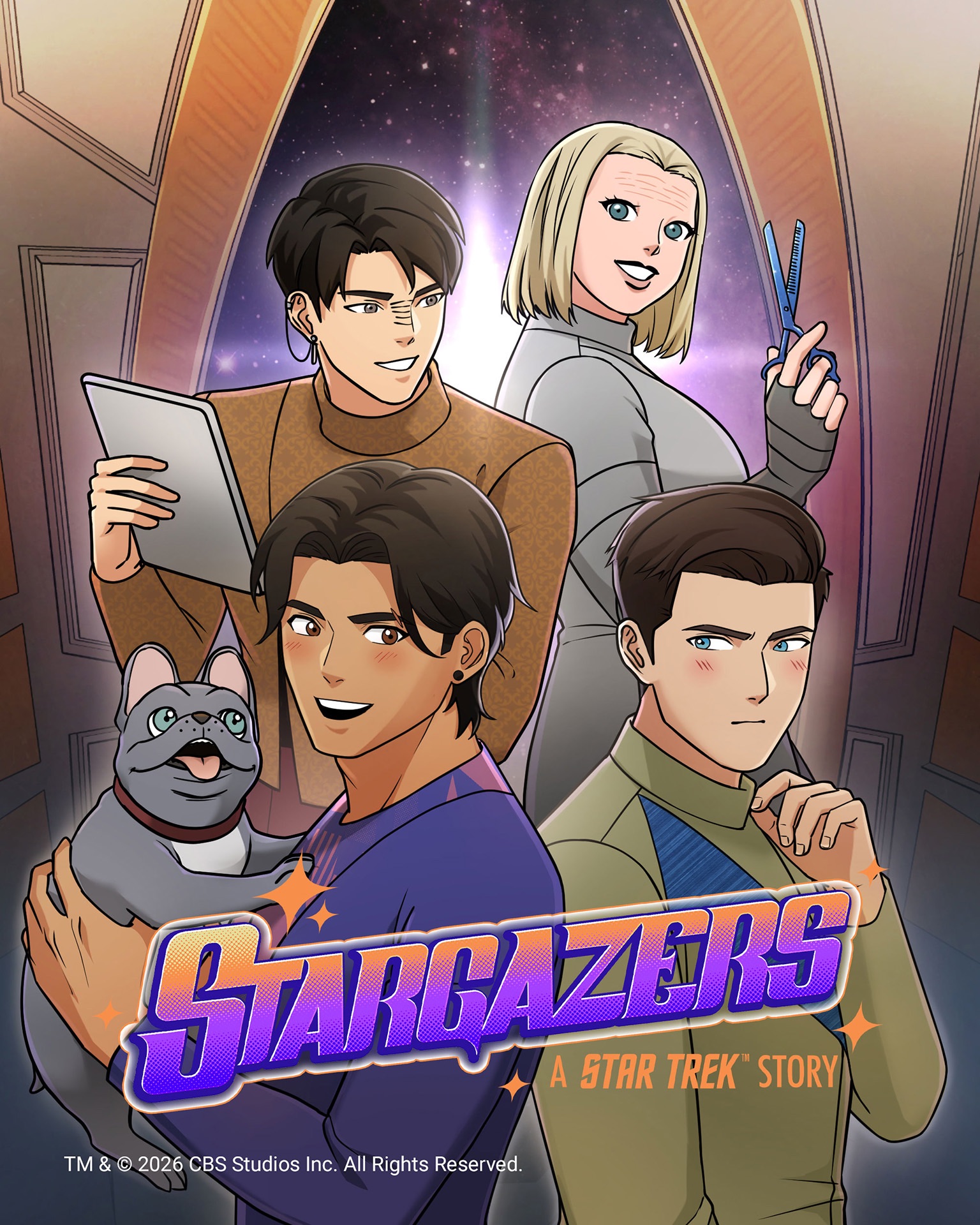
The first thing you notice is the register. Stargazers is rated for teens and sold as young adult, and it reads years younger than that. The dialogue spells everything out and trusts you with nothing. The emotions arrive pre-labelled, sometimes literally, with the art dropping sound-effect words like BLUSHING, SHY, and CONFUSED onto the page in case the faces and the lines beneath them had not made it obvious enough. An entire second chapter is built on Leon sulking because Syrrik called him feckless, a grievance he relitigates at such length that by the end he has forgotten what the insult even was. His friend Churi just says “uh huh” and keeps working. It is written for a reader you are not trusting to keep up, and the effect is less all-ages than primary-school.
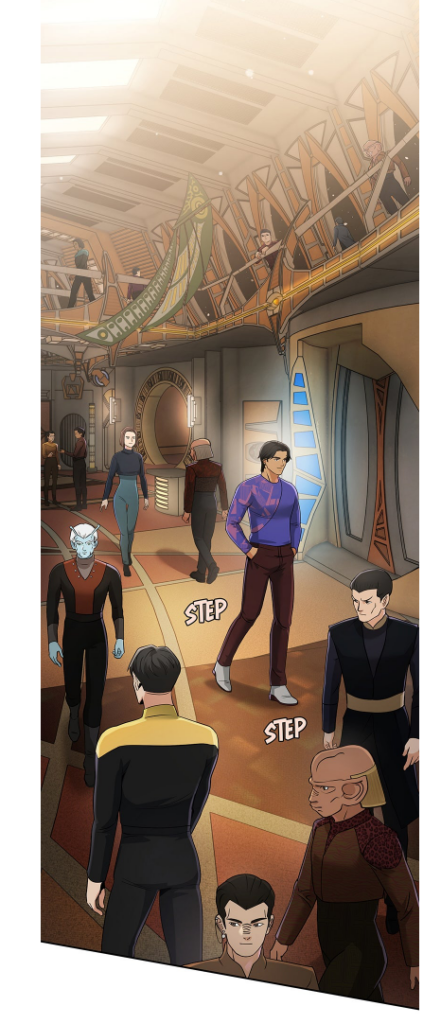
The conflicts are small and the characters rarely feel much deeper than the role each has been assigned. Across seven chapters the stakes have been a dog-flap for Leon’s French bulldog, a disagreement about a fantasy novel, and a plan to put on a station talent show. The seventh chapter’s real subject, once you lift off the fantasy-book framing, is a gentle lesson about how it is fine not to know what you want to do with your life. That is a decent thing to tell a young reader. It is also, more or less, a careers seminar taking place on the most politically charged piece of real estate the franchise owns.

This is where it stops feeling like Star Trek to me. The setting does all the work the writing won’t. There is a replicator gag in chapter one, a Ratamba stew reference in chapter seven, the wormhole sitting in a window, and some handsome backgrounds of the Promenade. Strip the DS9 dressing away and almost nothing here needs to be Star Trek at all. Seven chapters in, the comic has shown almost no interest in the things that made Deep Space 9 distinctive in the first place, the long shadow of the Occupation, the awkward work of post-war reconstruction, the Bajoran faith, the station’s role as a commercial crossroads, and the friction of a dozen cultures sharing one cramped station. All of it was there for the taking. None of it has been taken. The Borg line proves the writer can reach for the real thing when he wants to. He mostly doesn’t.
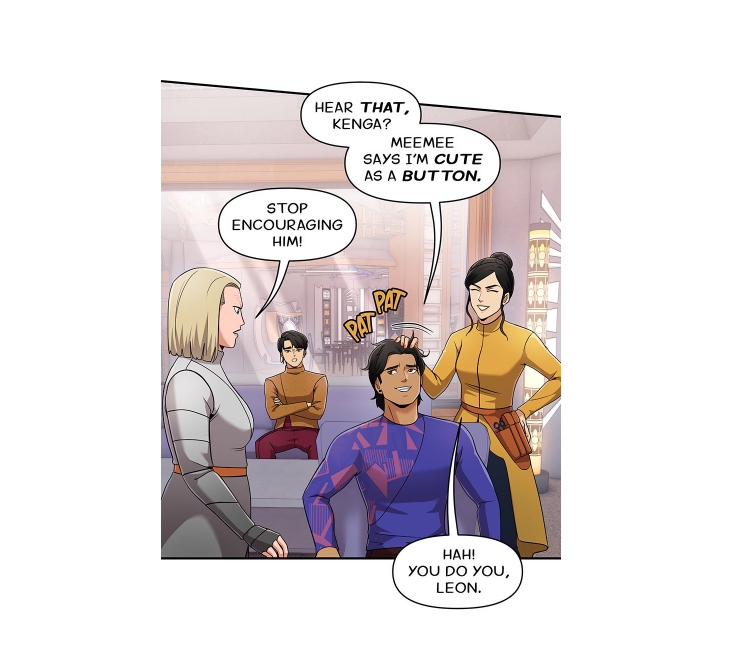
The art tells the same story in miniature. The environments are the work of dedicated background artists and it shows, all that lovely Cardassian ironwork and warm Promenade light. The figures sitting on top of them run on webtoon shorthand, the chibi heads and the spelled-out blushes, and the two halves never quite belong in the same panel.
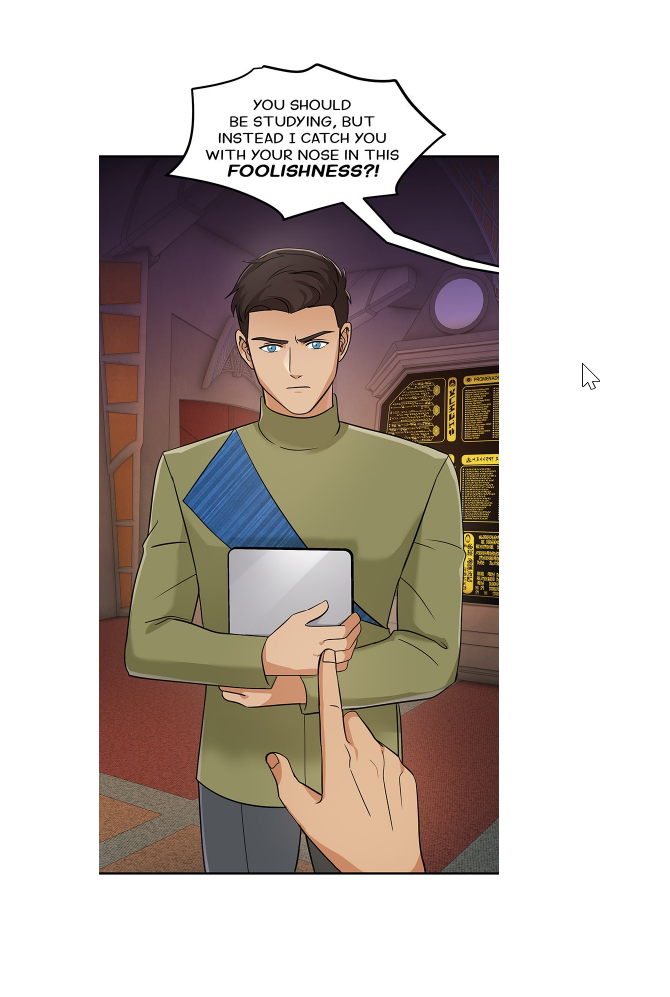
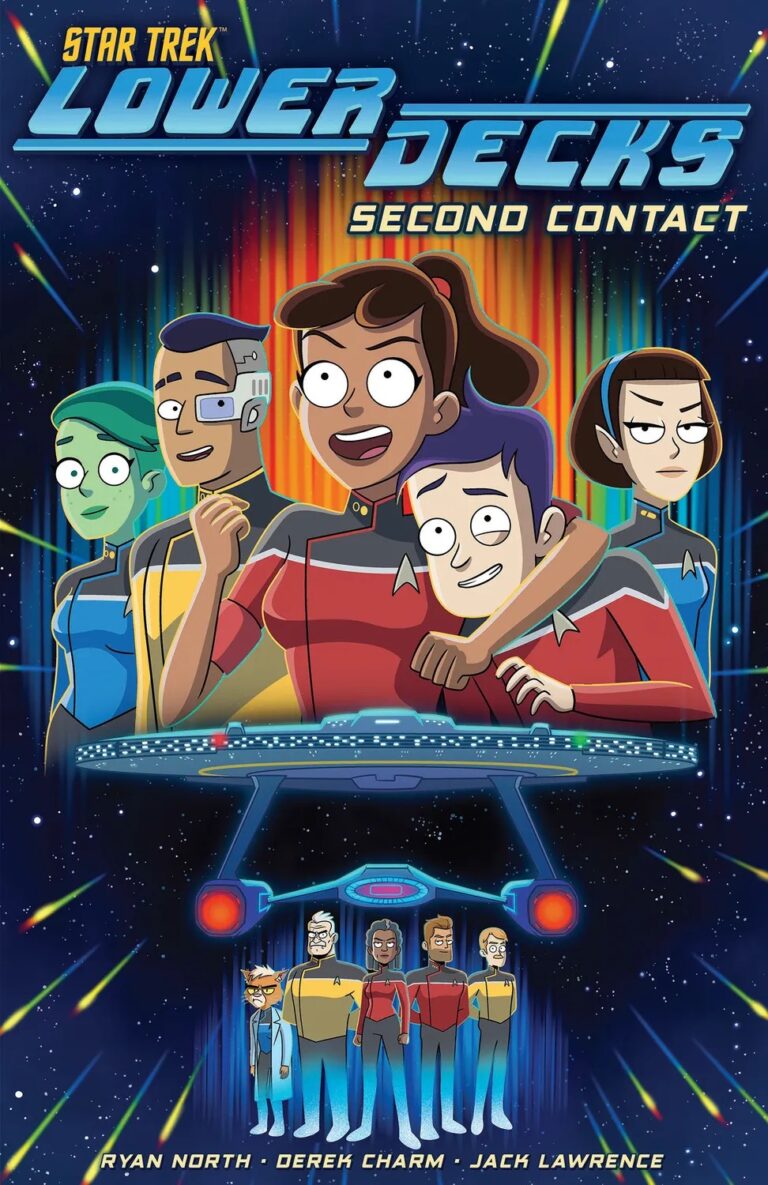
Which brings me to the comparison I cannot stop making, because it is the one that explains the frustration. Prodigy is aimed squarely at children, younger than Stargazers and its supposed teen readership, and it is unmistakably Star Trek. It hands its kids a missing crew, a living warship, a villain who means every word, and the genuine weight of choosing to join something bigger than themselves. It trusts a ten-year-old to sit with a hard idea.
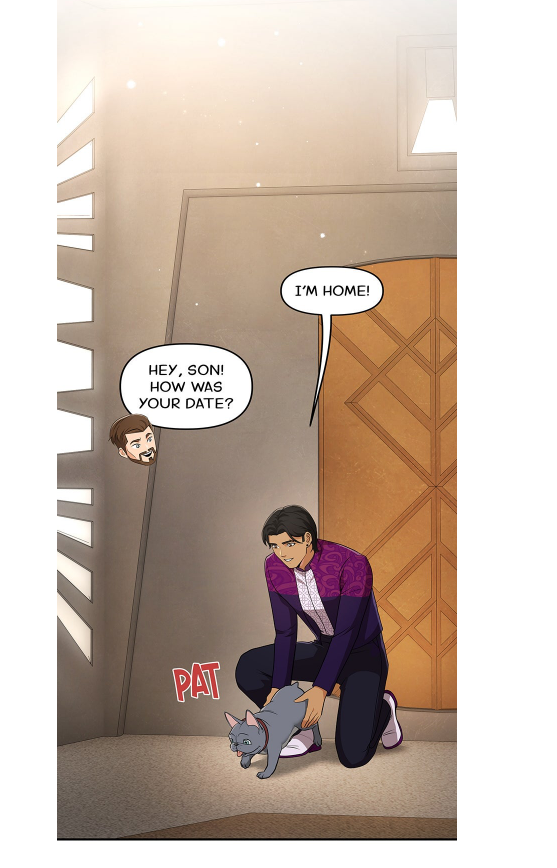
Stargazers, pitched older, trusts its reader with a dog-flap. Both set out to carry new people into the franchise. Only one of them seems willing to challenge the people it is carrying.
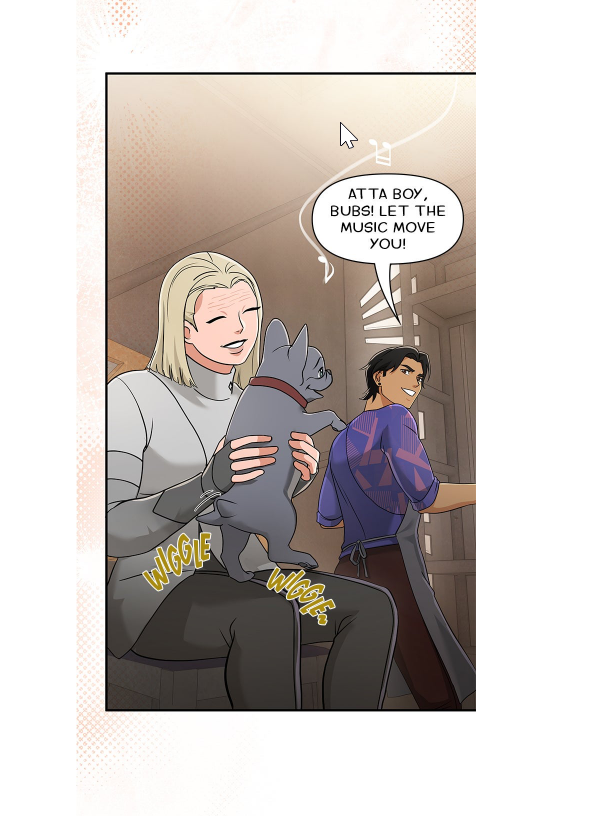
I do not think Jarrett Melendez is a bad writer, I think. He wrote Chef’s Kiss and contributed to Young Men in Love, and those are warm, grown-up romance comics that work entirely on their own terms which people seem to love. He also told an interviewer that you do not need to know a thing about Trek to read Stargazers, not even what Deep Space 9 is. I believe him, and I suspect that is part of the problem. A comic written so that Star Trek is optional was always going to read as though Star Trek is optional.
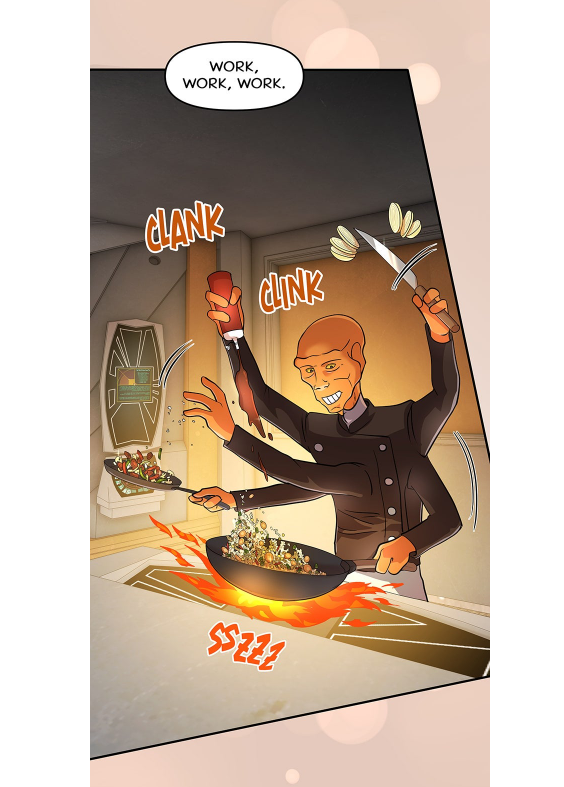
I will keep reading, because I always read to the end of anything Star Trek, and there are thirty-three chapters still ahead with plenty of room to find a reason to be set where it is set. I hope it takes one. Seven chapters is enough to judge a first impression, even if it is not enough to judge the whole story, and the first impression is that Stargazers wears the badge without carrying any of the weight. It is without doubt at the moment, in my eyes, the worst Star Trek ever made. Threshold is right there. It is also it seems, the Star Trek project most indifferent to being Star Trek, and for a franchise built on caring about things, that is a far stranger failure than simply being bad.