-
-
-
-
Star Trek: Strange New Worlds — The Seeds of Salvation TPB (Review)
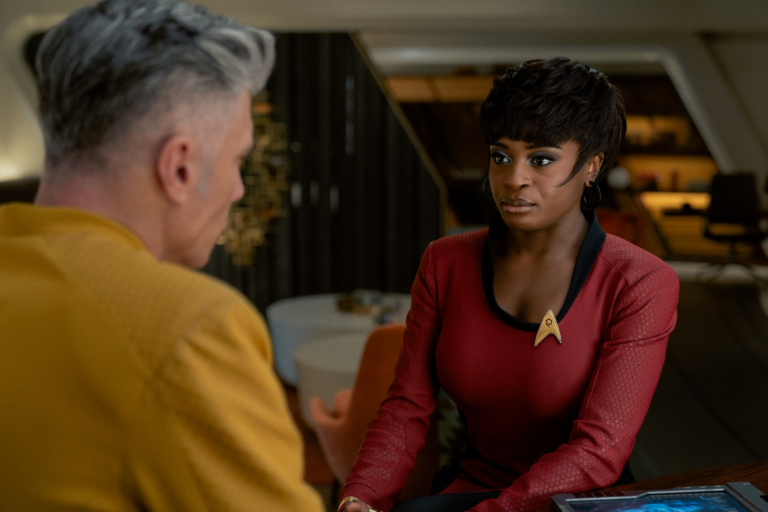
Christine Chapel leads a rescue mission into an ancient prison hidden beneath the frozen world of Poilant in Star Trek: Strange New Worlds — The Seeds of Salvation. Robbie Thompson delivers a thoughtful horror-flavoured Star Trek adventure with strong character work, impressive artwork, and a satisfying Trek conclusion, even if a mid-book art change and a few familiar tropes stop it short of greatness.
-
-
-
The Vulcans: Logic, or Emotion? (Race Spotlight)
A single tear forms at the corner of Sarek’s eye during a chamber recital. It should be almost nothing. By the time it reaches his cheek, the Enterprise is beginning to come apart.
That is “Sarek”, and it might be the most devastating hour Star Trek ever built around a Vulcan. Ambassador Sarek, two hundred and two years old, arrives aboard the Enterprise-D for one last diplomatic triumph. He has spent ninety-three years preparing for negotiations with the Legarans, a species willing to deal with nobody else, and Picard greets him with the respect due to one of the Federation’s greatest living figures.
-
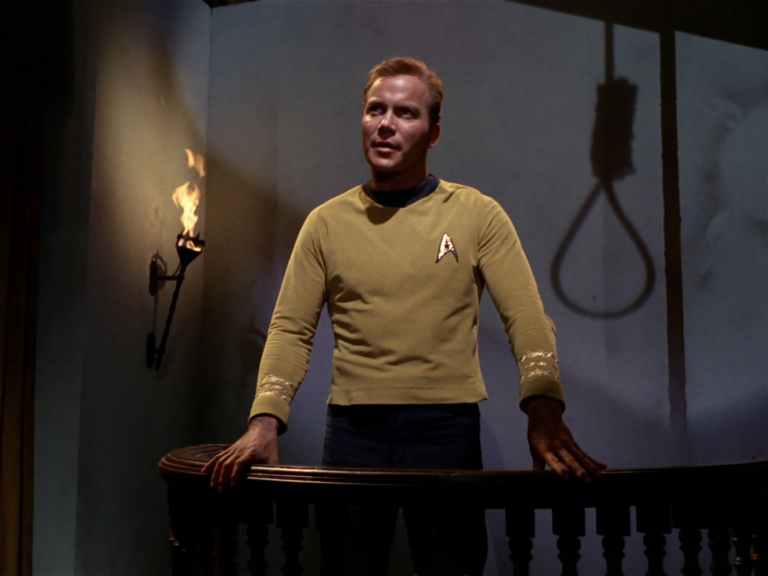
Star Trek: TOS – The Corbomite Maneuver (S01E10)
There’s a small moment early on that tells you more about this episode than the plot ever does. Spock looks at Balok’s face on the viewscreen, a snarling oversized puppet built to terrify, and instead of flinching he says one word: fascinating. Leonard Nimoy was still refining Spock at this point, and director Joseph Sargent reportedly told him to be different, be the scientist, be detached. That single word is where the Spock we all recognise really starts to emerge. It’s a quiet decision, and it tells you everything about what this episode is doing underneath the space bluff and the countdown clock.
-
The Constitution-Class: The Ship That Bet Everything on Exploration
Show someone who has never seen a minute of Star Trek a picture of the original Enterprise, and they will still know what they are looking at. A ship. Something built to go a long way from home. The wide saucer, the slim neck slung beneath it, the two engines held out on struts well clear of the body. That outline has been printed on lunchboxes, flown on parade floats, and rebooted on cinema screens for the better part of sixty years, and it is still the first thing a great many people picture when someone says the words science fiction.
-
The Klingons: A Code, or a Costume? (Race Spotlight)
A man stands in the Great Hall on Qo’noS, accused of a treason his father never committed, and the most powerful Klingon in the room knows he is innocent.
Chancellor K’mpec has the truth in front of him. The defence codes that allowed the Romulans to destroy Khitomer, four thousand dead in a single night, were not transmitted by Worf’s father Mogh. They were sent by Ja’rod, father of Duras, whose house carries too much weight on the Council to be touched without splitting the Empire. So the Council does the arithmetic and lets an innocent name carry the guilt. K’mpec asks Worf to swallow it, to accept discommendation and a lifetime of public shame, so that the Empire does not crack along the fault line the truth would open. And Worf does. He turns, and a hall full of warriors crosses their wrists and turns their backs on him, one by one, for a crime that did not happen.
That is the most honour-obsessed culture in Star Trek, transacting in a lie, in the one building where honour is supposed to mean something. Remember that image. Everything else here pulls against it.