- The Ferengi Were Never the Joke: Greed Is Eternal
DS9 didn’t satirise Ferengi greed. It satirised the stories people tell themselves to justify it. The Rules of Acquisition still hold up a mirror.
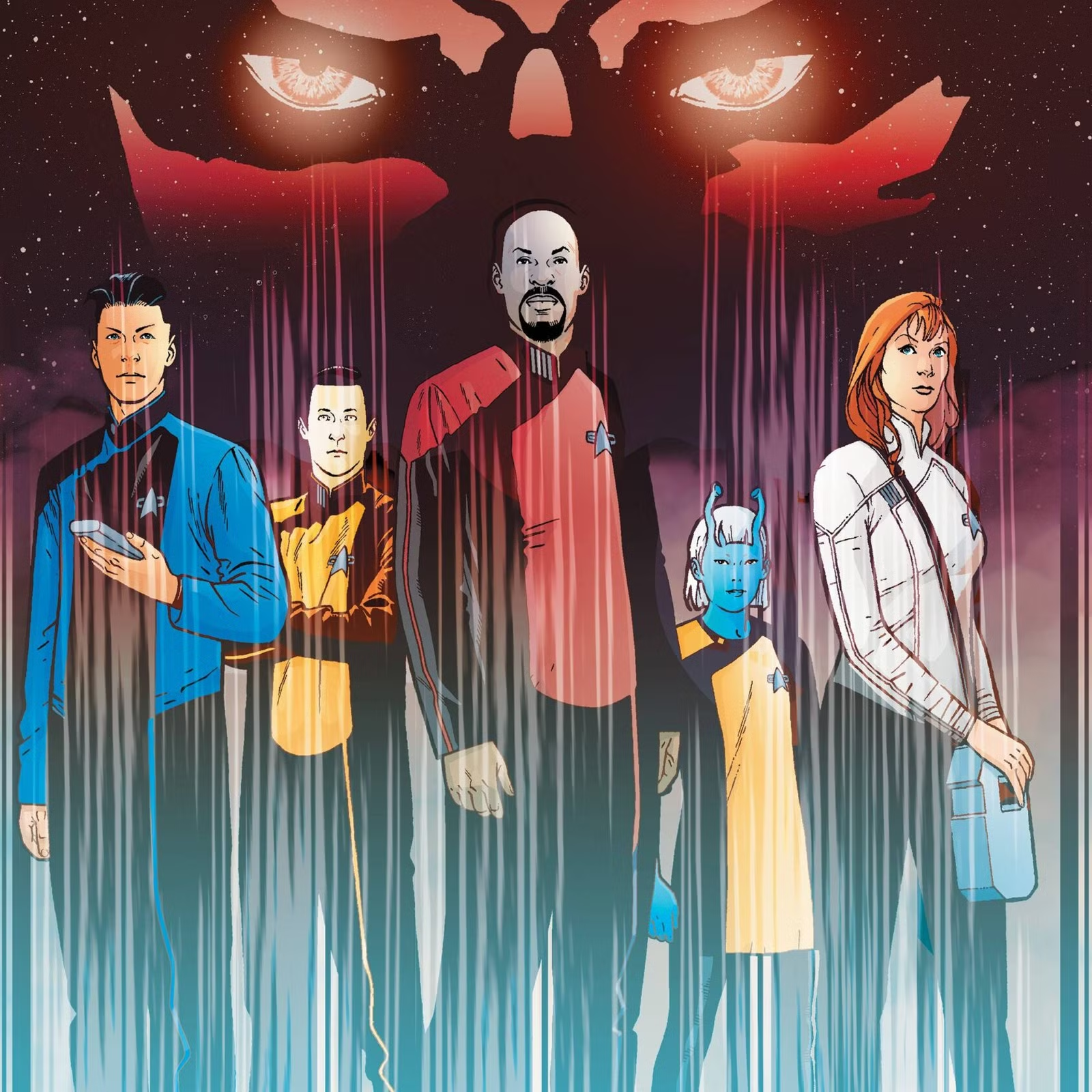
- Star Trek: Gold Key Archives Volume 1
There’s a version of Star Trek that exists slightly to the left of the one you know.
The phasers are called lasers. The shirt colours are wrong. Spock occasionally behaves in ways that would make the television Spock raise an eyebrow. Kirk is a straightforward space hero rather than the complicated, contradictory, occasionally reckless man William Shatner was building on screen. Yet despite all that, the stories are recognisably Trek-shaped. Strange worlds. Impossible problems. Civilisations in crisis. The Enterprise arriving somewhere unusual and trying to think its way through a situation that shouldn’t have a solution.
- Why I Can’t Make Myself Care About Star Trek Novels
There is a Wikipedia page that attempts to define Star Trek canon. It is, in the way of most Wikipedia pages on contested topics, thorough, carefully footnoted, and ultimately incapable of settling the argument it was written to resolve. The page lists what counts, what doesn’t count, what Gene Roddenberry said, what he later contradicted, and the various positions Paramount has taken over the decades. It will not tell you whether the DS9 relaunch novels matter. It will not tell you whether Destiny counts. These are questions canon cannot answer, because they are not really canon questions.
- Star Trek: TOS – The Enemy Within (S01E05)
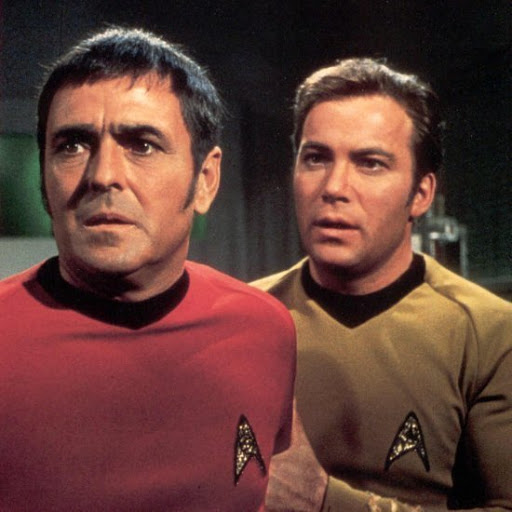
There’s a moment roughly halfway through “The Enemy Within” where good Kirk, gentle, compassionate, and increasingly useless, tries to give an order and physically can’t hold the sentence together. He knows what he wants to say. The words just won’t come with any weight behind them. It’s a small moment, easy to lose in an episode full of bigger ones, but it’s the most honest thing the episode does. The argument isn’t really about good and evil. It’s about what actually holds a command together, and whether the things we’d rather not own about ourselves are, inconveniently, structural.
- Star Trek: TOS – The Naked Time (S01E04)
Let’s begin where any honest review of this episode has to begin: with a trained Starfleet officer, suited up in a quarantine environment where everyone on the research team is already dead, calmly removing his glove and scratching his nose with his bare hand.
- Star Trek: TOS – Where No Man Has Gone Before (S01E03)
I came to TOS backwards, the way most people my age did. TNG was the Trek I grew up with, the one that was actually on when I was old enough to care. TOS arrived later, in the way things did before streaming made chronology optional, in chunks, on whatever channel was running it that week, in an order that made no particular sense. “Where No Man Has Gone Before” was probably not the first TOS episode I watched, but it might as well have been. It’s the one that made me understand what the show actually was, as distinct from the show I already knew. The two things are related but they are not the same thing, and this episode is where you feel the difference most clearly.
- Star Trek: TOS — Charlie X (S01E02)
The premise of “Charlie X” sounds like something you’d find stapled to a bus stop in 1966. Lonely teenager. Godlike powers. Spaceship full of people he makes uncomfortable. On paper it’s disposable, the kind of high-concept Twilight Zone material that could collapse under its own gimmick in twenty minutes. What Dorothy C. Fontana does instead, in her first Trek teleplay credit, working from a story by Gene Roddenberry, is turn it into something quietly unsettling.
- Star Trek: TOS — The Man Trap (S01E01)
There is a specific kind of irony in the fact that Star Trek, a franchise built on the idea that humanity could sort itself out and reach for something better, began its broadcast life by killing the last member of a species and then moving on to the next episode. That’s not a criticism. Or rather, it isn’t only a criticism. It’s the most interesting thing about The Man Trap, an episode that is simultaneously the wrong introduction to Star Trek and, in its final thirty seconds, one of the most honest expressions of what Star Trek was trying to be.
- Star Trek: TOS — The Cage The Show That Almost Wasn’t (Pilot)
“Too cerebral” was the phrase NBC used when they sent it back. As criticisms go, it has aged badly for them.
Desilu delivered a science fiction pilot in 1965 that was slower, stranger, and more introspective than the network knew what to do with. They wanted something else. What came back was Star Trek as most people know it: Kirk, action, adventure, and the formula that would carry the franchise for decades. The original pilot went into a vault. Most people never saw it.
- Star Trek Scouts: The Future Has to Start Somewhere
My middle child discovered Star Trek: Scoutsthrough the Blaze and the Monster Machines YouTube channel. That sentence contains a small amount of absurdity if you have been watching Trek since the eighties, and a larger truth if you are willing to sit with it for a moment. Scouts is the franchise’s first preschool series. Three eight-year-olds named JR, Sprocket, and Roo learning to become future Starfleet explorers in three-minute episodes, produced by Nickelodeon Digital Studio with CBS Studios. The first two episodes arrived not on the main Star Trek channel or a streaming platform, but through Nickelodeon’s Blaze and the Monster Machines…
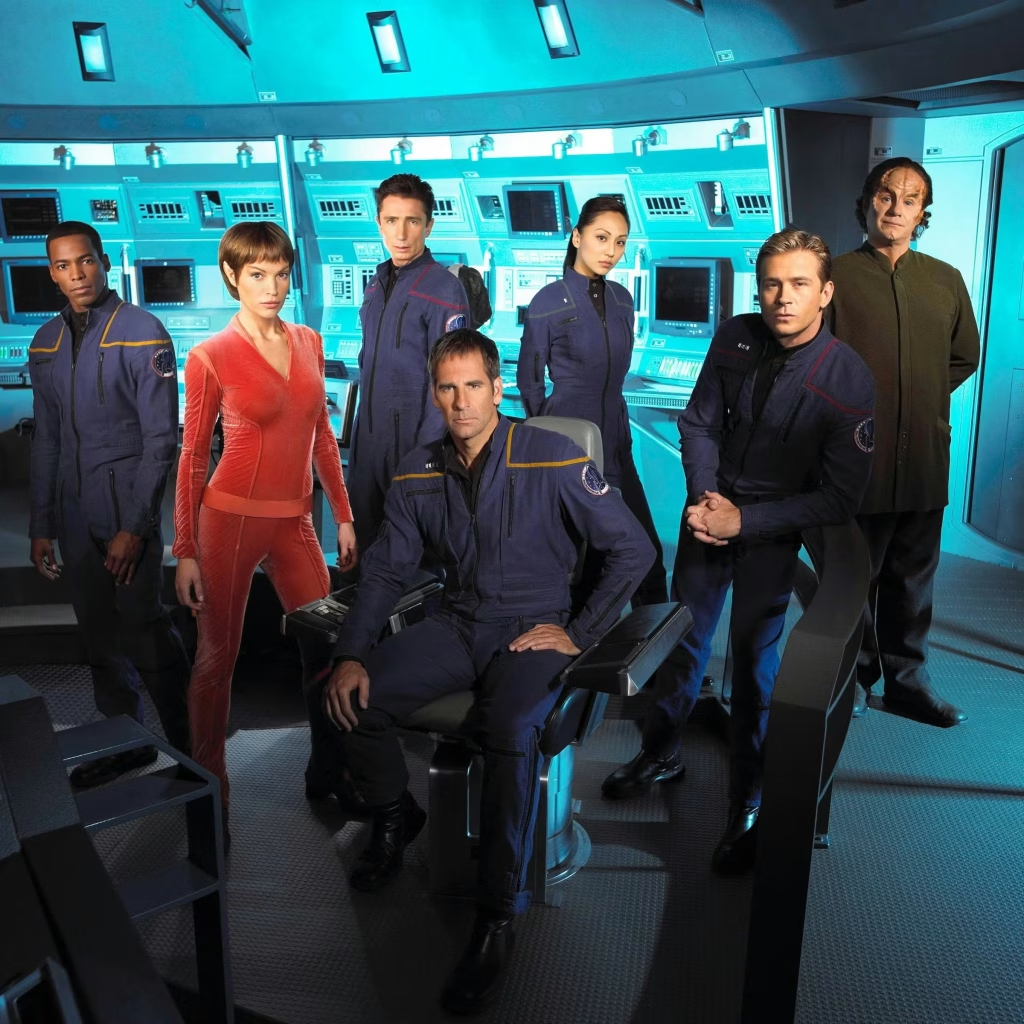
- Why Jonathan Archer Is the Most Important Captain in Star Trek
Scott Bakula had already earned my loyalty before he ever set foot on the NX-01. I came to Enterprise as a Quantum Leap fan first, which meant I arrived with more goodwill toward the lead than a lot of viewers bothered to bring. That probably helped. Enterprise had a rough reception when it aired, and Archer took a lot of the blame for things that weren’t really his fault. Two decades on from the finale, I think the case for Jonathan Archer deserves to be made properly.
- Why Star Trek Still Matters
Star Trek has run for sixty years. Here’s why it still matters more than Star Wars or Doctor Who — and what makes it genuinely different.
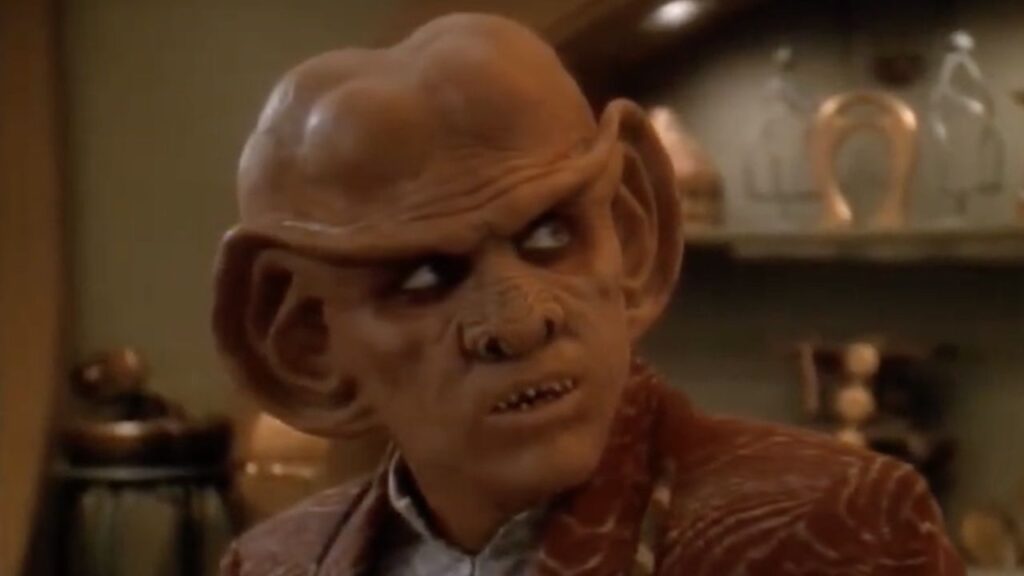 DS9 didn’t satirise Ferengi greed. It satirised the stories people tell themselves to justify it. The Rules of Acquisition still hold up a mirror.
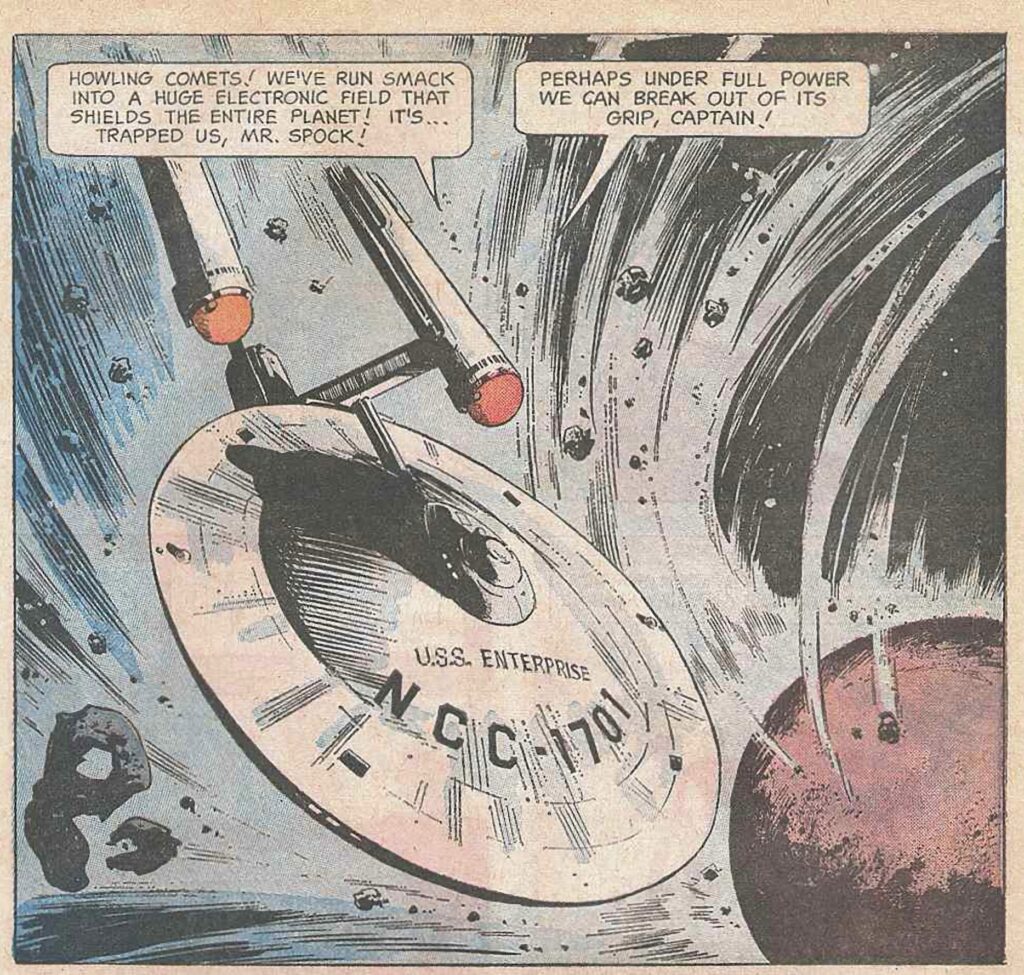 There’s a version of Star Trek that exists slightly to the left of the one you know. The phasers are called lasers. The shirt colours are wrong. Spock occasionally behaves in ways that would make the television Spock raise an eyebrow. Kirk is a straightforward space hero rather than the complicated, contradictory, occasionally reckless man William Shatner was building on screen. Yet despite all that, the stories are recognisably Trek-shaped. Strange worlds. Impossible problems. Civilisations in crisis. The Enterprise arriving somewhere unusual and trying to think its way through a situation that shouldn’t have a solution.
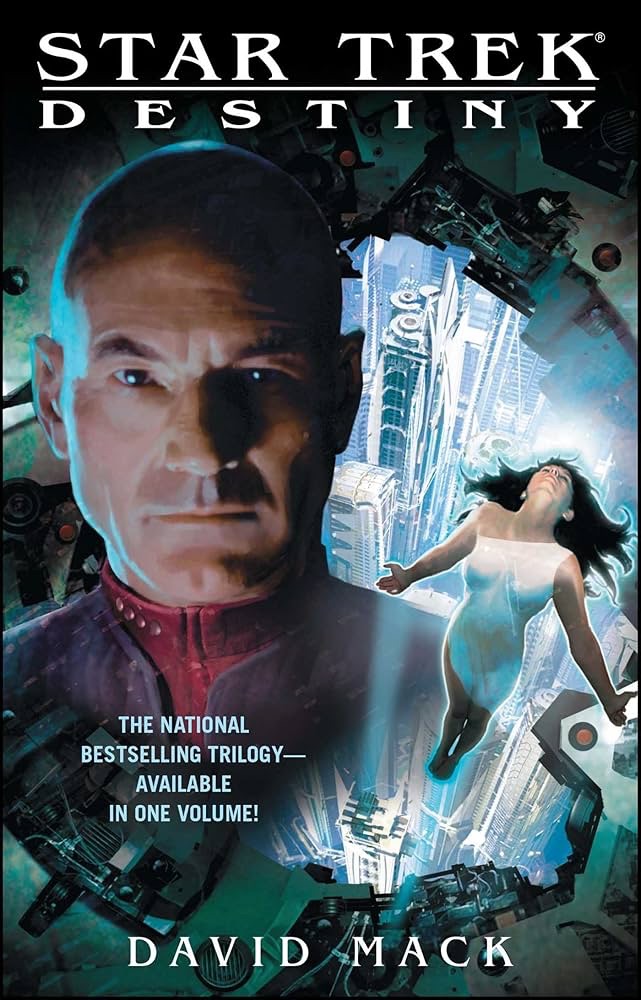 There is a Wikipedia page that attempts to define Star Trek canon. It is, in the way of most Wikipedia pages on contested topics, thorough, carefully footnoted, and ultimately incapable of settling the argument it was written to resolve. The page lists what counts, what doesn’t count, what Gene Roddenberry said, what he later contradicted, and the various positions Paramount has taken over the decades. It will not tell you whether the DS9 relaunch novels matter. It will not tell you whether Destiny counts. These are questions canon cannot answer, because they are not really canon questions.
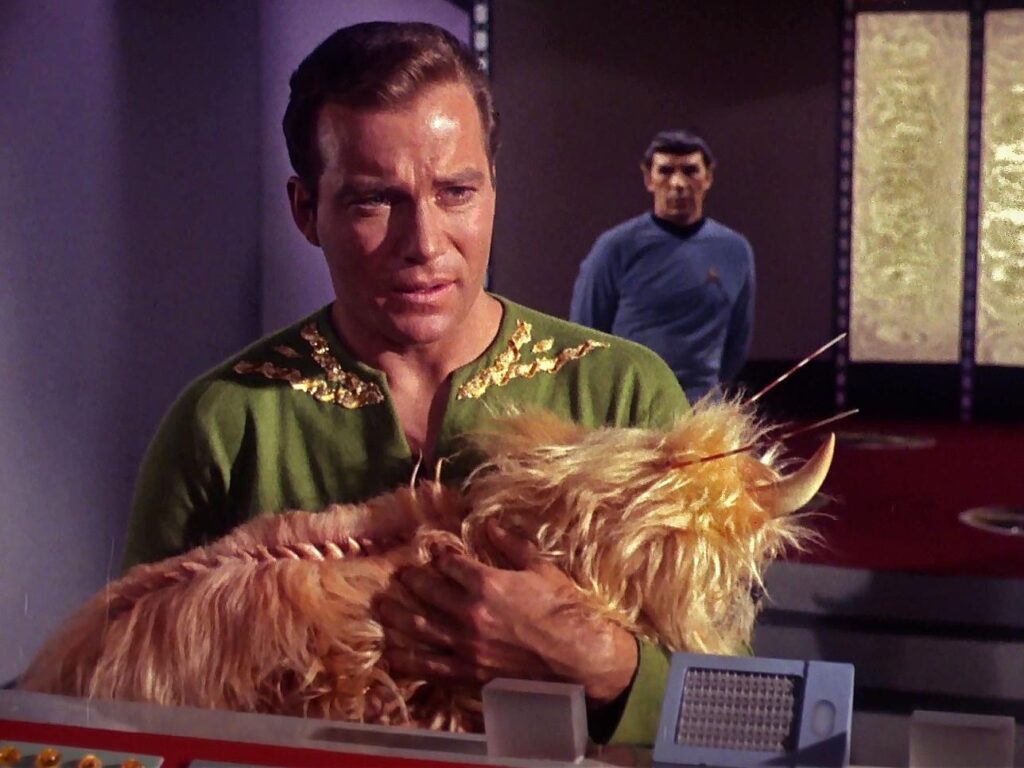 There’s a moment roughly halfway through “The Enemy Within” where good Kirk, gentle, compassionate, and increasingly useless, tries to give an order and physically can’t hold the sentence together. He knows what he wants to say. The words just won’t come with any weight behind them. It’s a small moment, easy to lose in an episode full of bigger ones, but it’s the most honest thing the episode does. The argument isn’t really about good and evil. It’s about what actually holds a command together, and whether the things we’d rather not own about ourselves are, inconveniently, structural.
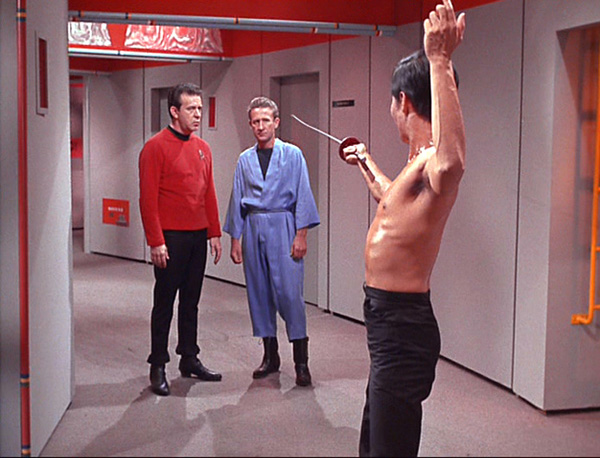 Let’s begin where any honest review of this episode has to begin: with a trained Starfleet officer, suited up in a quarantine environment where everyone on the research team is already dead, calmly removing his glove and scratching his nose with his bare hand.
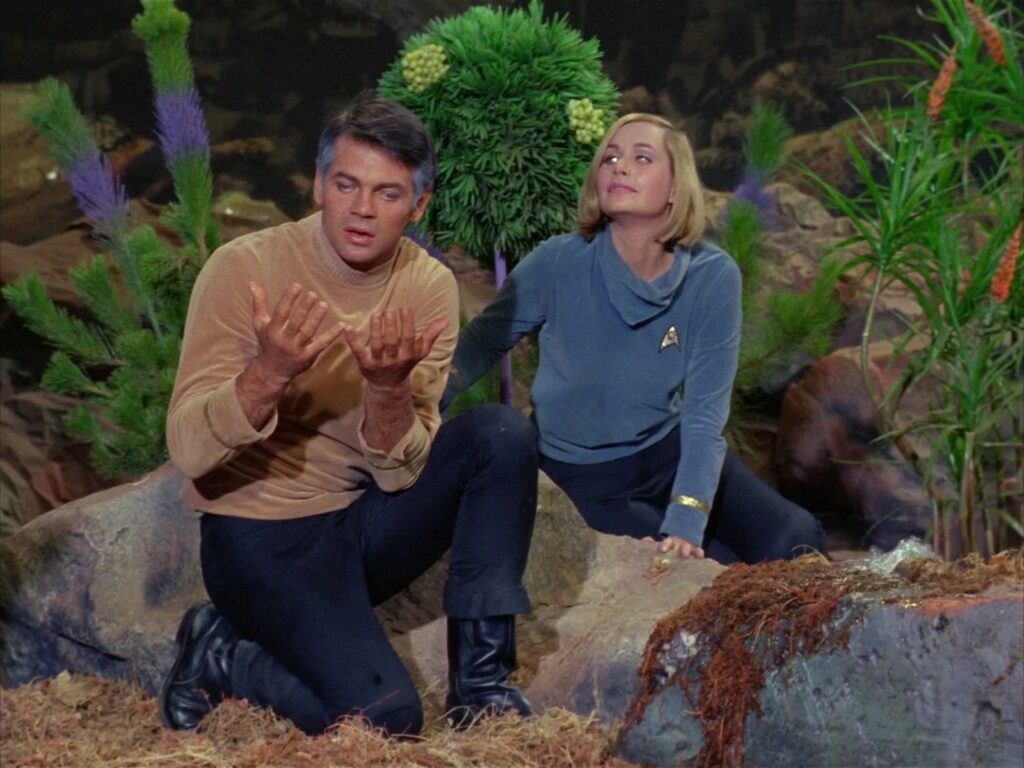 I came to TOS backwards, the way most people my age did. TNG was the Trek I grew up with, the one that was actually on when I was old enough to care. TOS arrived later, in the way things did before streaming made chronology optional, in chunks, on whatever channel was running it that week, in an order that made no particular sense. “Where No Man Has Gone Before” was probably not the first TOS episode I watched, but it might as well have been. It’s the one that made me understand what the show actually was, as distinct from the show I already knew. The two things are related but they are not the same thing, and this episode is where you feel the difference most clearly.
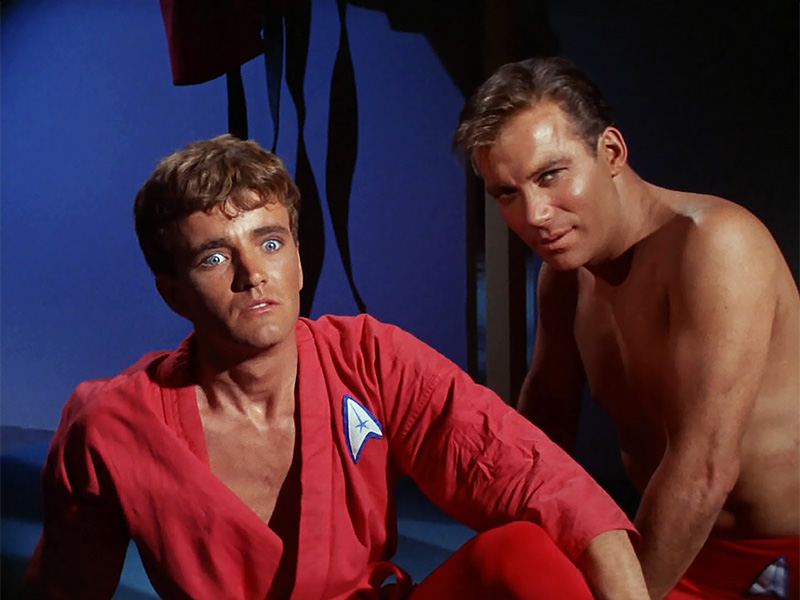 The premise of “Charlie X” sounds like something you’d find stapled to a bus stop in 1966. Lonely teenager. Godlike powers. Spaceship full of people he makes uncomfortable. On paper it’s disposable, the kind of high-concept Twilight Zone material that could collapse under its own gimmick in twenty minutes. What Dorothy C. Fontana does instead, in her first Trek teleplay credit, working from a story by Gene Roddenberry, is turn it into something quietly unsettling.
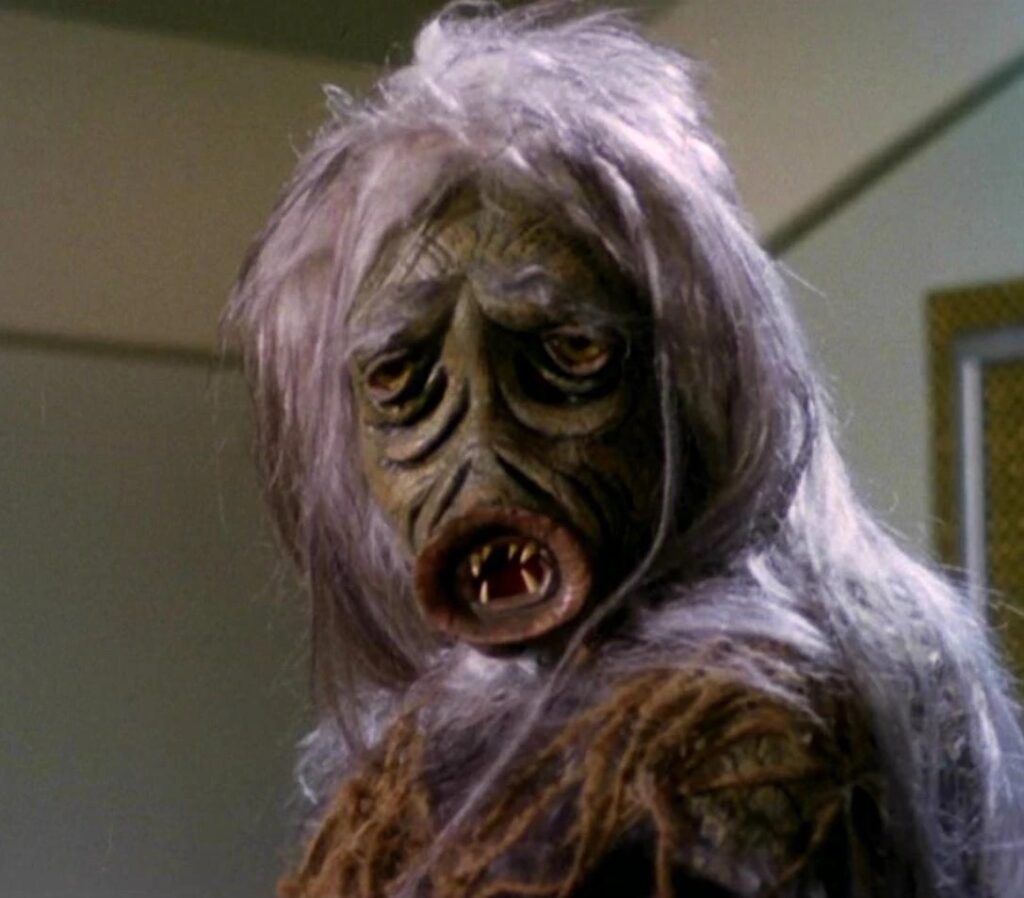 There is a specific kind of irony in the fact that Star Trek, a franchise built on the idea that humanity could sort itself out and reach for something better, began its broadcast life by killing the last member of a species and then moving on to the next episode. That’s not a criticism. Or rather, it isn’t only a criticism. It’s the most interesting thing about The Man Trap, an episode that is simultaneously the wrong introduction to Star Trek and, in its final thirty seconds, one of the most honest expressions of what Star Trek was trying to be.
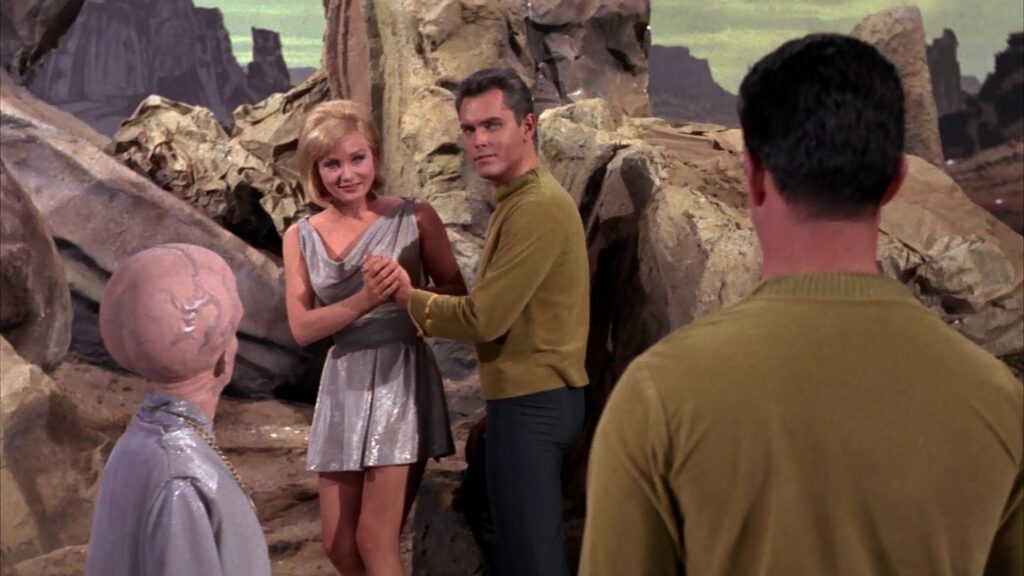 “Too cerebral” was the phrase NBC used when they sent it back. As criticisms go, it has aged badly for them. Desilu delivered a science fiction pilot in 1965 that was slower, stranger, and more introspective than the network knew what to do with. They wanted something else. What came back was Star Trek as most people know it: Kirk, action, adventure, and the formula that would carry the franchise for decades. The original pilot went into a vault. Most people never saw it.
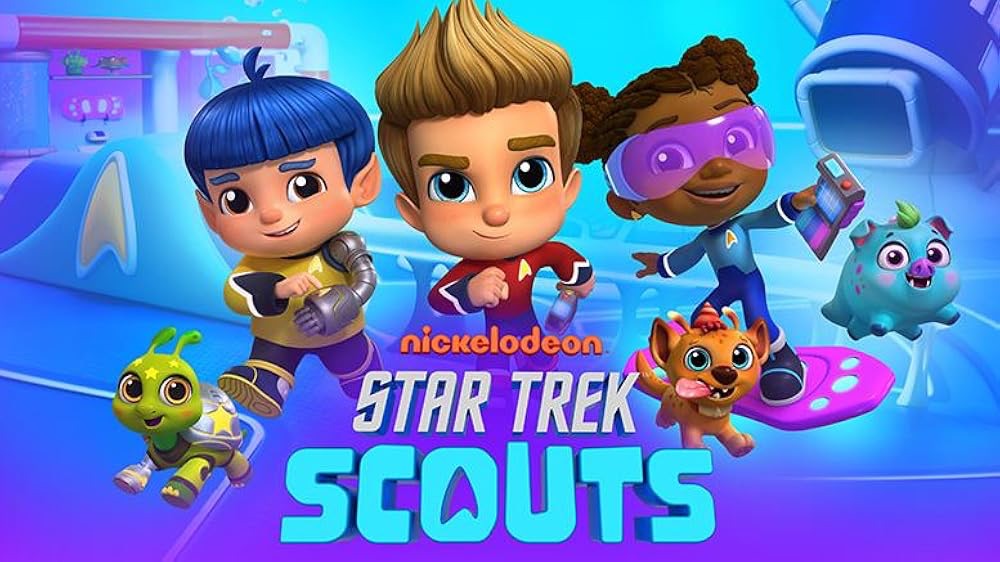 My middle child discovered Star Trek: Scoutsthrough the Blaze and the Monster Machines YouTube channel. That sentence contains a small amount of absurdity if you have been watching Trek since the eighties, and a larger truth if you are willing to sit with it for a moment. Scouts is the franchise’s first preschool series. Three eight-year-olds named JR, Sprocket, and Roo learning to become future Starfleet explorers in three-minute episodes, produced by Nickelodeon Digital Studio with CBS Studios. The first two episodes arrived not on the main Star Trek channel or a streaming platform, but through Nickelodeon’s Blaze and the Monster Machines…
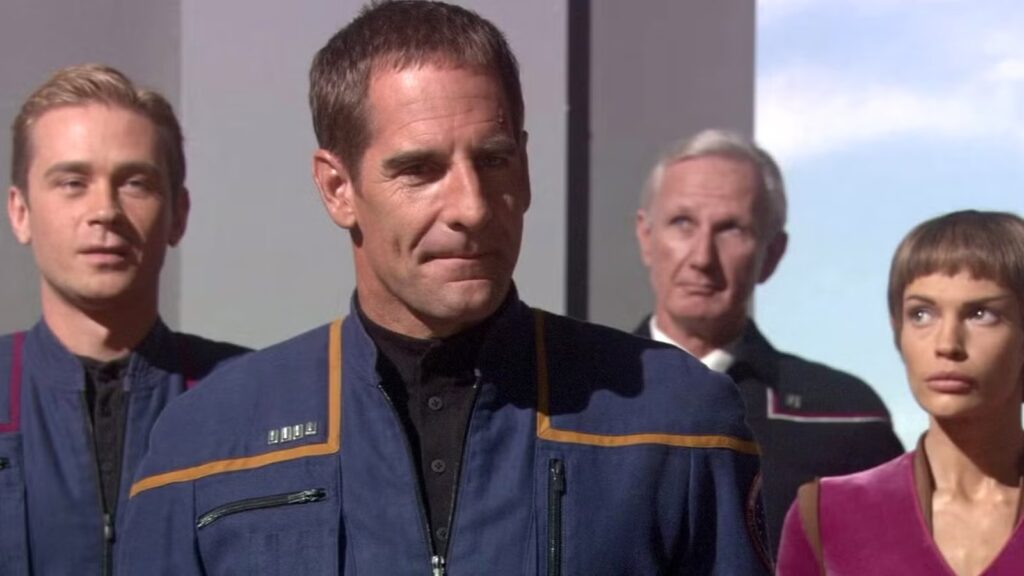 Scott Bakula had already earned my loyalty before he ever set foot on the NX-01. I came to Enterprise as a Quantum Leap fan first, which meant I arrived with more goodwill toward the lead than a lot of viewers bothered to bring. That probably helped. Enterprise had a rough reception when it aired, and Archer took a lot of the blame for things that weren’t really his fault. Two decades on from the finale, I think the case for Jonathan Archer deserves to be made properly.
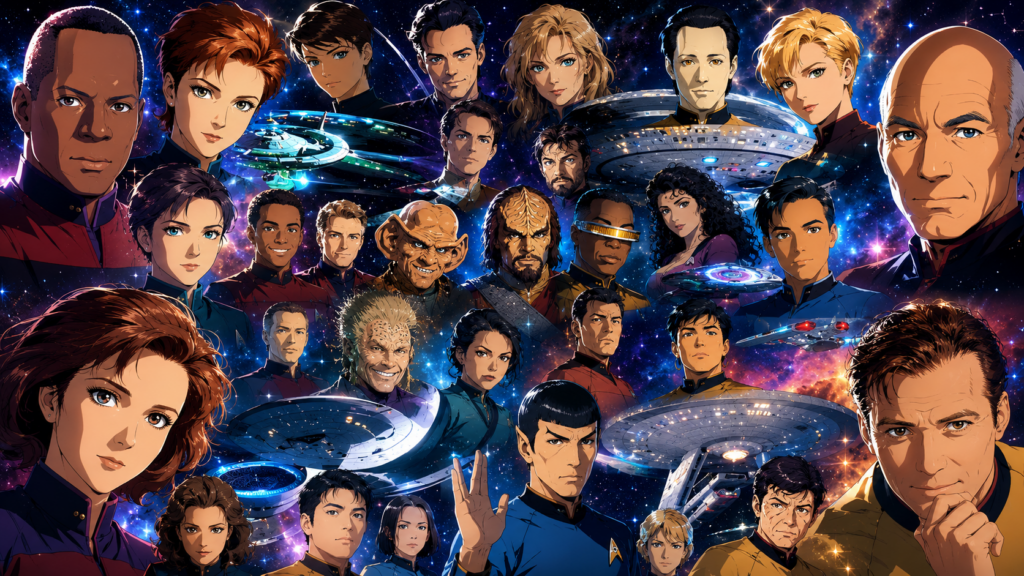 Star Trek has run for sixty years. Here’s why it still matters more than Star Wars or Doctor Who — and what makes it genuinely different.