-
-
-
-
-
The Constitution-Class: The Ship That Bet Everything on Exploration
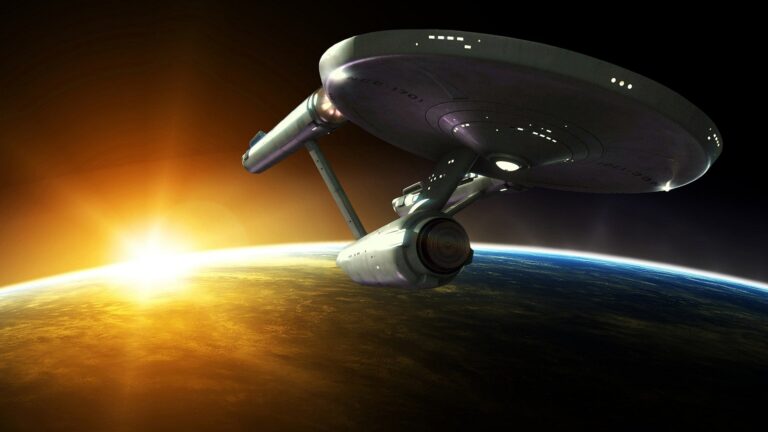
Show someone who has never seen a minute of Star Trek a picture of the original Enterprise, and they will still know what they are looking at. A ship. Something built to go a long way from home. The wide saucer, the slim neck slung beneath it, the two engines held out on struts well clear of the body. That outline has been printed on lunchboxes, flown on parade floats, and rebooted on cinema screens for the better part of sixty years, and it is still the first thing a great many people picture when someone says the words science fiction.
-
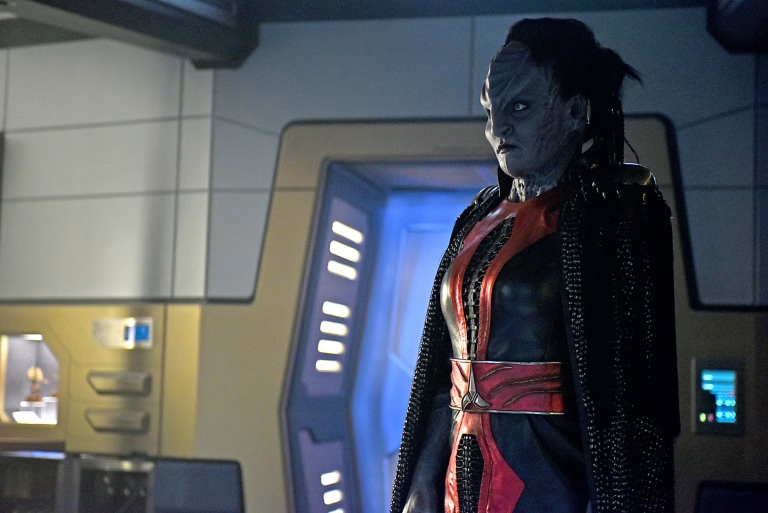
The Klingons: A Code, or a Costume? (Race Spotlight)
A man stands in the Great Hall on Qo’noS, accused of a treason his father never committed, and the most powerful Klingon in the room knows he is innocent.
Chancellor K’mpec has the truth in front of him. The defence codes that allowed the Romulans to destroy Khitomer, four thousand dead in a single night, were not transmitted by Worf’s father Mogh. They were sent by Ja’rod, father of Duras, whose house carries too much weight on the Council to be touched without splitting the Empire. So the Council does the arithmetic and lets an innocent name carry the guilt. K’mpec asks Worf to swallow it, to accept discommendation and a lifetime of public shame, so that the Empire does not crack along the fault line the truth would open. And Worf does. He turns, and a hall full of warriors crosses their wrists and turns their backs on him, one by one, for a crime that did not happen.
That is the most honour-obsessed culture in Star Trek, transacting in a lie, in the one building where honour is supposed to mean something. Remember that image. Everything else here pulls against it.
-
Spock: A Bridge Between Two Worlds (Character Spotlight)
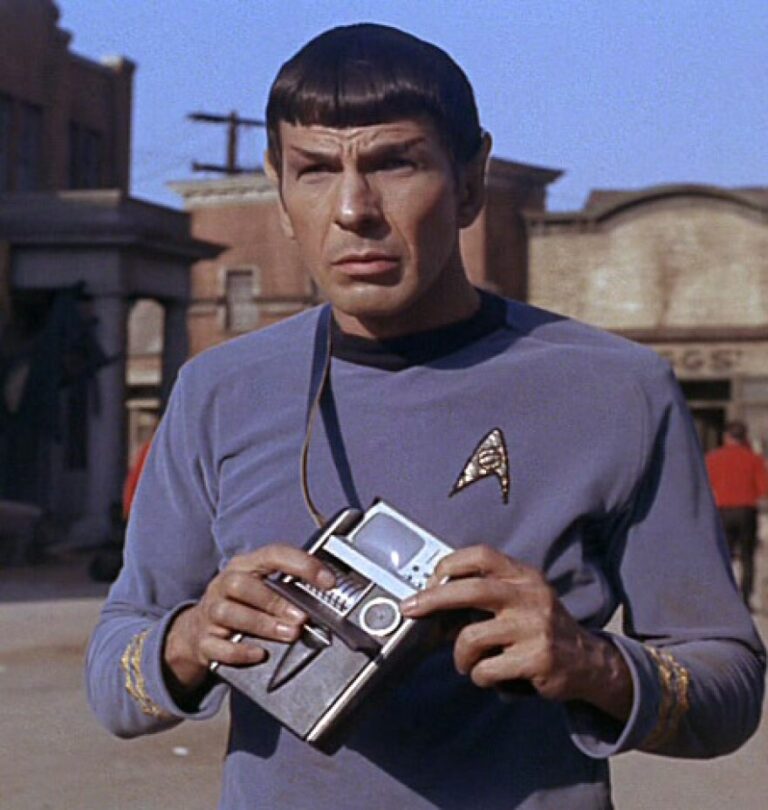
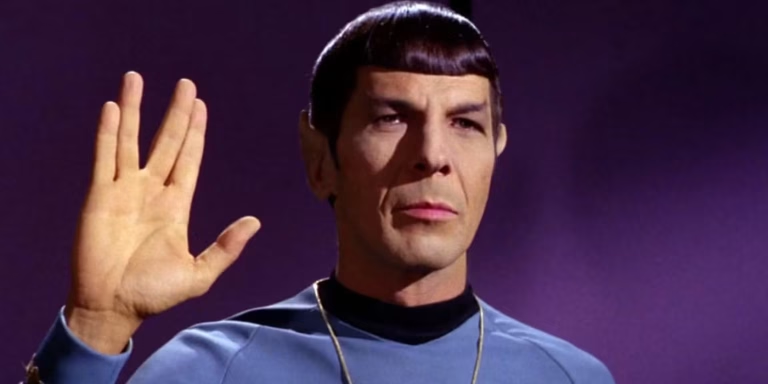
A bridge belongs to neither shore. Its purpose is to connect two places without ever becoming either of them. No character in Star Trek embodies that better than Spock.
Look at the moment in “Amok Time” when he turns and sees Kirk alive. Seconds earlier he believed he had killed his captain with his own hands, in ritual combat, on the soil of his homeworld. Then Kirk walks back into the room, and the most disciplined officer in Starfleet breaks into a grin and shouts his name before he can stop himself. “Jim!” Then comes the recovery, the face reassembling itself. The grin is the man. The recovery is the officer he has trained himself to be.
-
What Makes Star Trek, Star Trek?
Try a thought experiment in two directions. Take everything people point at when they call something Star Trek: the Enterprise, the uniforms, the phasers, the Vulcans, even the Federation itself. Strip all of it out. Could a story still feel unmistakably like Trek with none of that in frame? Now run it the other way. Keep every ship, every delta, every familiar alien, and remove only the ideas underneath them. Would that still be Trek, or just cosplay with a budget? Hold both questions at once, because the gap between them is where the answer lives.
-
I Read the First Seven Chapters of Star Trek: Stargazers and It Just Didn’t Work for Me (Bleak Reading)
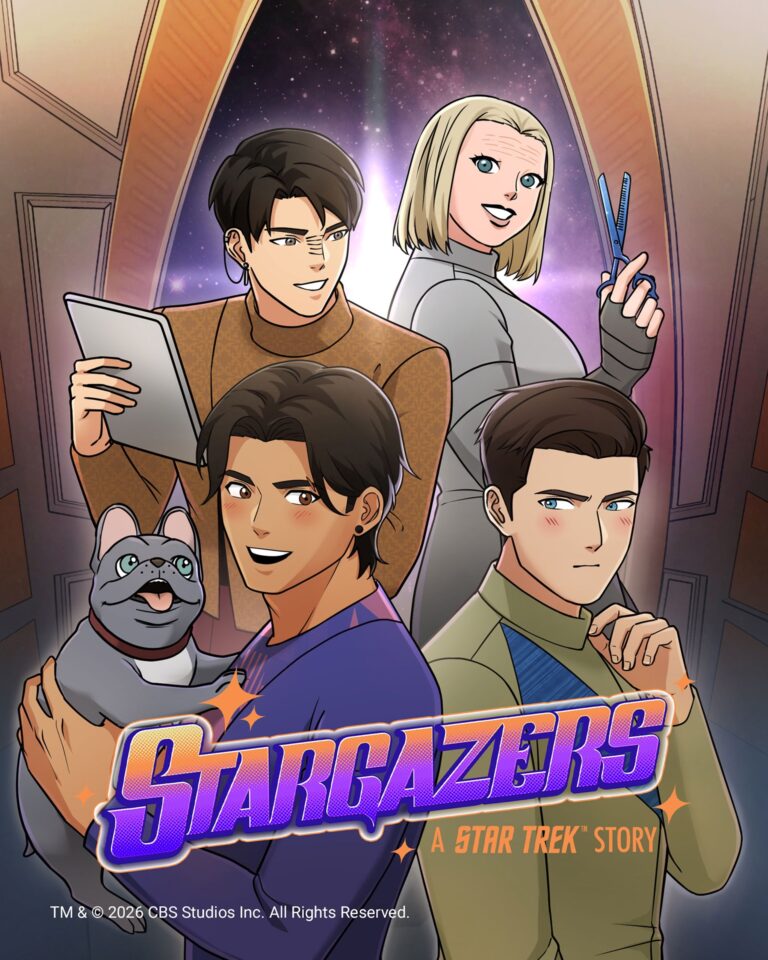
Seven chapters into Star Trek: Stargazers, Leon, the lead, looks up from a fantasy novel his class is dissecting and connects the book’s tyrant to the Borg. Assimilation, he says, is just the annihilation of the self. It is a real Trek thought, the kind the franchise has built entire stories on, and for a second I sat up. Then the class went back to deciding which of the novel’s elves are secretly Vulcans, the moment closed, and it struck me that one line was the most Star Trek the comic had managed in seven chapters.
-
The Gorn: People or Monster’s? (Race Spotlight)
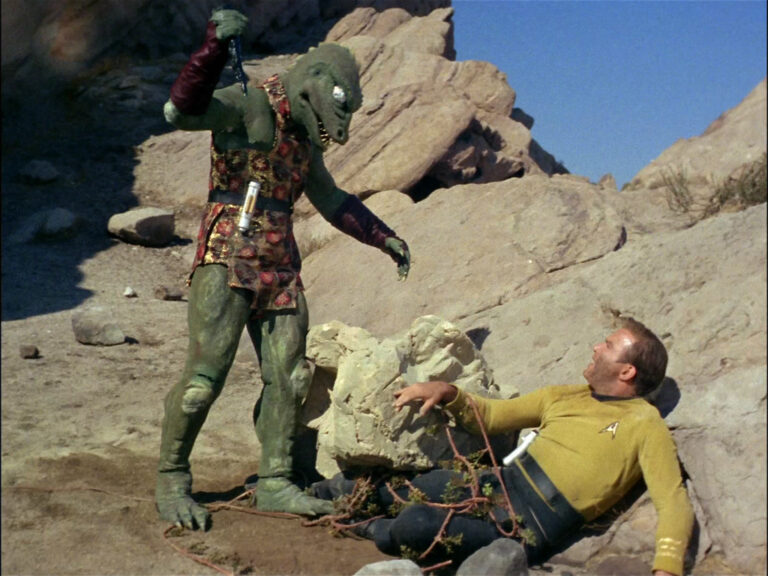
Kirk has the thing beaten. He has spent the back half of “Arena” turning a barren rock and a handful of raw minerals into a working cannon, sulphur and charcoal and a few rough diamonds packed into a length of bamboo, and now the Gorn captain is down in front of him, wounded and waiting for the killing blow. The Metrons have all but invited it. And Kirk lowers the weapon.