Star Trek: TOS — The Cage The Show That Almost Wasn’t (Pilot)
“Too cerebral” was the phrase NBC used when they sent it back. As criticisms go, it has aged badly for them.
Desilu delivered a science fiction pilot in 1965 that was slower, stranger, and more introspective than the network knew what to do with. They wanted something else. What came back was Star Trek as most people know it: Kirk, action, adventure, and the formula that would carry the franchise for decades. The original pilot went into a vault. Most people never saw it.
I came to The Cage late, honestly. I knew it existed, watched it in the mid-90s, but never really took in the importance of it at the time. I didn’t sit down and properly reckon with it until Strange New Worlds had already made me care about Pike in a way I hadn’t expected to, and that context changes the experience significantly. Watching The Cage in 2026 after three seasons of Strange New Worlds is a very different thing from watching it cold when it finally escaped the vault in 1988. That’s worth acknowledging upfront.
Jeffrey Hunter’s Pike is the first thing that really lands. He’s not Kirk with the serial numbers filed off. He’s exhausted before the episode has properly started, carrying survivor’s guilt from a previous mission and openly questioning whether he wants to stay in command at all. His mother wants him to come home. You get the impression part of him thinks she has a point. And even as a straight married man in my late forties I don’t mind telling you what a good looking human being he was. Kirk was a sex symbol, but Hunter had proper movie star looks.
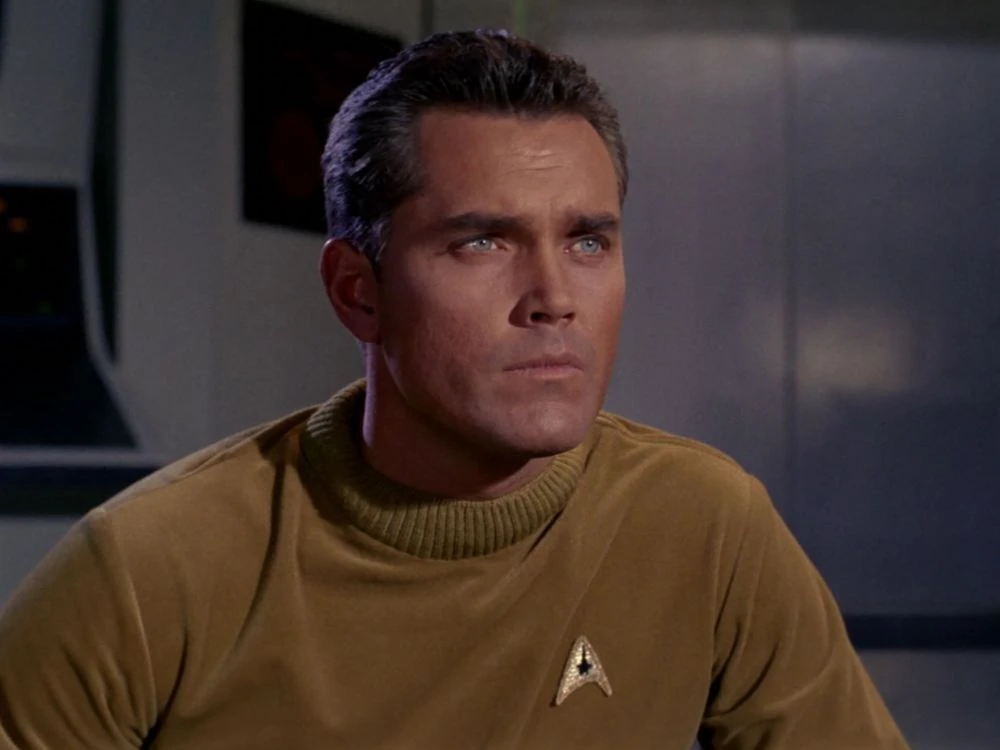
Modern Trek reframed Pike as the franchise’s great optimist, and there’s truth in that reading, but The Cage presents something more complicated. He feels closer to a Deep Space Nine-era lead than anything The Original Series eventually produced. Thoughtful, bruised, carrying the weight of command in a way sixties television heroes simply weren’t allowed to be. The franchise spent decades producing captains who had all the answers. This one isn’t sure he wants the job.
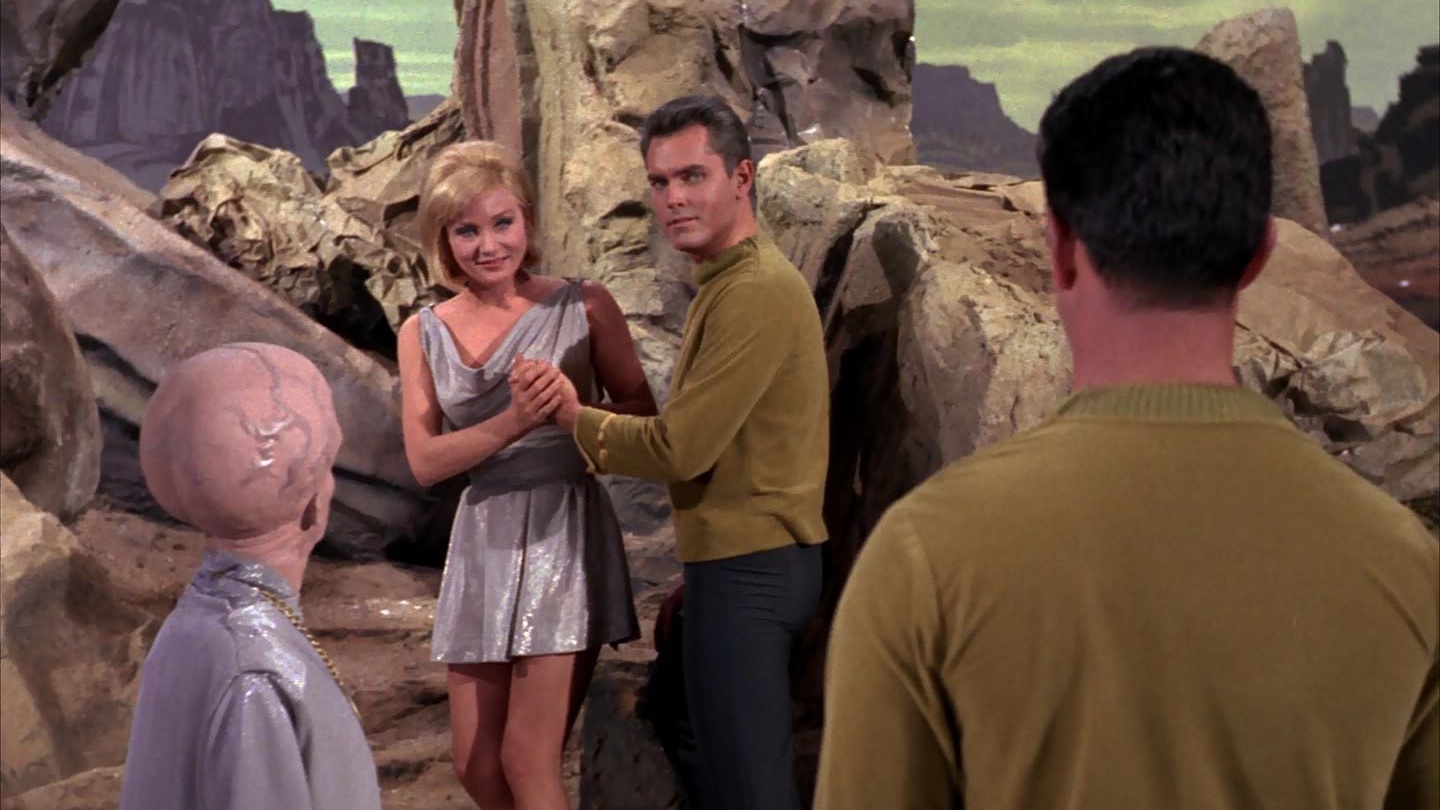
Talos IV helps enormously. The episode has atmosphere in a way classic Trek rarely managed again. The Talosians are unsettling precisely because they aren’t villains in any straightforward sense. They’re a civilisation that retreated into illusion so completely that reality became unbearable. What they do to Pike is an invasion, and the episode knows it, but it never asks you to hate them. Just to understand how something intelligent and curious ended up somewhere so wrong. Trek would spend the next sixty years returning to that exact kind of moral ambiguity whenever it was doing its best work.
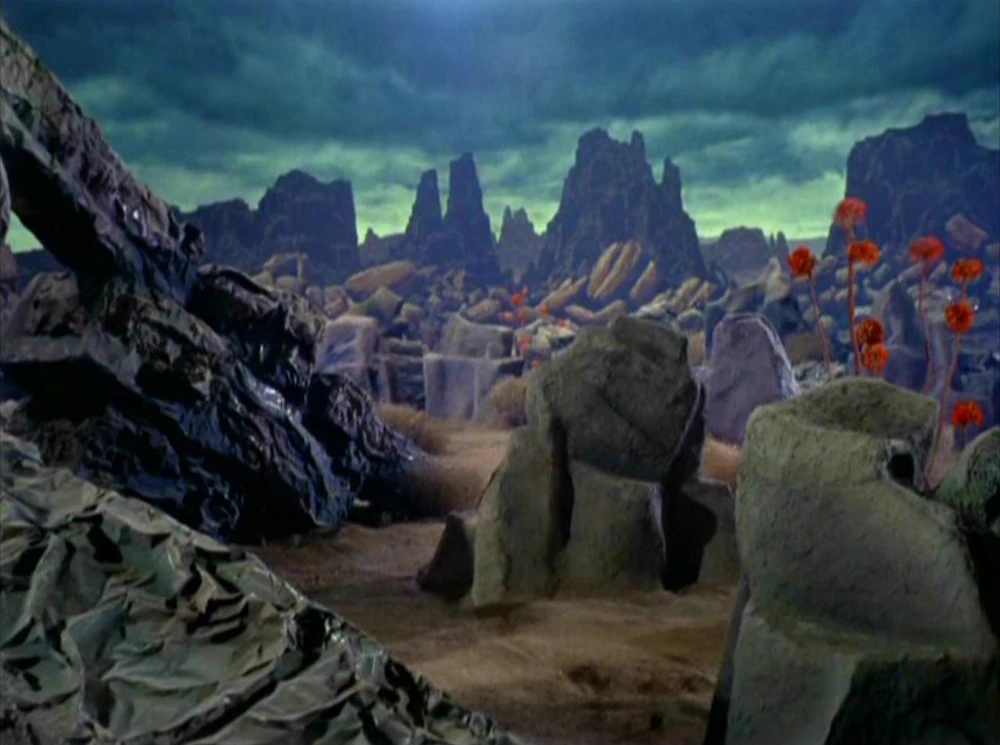
The line that stays with you comes at the end. Pike can’t bring Vina back with him. The Talosians offer her the illusion of health and company instead.
“She has an illusion, and you have reality.”
That might be the entire franchise in one sentence. Star Trek has always argued that reality matters more than comfort, more than the easier version of life that asks nothing of you. The Cage says it plainly, right at the start, before the show had even found its footing.
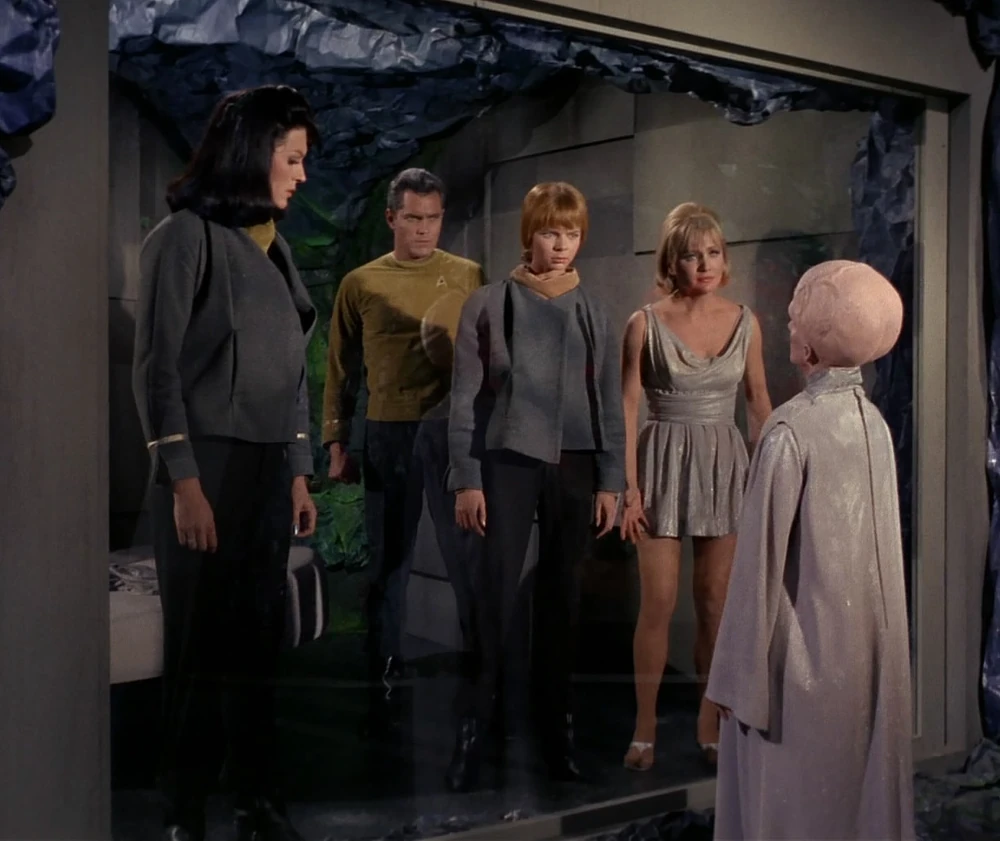
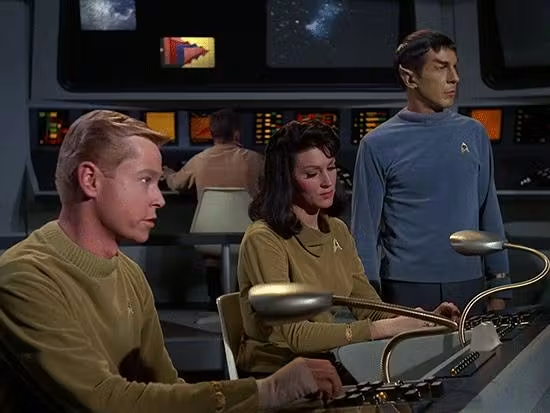
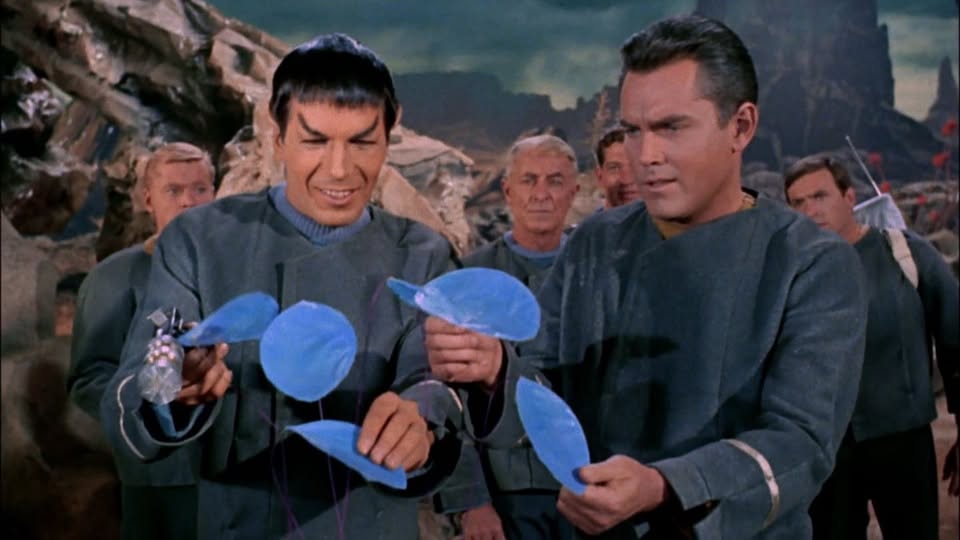
Spock is here too, although not quite the Spock anyone remembers. He smiles. He’s more openly reactive than the version who became iconic. The emotional restraint that later defined Vulcan identity in the franchise actually belongs to someone else here: Majel Barrett’s Number One, the calmest and most capable person on the ship. The pilot’s “too cerebral” reputation tends to obscure the less flattering reality that NBC also objected to things the show was quietly progressive about.
The gender writing inside the episode is a genuine problem. Pike’s line about women not handling command pressure sits there and doesn’t improve with time. Number One’s presence complicates the reading, but it doesn’t fix it. The tragedy of Vina still lands, and the final reveal still reframes everything that came before it, but some of the surrounding material requires patience and honest acknowledgement rather than the usual “different times” shrug.
The pacing will test people. Scenes linger. Nothing escalates on demand. This is the polar opposite of what the TikTok generation is conditioned to expect, but if you’ve made peace with The Motion Picture you’ll be absolutely fine. If you haven’t, sixty-four minutes may feel longer than it should. The episode is not interested in your attention span and makes no apologies for that.
What makes The Cage genuinely fascinating is that the franchise never let it go. The Original Series eventually folded most of the pilot footage into The Menagerie, pulling Pike’s abandoned story into canon in an episode that is brilliant in its own right, and which nobody at the time could have imagined would shape the Trek universe the way it did. Strange New Worlds finished the job sixty years later. Whether any of that was planned or whether generations of writers simply assembled meaning out of spare parts almost doesn’t matter. The thread holds, and it all started here with a pilot a network buried because it asked too much of its audience.
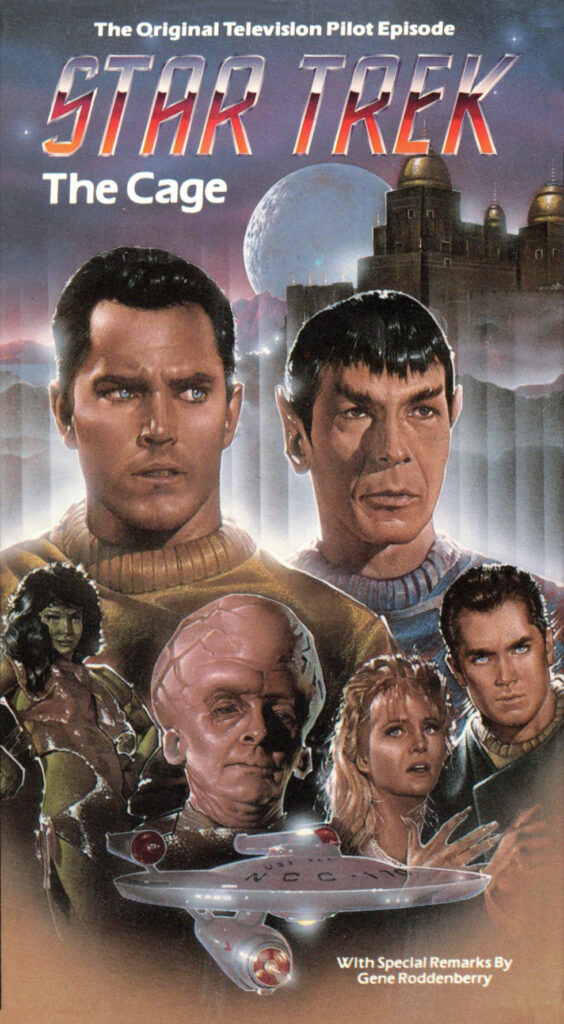
The Cage is Star Trek before Star Trek understood what it was going to become. Before canon hardened. Before nostalgia set in. Before anyone knew which bits to keep. It’s quieter and stranger and far more interested in psychology than adventure, and it contains the one question the whole franchise kept returning to across every series and every era: what do you actually owe reality when illusion is so much more comfortable?
NBC called it too cerebral.
Watching it now, that mostly sounds like a recommendation.
8/10