Star Trek: Gold Key Archives Volume 1
There’s a version of Star Trek that exists slightly to the left of the one you know.
The phasers are called lasers. The shirt colours are wrong. Spock occasionally behaves in ways that would make the television Spock raise an eyebrow. Kirk is a straightforward space hero rather than the complicated, contradictory, occasionally reckless man William Shatner was building on screen. Yet despite all that, the stories are recognisably Trek-shaped. Strange worlds. Impossible problems. Civilisations in crisis. The Enterprise arriving somewhere unusual and trying to think its way through a situation that shouldn’t have a solution.
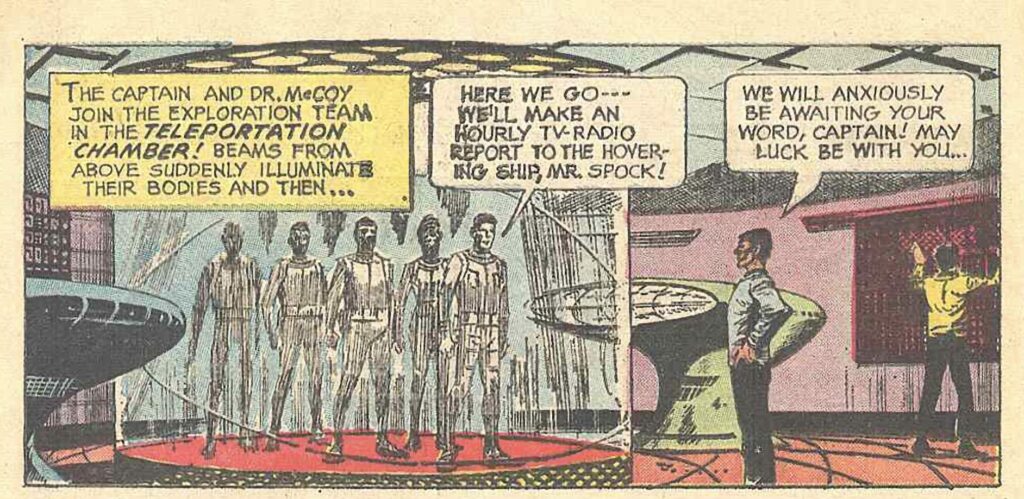
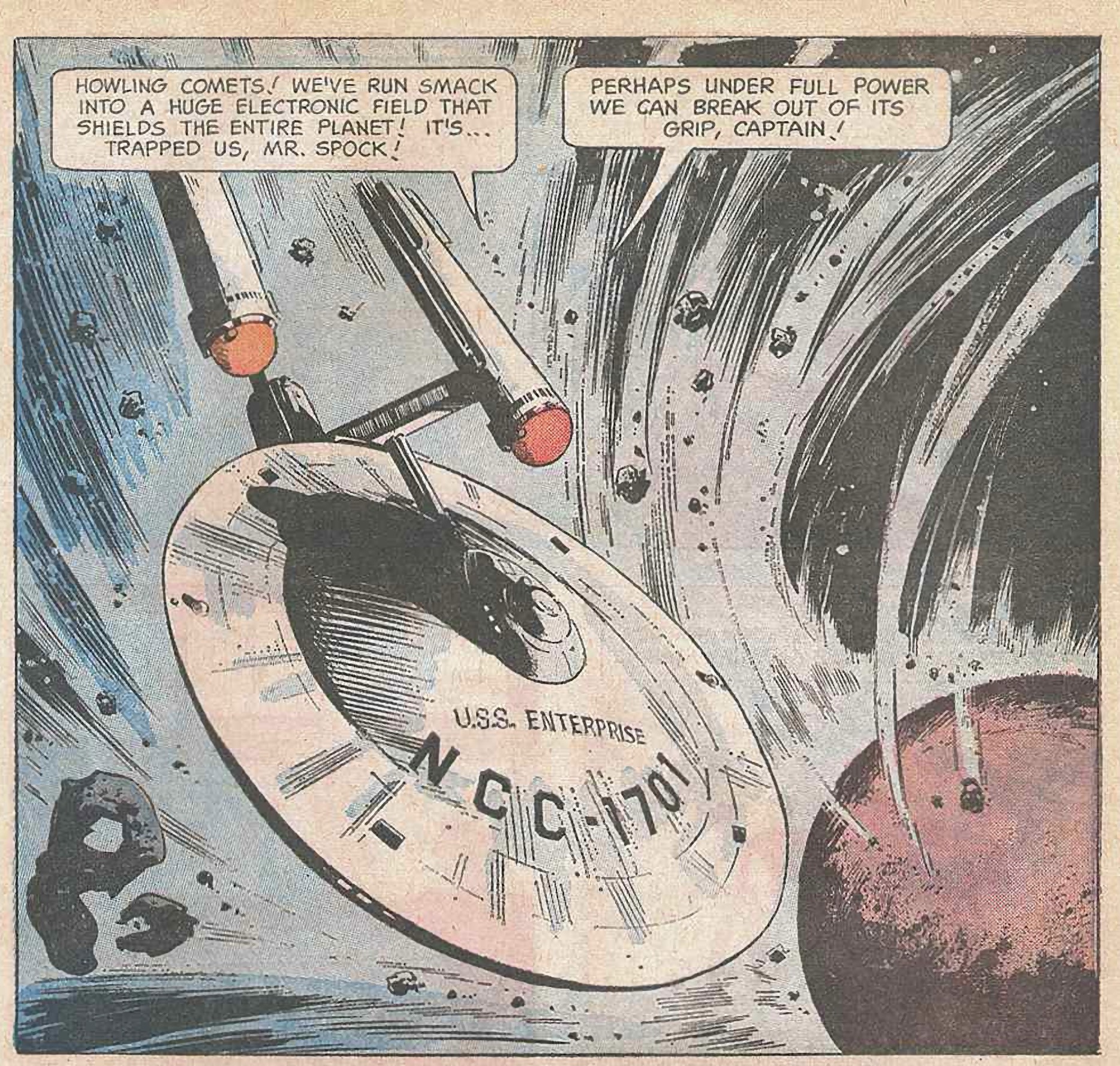
The Gold Key Star Trek comics began in 1967 while the television series was still airing. Only six issues appeared during The Original Series‘s original network run, but the series would continue until 1979. Writer Dick Wood and artists Nevio Zaccara and Alberto Giolitti were working with limited reference material and only a loose understanding of the show. The result is a kind of parallel-universe Trek. The details are often wrong, but the overall shape is surprisingly familiar.
That’s the most interesting thing about this collection.
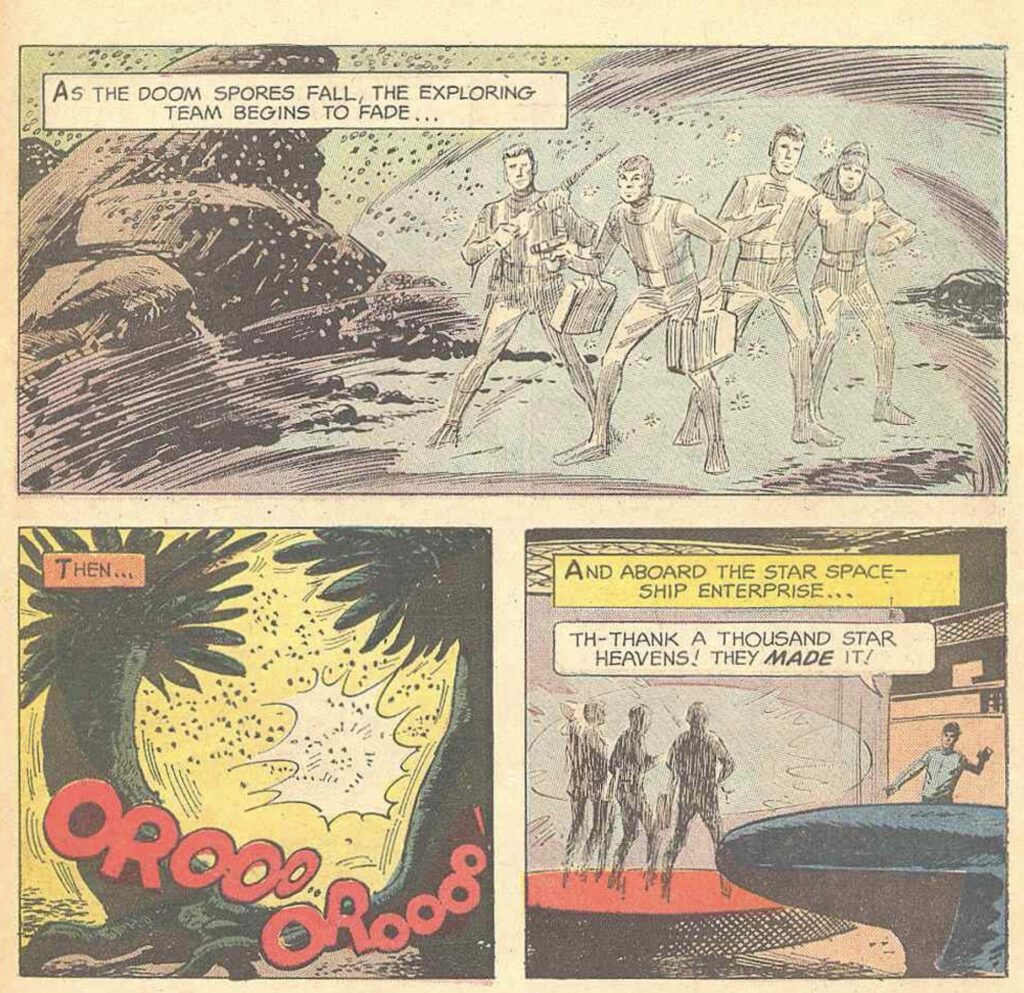
Not because the comics aren’t entertaining, but because they capture Star Trek while Star Trek itself was still taking shape. The television series was evolving in real time. Character relationships were still settling. The rules of the universe weren’t fully established. The moral and philosophical framework people now associate with The Original Series was still developing. Gold Key was building its own version of Trek from incomplete information and occasionally arriving at remarkably similar conclusions.
As a historical document, it’s fascinating.
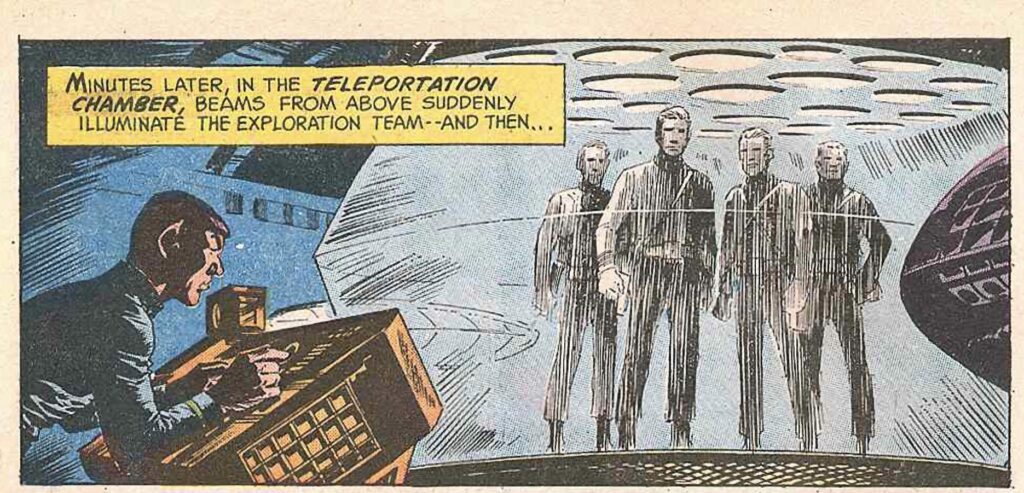
The artwork improves considerably once Alberto Giolitti takes over. His pages have a weight and atmosphere that suit science fiction adventure. Nothing feels rushed. Nothing feels flashy. He understands visual storytelling and guides the eye naturally through each page. The photo-collage covers deserve special mention too. They gave the comics a sense of authenticity that many licensed books of the period lacked.
The stories lean heavily into big science-fiction concepts, which is exactly the right instinct.
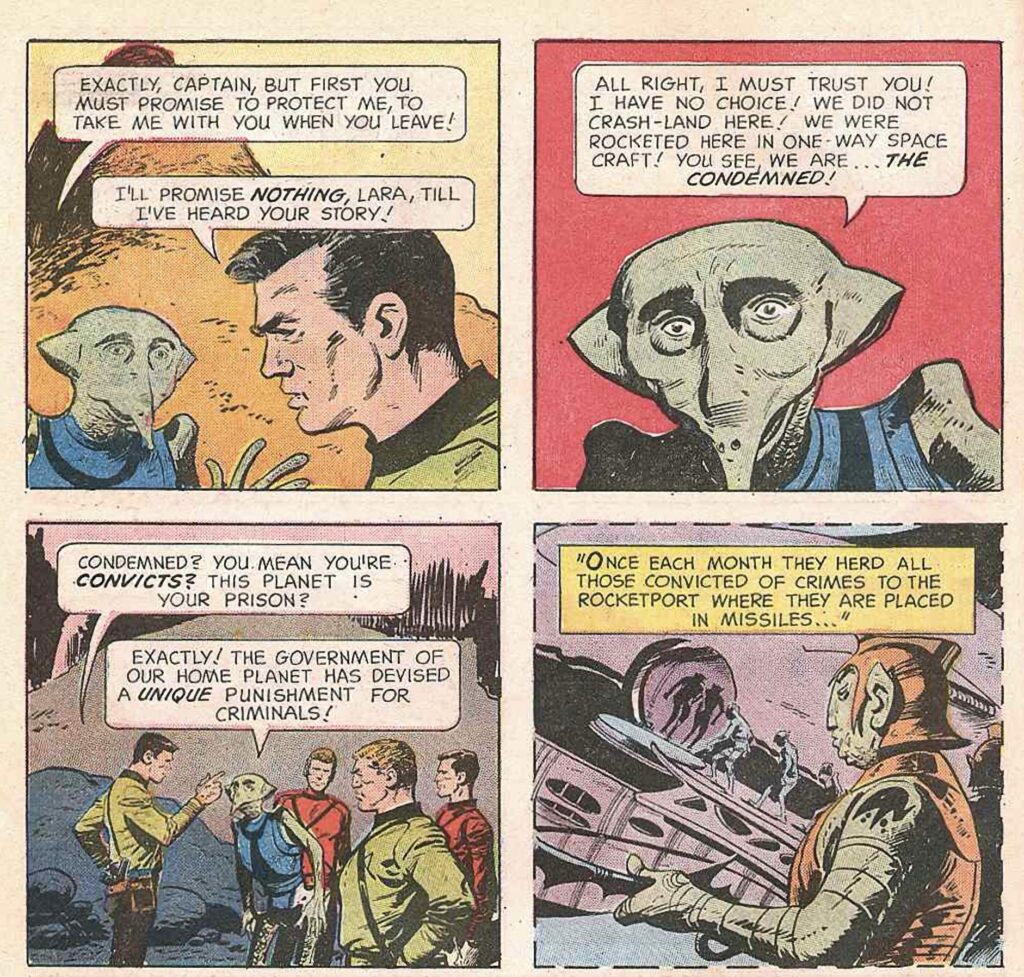
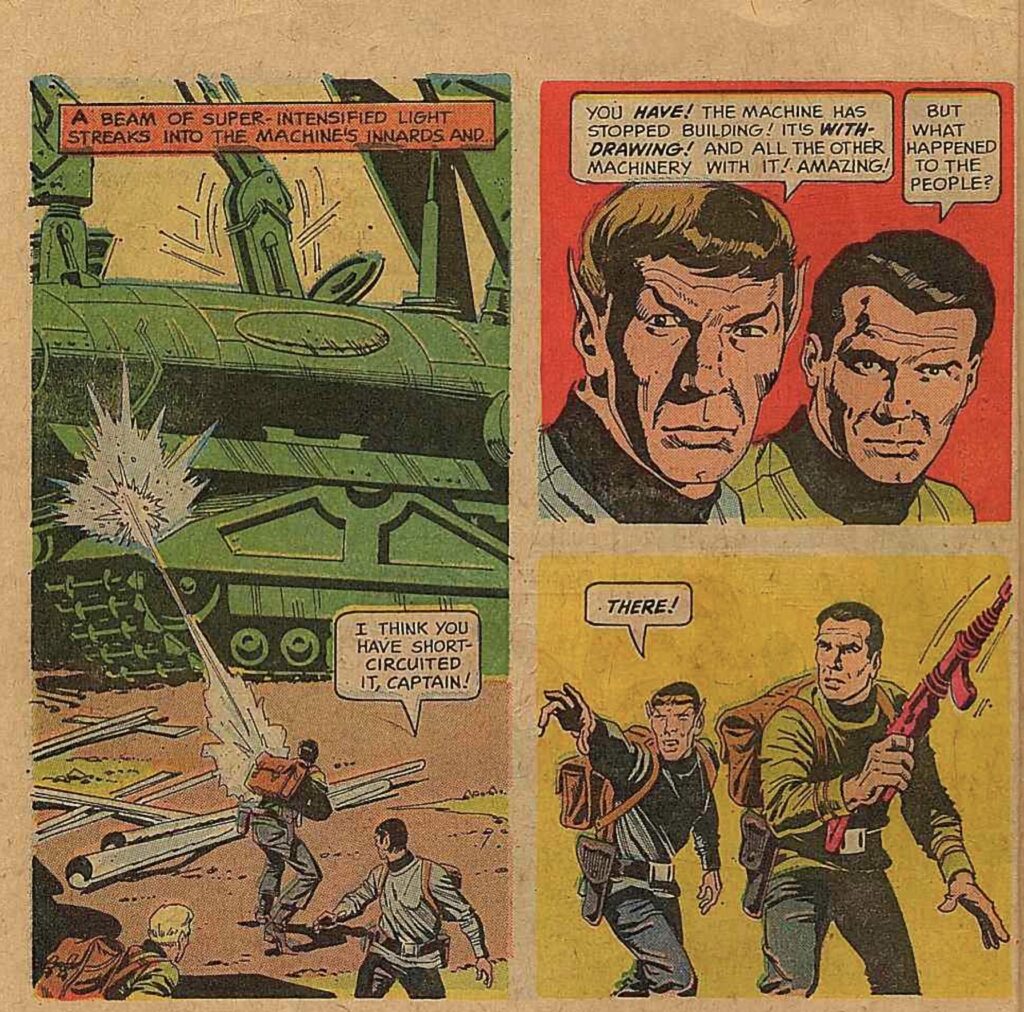
There are rogue city-building machines pushing a civilisation towards extinction. Living vegetation that infects and transforms organic life. Prison asteroids. Energy beings possessing Spock. Two inhabited planets on a collision course. These are the kinds of ideas that powered The Original Series at its best. Wood may not have fully understood the characters, but he clearly understood that Star Trek worked best when ordinary solutions stopped working.
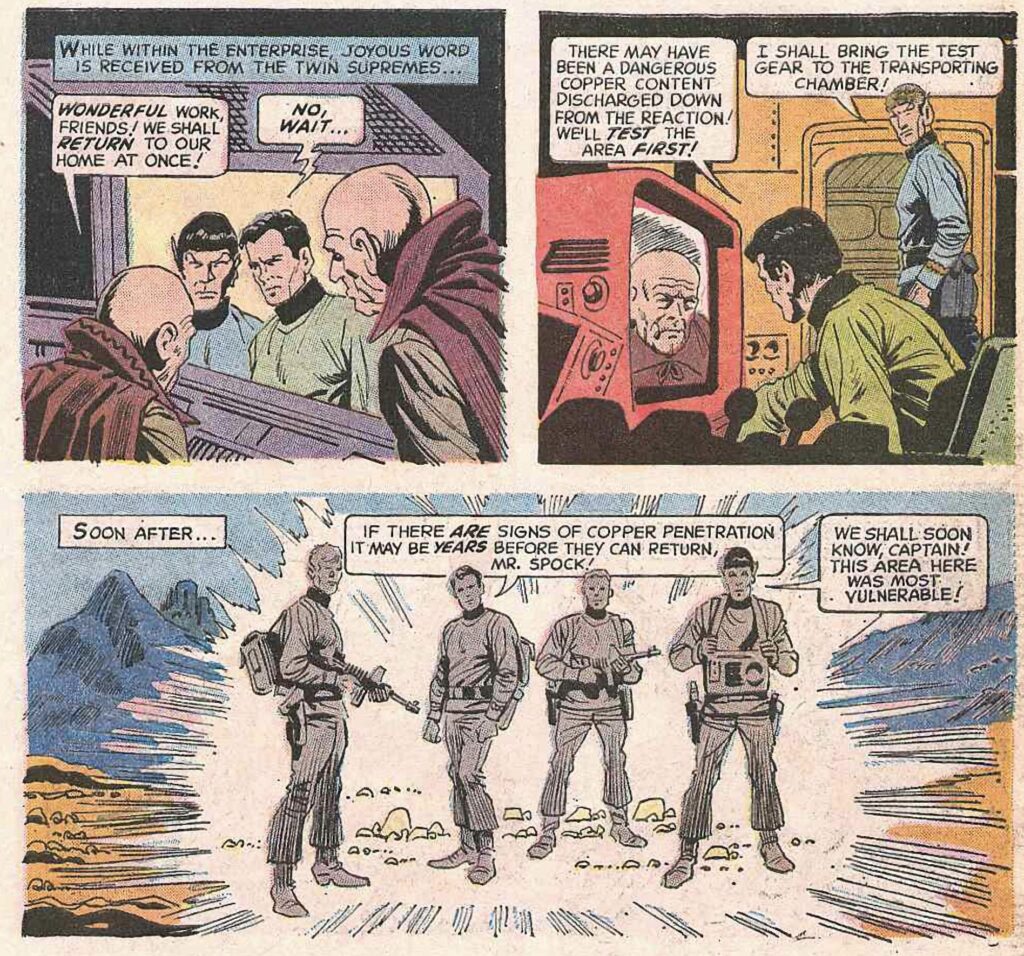
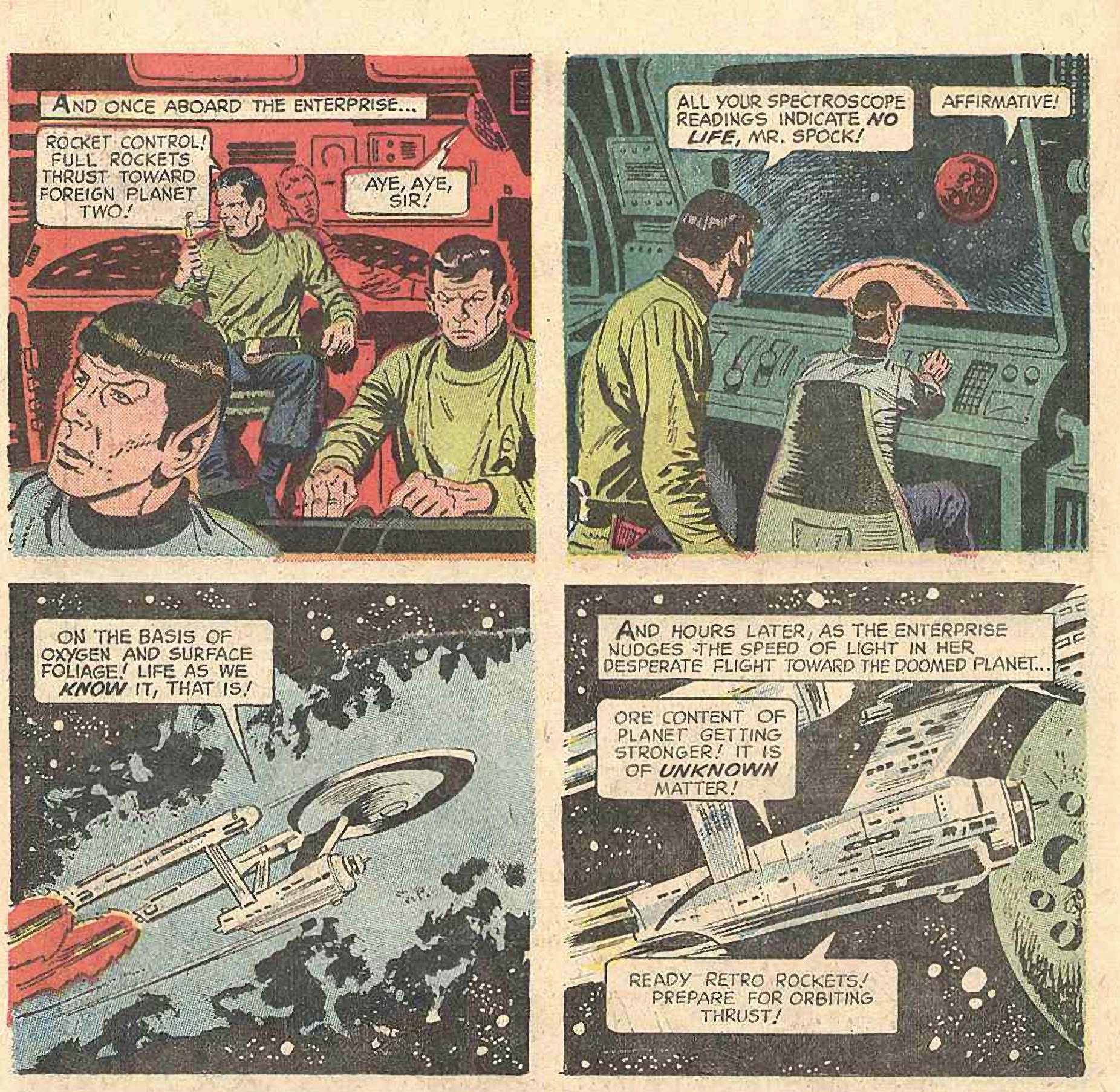
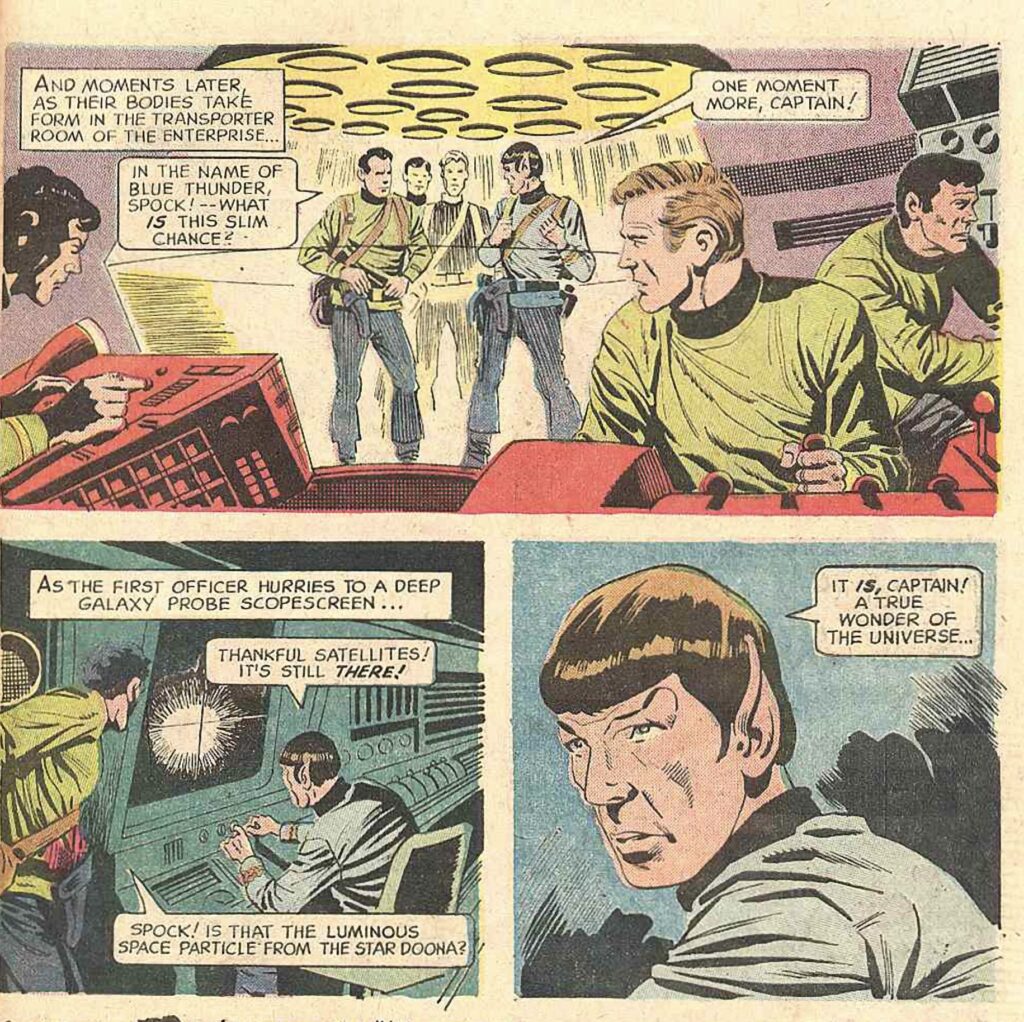
The standout story for me is “When Planets Collide”.
There’s no villain. No monster. No battle. Just a seemingly impossible problem and a ticking clock. Two inhabited worlds are heading towards mutual destruction and neither population wants to abandon its home. That’s pure Trek. It’s the same tradition that gave us episodes like “The Corbomite Maneuver”. The challenge isn’t winning a fight. It’s finding a solution nobody else can see.
When Gold Key operates in that mode, it genuinely feels like Star Trek.
The biggest weakness is the characters.
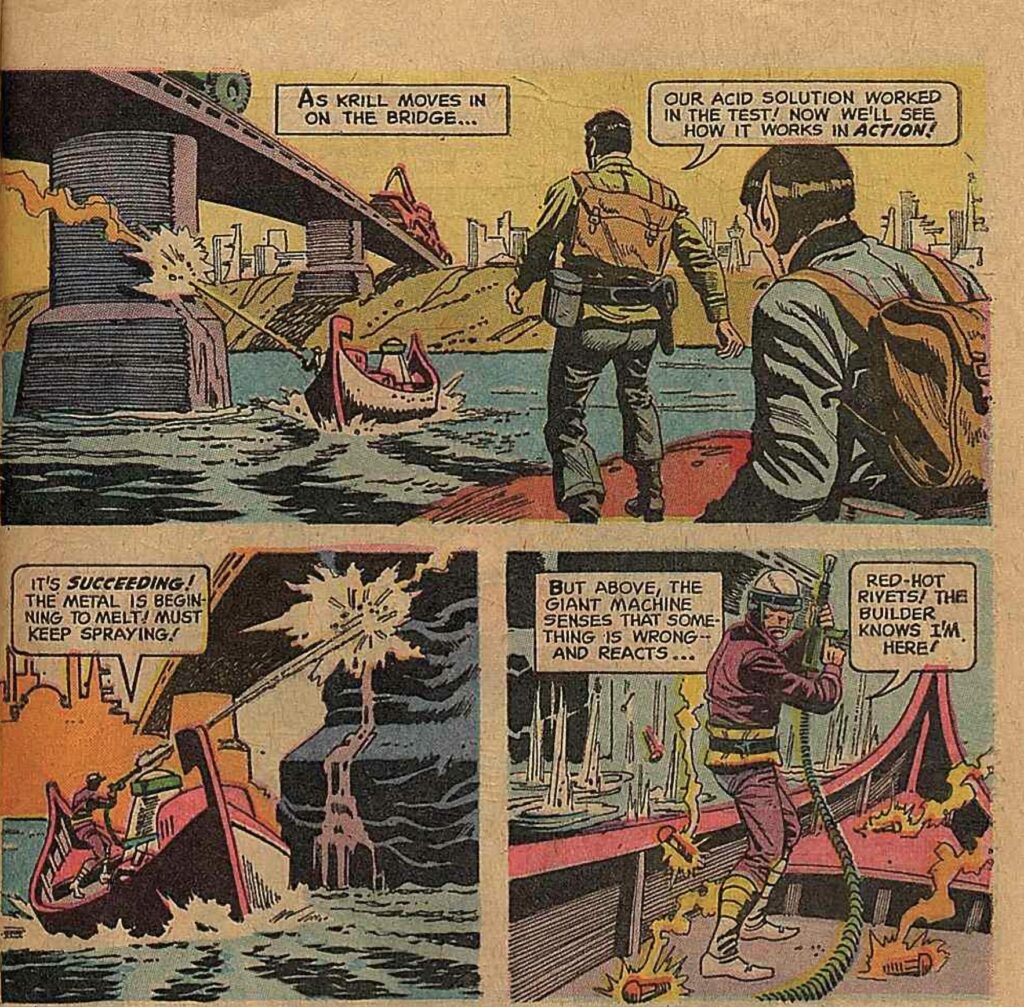
Kirk functions perfectly well as a brave and capable captain, but that’s only part of who Kirk is. What makes the television version interesting is the tension between confidence and self-doubt, authority and impulse, intellect and instinct. Shatner’s Kirk is often making things up as he goes along whilst somehow remaining completely convincing. That complexity isn’t really present here.
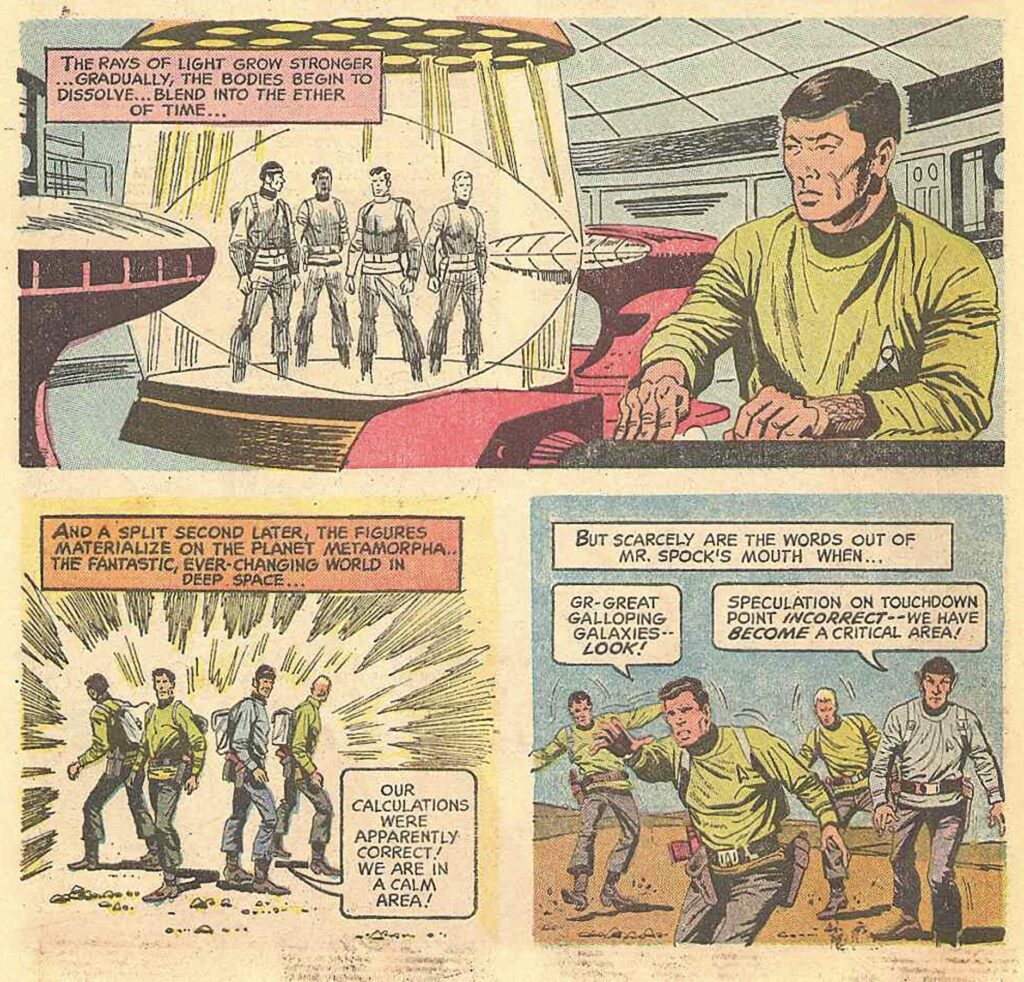
Spock fares slightly better because his logical nature gives the writers something concrete to work with, but even he often feels simplified. As for the rest of the cast, they’re largely passengers. McCoy occasionally appears. Scotty, Uhura, and Sulu are mostly there because someone has to stand on the bridge.
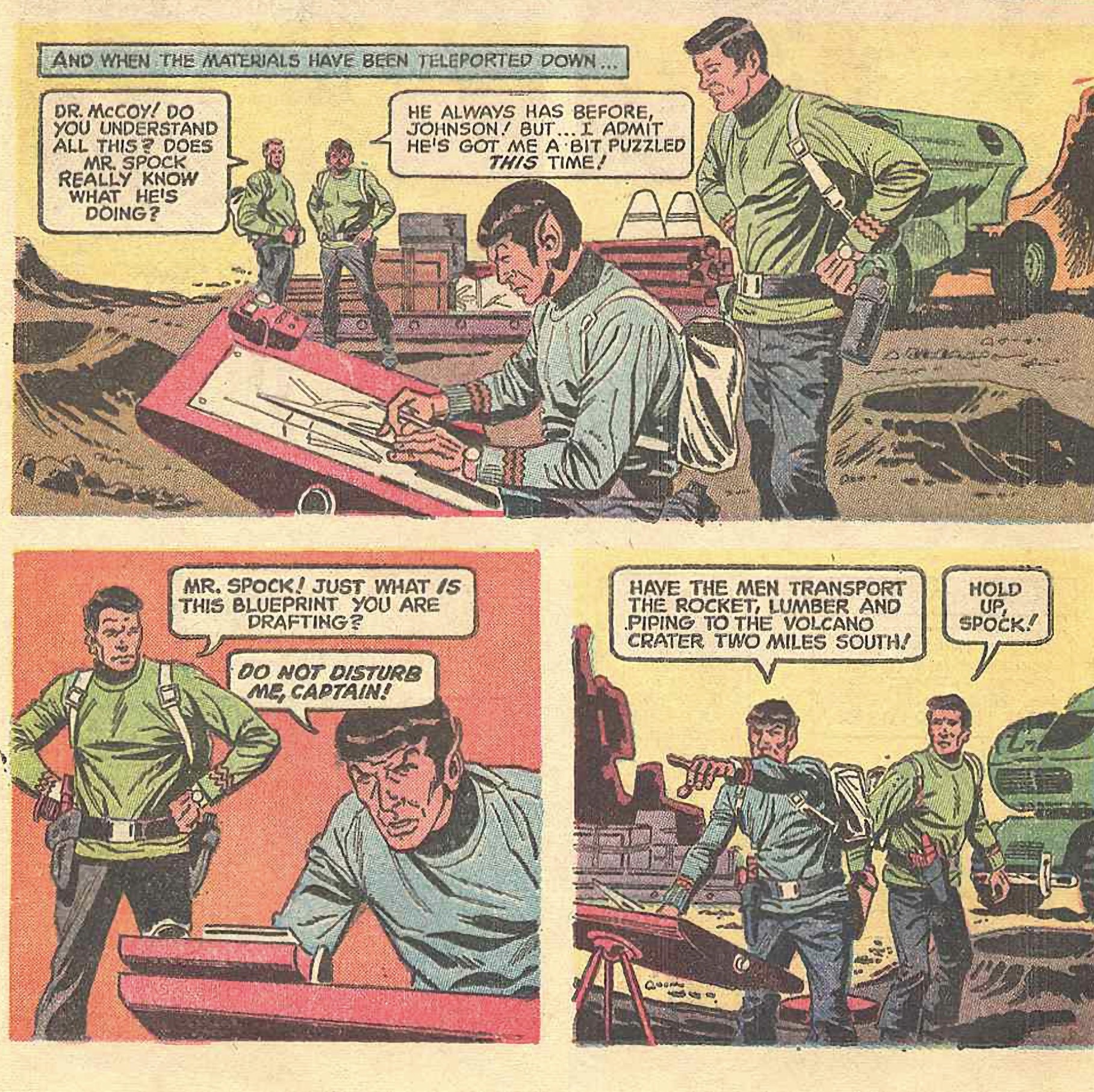
That’s a problem because Star Trek’s ideas work best through its characters. The ethical dilemmas matter because we care about the people making the decisions. Here the situations are often interesting, but the emotional and moral weight behind them is thinner than it would become on television.
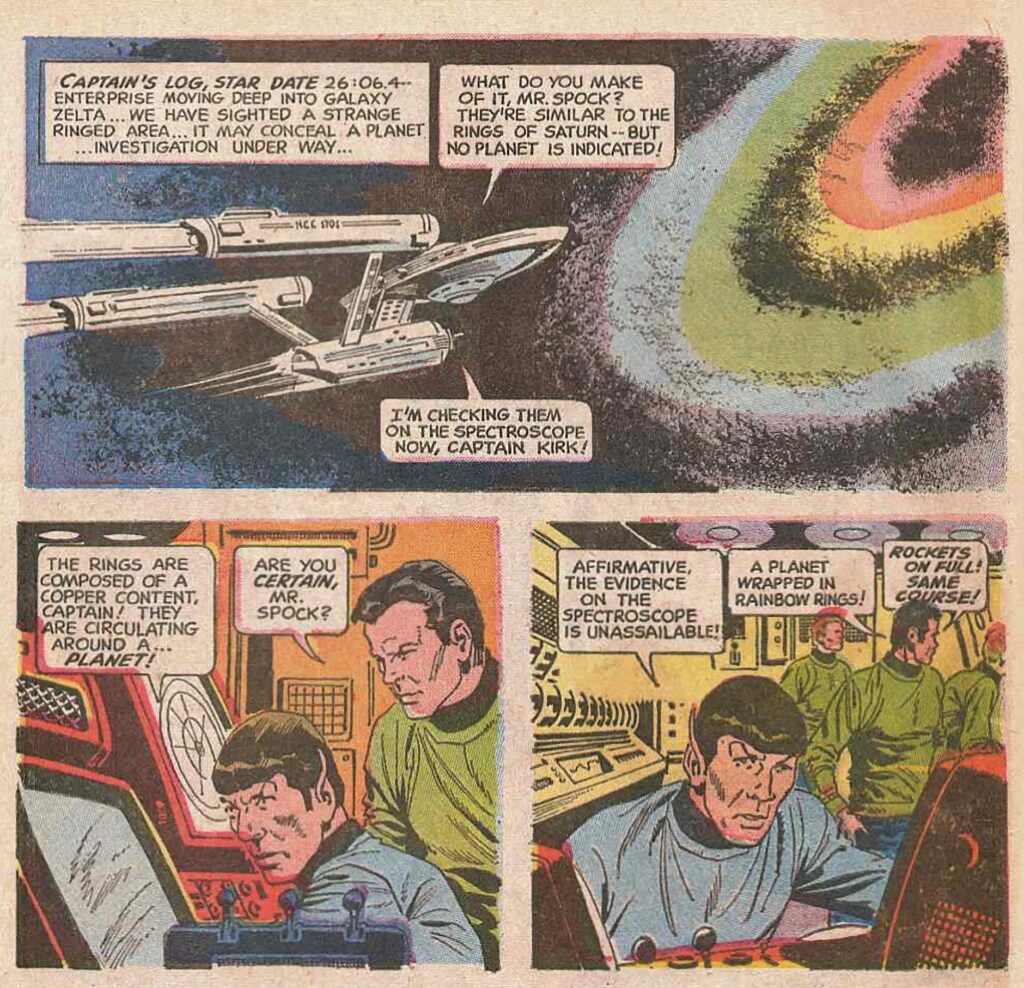
There’s also an unavoidable sense that the creators didn’t quite know these people yet. Not through any fault of their own. They simply weren’t given enough material. As a result, the comics sometimes mistake competence for personality. Kirk succeeds because he’s the hero. Television Kirk succeeds because of who he is.
That distinction matters.
None of this makes Gold Key Archives Volume 1 a bad read. Far from it. It’s charming, imaginative, historically important, and occasionally surprisingly clever. More importantly, it’s a fascinating glimpse into a version of Star Trek being assembled almost independently from the television series that inspired it.
What emerges isn’t quite Star Trek as we know it. It’s Star Trek in silhouette. The shape is right. The ideas are often right. The sense of wonder is frequently right. The characters and moral complexity are a little blurrier.
Still, there’s something undeniably enjoyable about watching creators reconstruct Trek from first principles and getting as much right as they did.
They’re worth reading.
Just don’t expect them to replace the real thing.
7/10