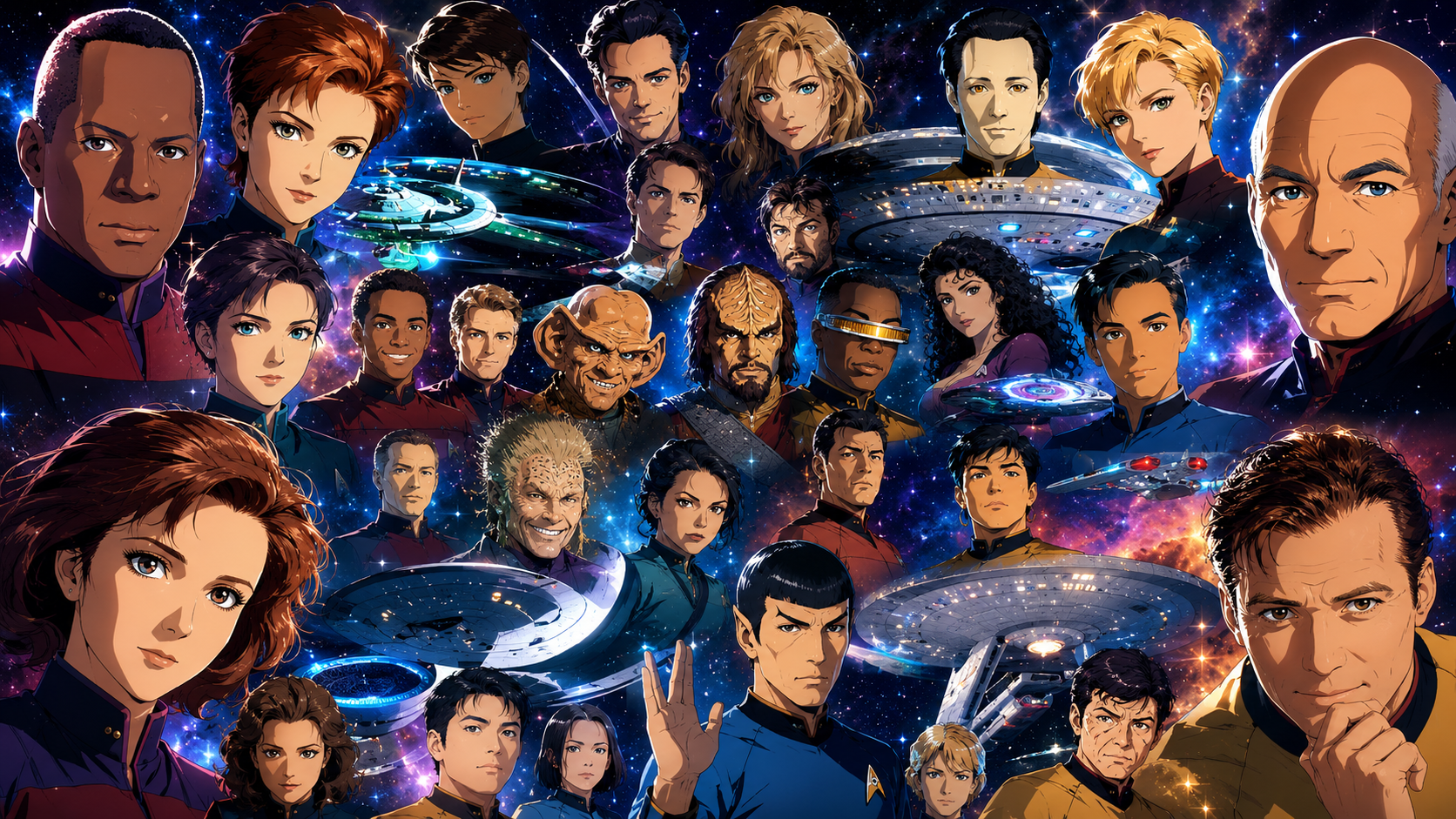
Why Star Trek Still Matters
I didn’t just grow up as a Star Trek fan. I was a massive Doctor Who fan first. In 1988, aged ten, I fell in love with Sophie Aldred, went to Doctor Who for Ace and stayed for the stories. My cousin, my brother, and I had the Star Wars toys, the original trilogy on VHS, and I still watch the new stuff with my middle child when it comes out. Those things are stitched into me the same way they’re stitched into a lot of people who grew up with Saturday telly, battered tape cases, and the kind of imagination that made a cardboard box feel like a spaceship.
But…
The older I get, and I am old (born in 1978), the more I come back to one fairly simple conclusion: Star Trek is the best of them.
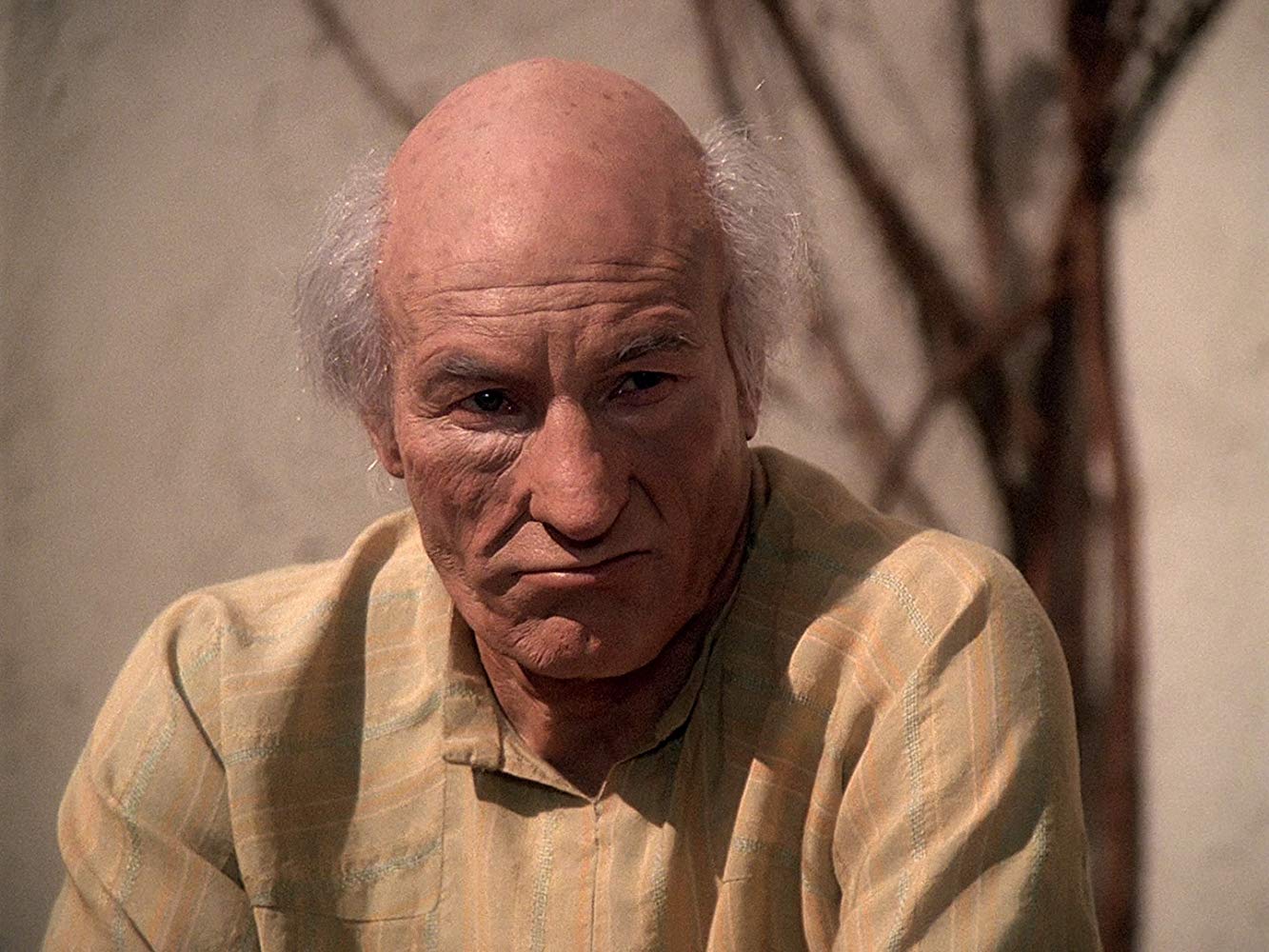
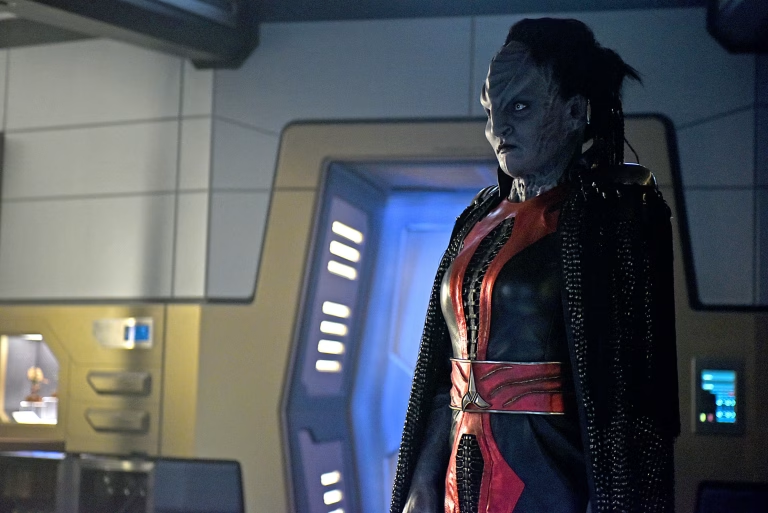
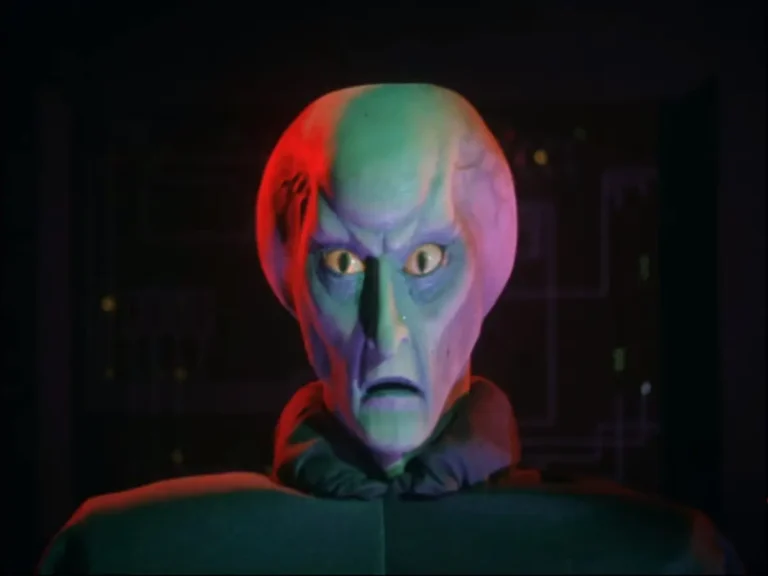
Not because it has the best effects. It often doesn’t. Star Trek has given us some of the finest science fiction television ever made, and it has also given us space hippies, ghost candles, and more forehead prosthetics than any reasonable civilisation should allow.
But here’s the thing. In Star Wars you’re told who the good guy is, who the bad guy is, who to root for. The moral lines are drawn for you before the opening crawl’s finished. In Doctor Who there’s so much invented science, and the Sonic Screwdriver gets pointed at enough impossible situations that it functions more or less as a magic wand with a better prop budget.
Star Trek makes you think. More than that, it makes you wonder who the good guys actually are, and whether the right thing was really done.
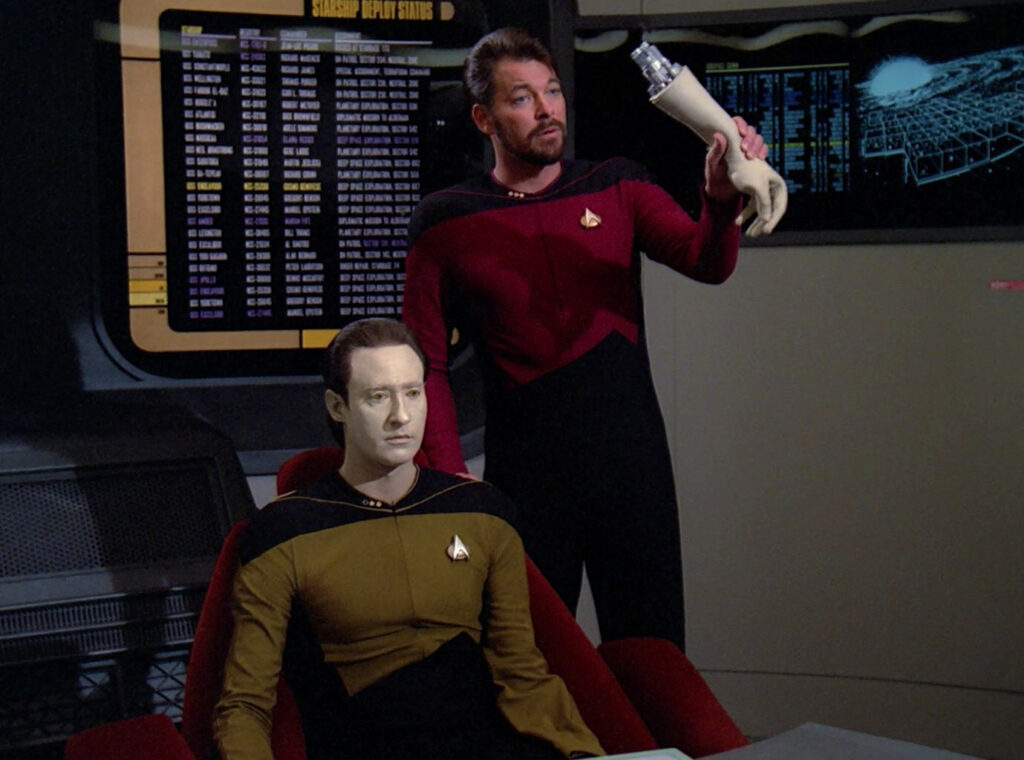
That moral ambiguity is where Trek separates itself from almost everything else in science fiction. “The Measure of a Man” in The Next Generation Season 2 asks whether Data has rights, and it doesn’t tell you what to think. It gives you the arguments on both sides and leaves you sitting in the room with them. “In the Pale Moonlight” gives you Sisko lying, manipulating, and facilitating murder to bring the Romulans into the Dominion War, and then asking himself whether the outcome justified it. He decides it did. The episode doesn’t agree or disagree. “The Drumhead” is a witch hunt unfolding aboard a Federation starship, and every step of the descent into paranoia feels completely understandable right up until it doesn’t. These aren’t parables with neat conclusions. They’re genuine moral arguments that stay with you because they don’t resolve cleanly. Real ethical questions rarely do.
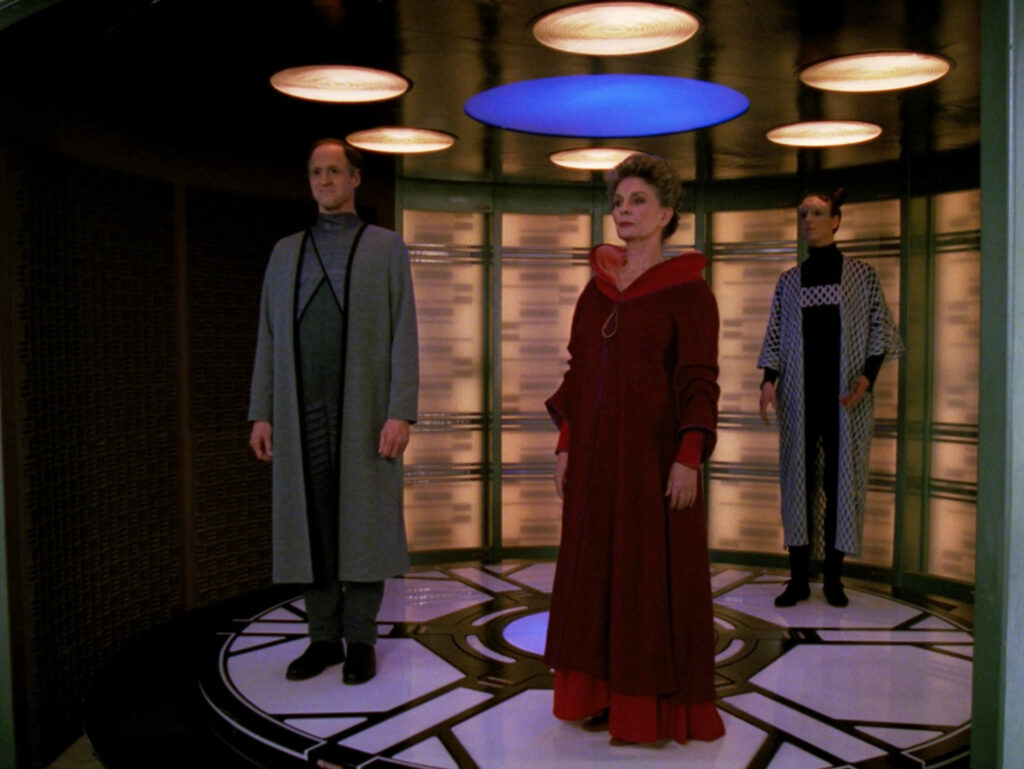
Trek excels at structured, world-building science fiction where the ideas live inside the characters and the characters live inside something that feels like an actual world with actual rules and actual consequences. When it comes to stories that stay with you, it’s in a different league.
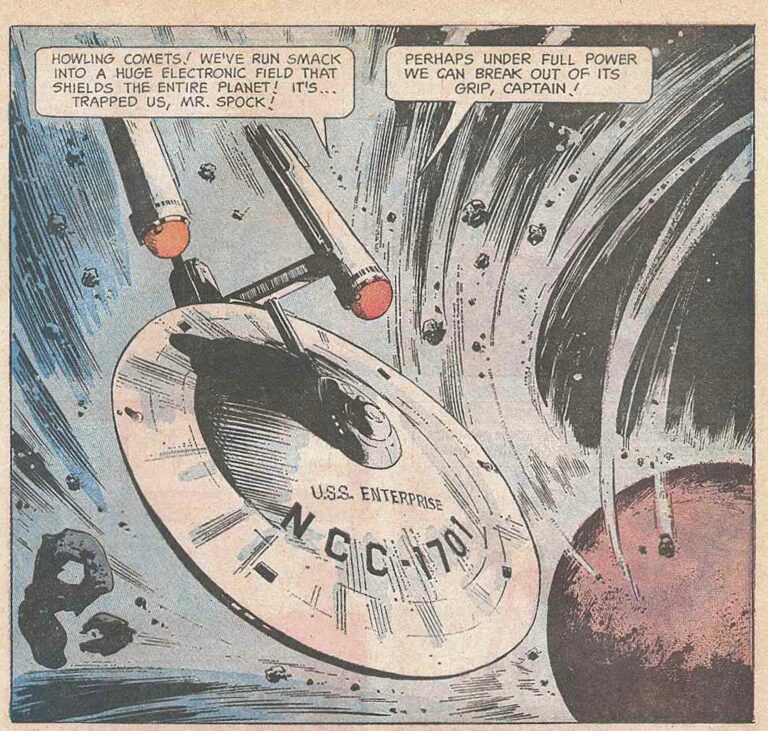
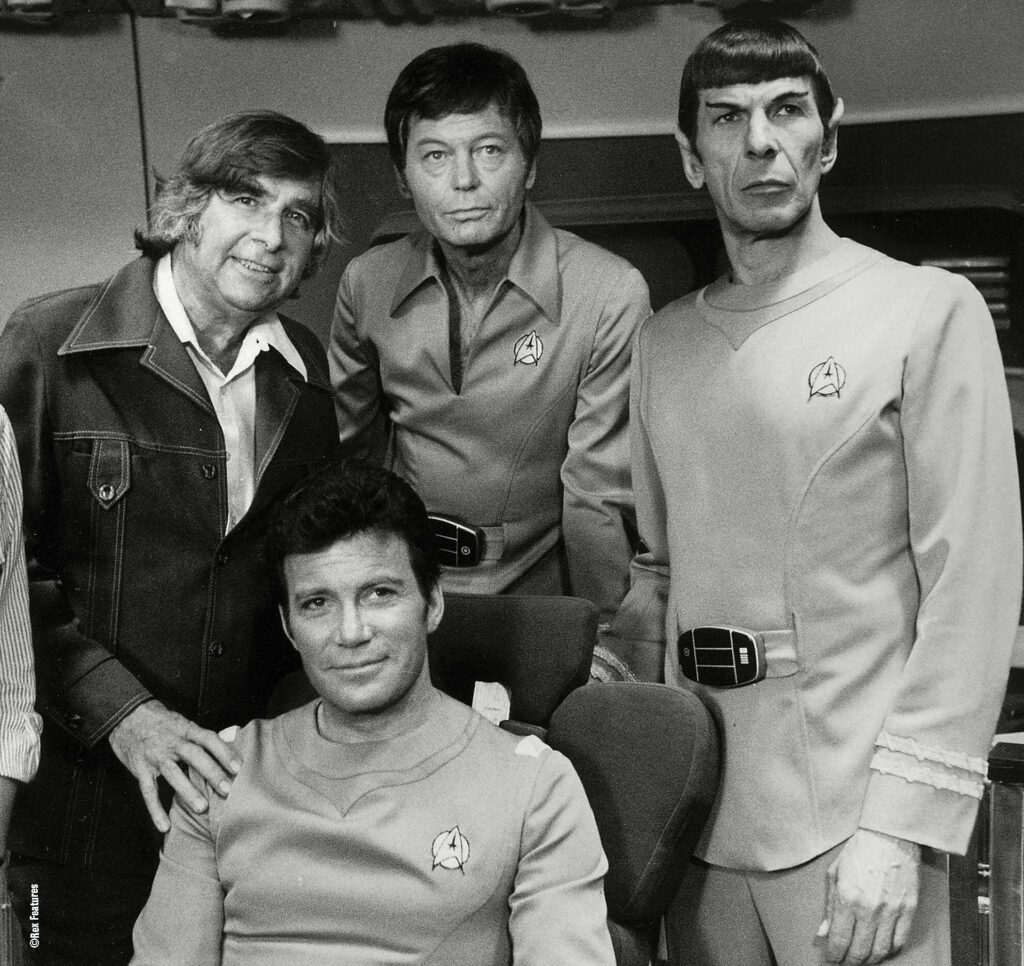
That’s why the long Enterprise reveal in The Motion Picture works for me. To someone who doesn’t care, it probably feels like a director taking the scenic route round a model. To a Trek fan, it feels like reunion. It’s not just a ship. It’s Kirk, Spock, McCoy, Scotty, Uhura, Sulu, and Chekov. It’s the promise that we’re about to spend time with people who matter.
Doctor Who gave me wonder. Star Wars gave me myth. Star Trek gave me people I wanted to sit in a room with.
The franchise has been running for sixty years now. It’s survived cancellations, revivals, box office disasters, and at least one film where someone thought it was a good idea to ask God what he needed with a starship. It’s been rebooted, reimagined, and expanded across more streaming platforms than anyone sensibly planned for. And yet here it is, still. Still being made. Still being watched. Still mattering to people in ways that are sometimes difficult to explain to anyone who wasn’t already there.
The obvious explanation is the optimism. Star Trek was built on Roddenberry’s conviction that humanity could, if it actually tried, sort itself out. No poverty. No racism. No war between nations. A future where the difficult questions were no longer about survival, but about meaning, identity, and what we owe each other. That was a radical proposition in 1966. In 2026, it still is.
But the optimism alone doesn’t account for the staying power. What Trek does, at its best, is use the future as a mirror. The Klingons were never really about Klingons. The Borg were never really about cybernetics. Every alien culture, every ethical dilemma, every argument about the Prime Directive is really about us, right now, trying to figure out what we actually believe. That’s why episodes from fifty years ago still hold up in conversation. Not because they got the future right, but because they got the questions right.
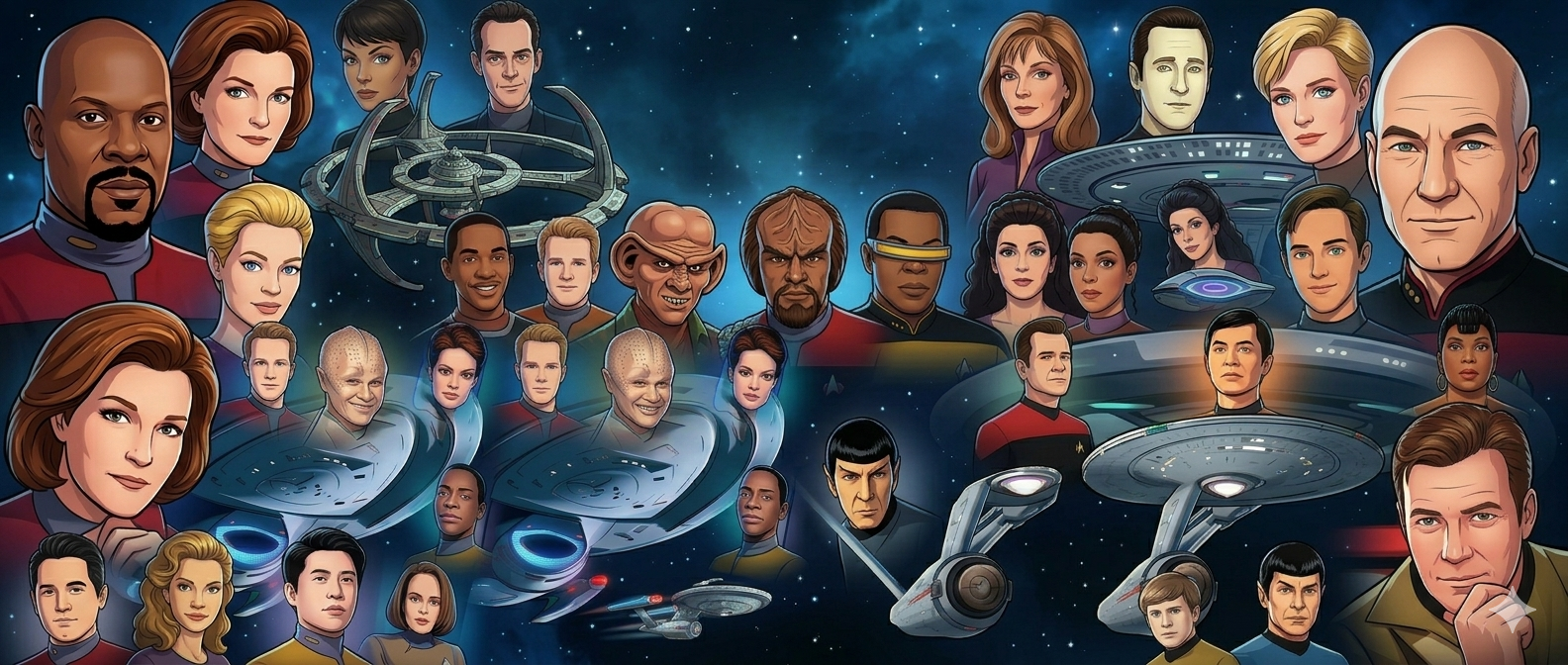
Deep Space Nine understood this better than almost any other version of the franchise. It sat in one place, let its characters have histories and contradictions and longstanding grudges, and asked what happens to Roddenberry’s dream when you push on it hard. When resources are scarce. When the enemy doesn’t play by the rules. When faith and science share the same corridor and neither one is willing to move. Deep Space Nine wasn’t cynical about Trek. It loved Trek too much to leave it unexamined. That, to me, is what proper fandom looks like.
The Next Generation gave us something quieter: a workplace drama set among the stars, with a captain who read archaeology and quoted Shakespeare, and a crew that mostly solved problems by thinking harder about them. At its best it had a confidence that didn’t need to announce itself. It believed that the future would contain people worth knowing, and it trusted you to feel the same.
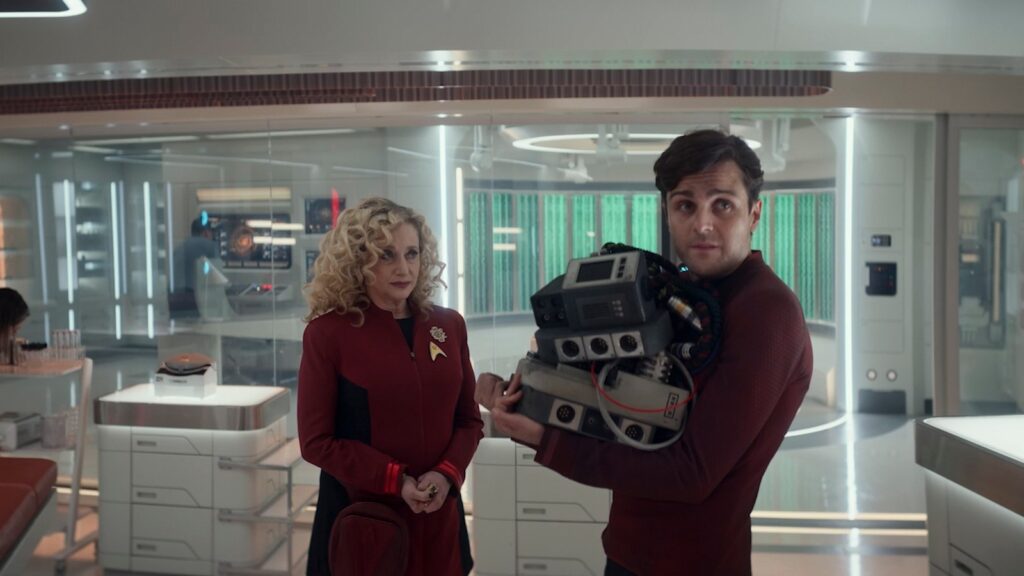
Strange New Worlds, one of the most recent series to get it mostly right, brought something back that had drifted for a while: the standalone episode. One story, told and resolved, without needing to feed a season-long arc. It turns out that format still works. It always did.
None of this means the franchise has no failures. It does, and some of them are substantial. Some films should not have been made. Some seasons lost the thread. Some decisions were wrong, and some were wrong in ways that remain genuinely baffling. Good fandom doesn’t pretend otherwise. But the franchise as a whole is worth engaging with seriously, and that means being honest rather than cheerleading or piling on depending on what the discourse demands that week.
That’s what this site is for.
I’ve been watching Star Trek most of my life and I’ve never stopped finding things worth saying about it. I grew up in Aberdeen. I work in cybersecurity now, but before that I was a published comic book writer and letterer, which teaches you a lot about storytelling economy and the gap between a good idea and a good execution. More recently I wrote Trek news and features for Daily Star Trek News until the site shut down, and if I’m being honest, that closure was a big part of what finally pushed me toward building something of my own rather than writing for other people’s platforms.
BoldlyTrek is here for the long haul. Not as a project with a planned lifespan, but because there will always be something to talk about. New shows, new films, new comics, new novels, new games. And behind all of that, decades of material that rewards revisiting. The back catalogue alone could sustain this site indefinitely, and I intend to give it the attention it deserves.
There’ll be reviews here, episode guides, lore deep dives, retrospectives, and more than one argument about which Enterprise bridge is the best one. Enthusiasm and criticism both, and both will be genuine.
One of the things Star Trek does that we’ve mostly forgotten how to do outside of it is have a proper argument about right and wrong without deciding the other person is beyond contempt before the conversation starts. These days if you lean one way politically you’re a fascist, lean the other and you’re a snowflake, and the space in the middle where actual thinking happens has mostly been abandoned in favour of scoring points. Trek has always believed that the argument itself has value. That working through a difficult question with someone you disagree with isn’t a threat. It’s the whole point.
Sixty years on, it still produces the occasional moment where the camera lingers on something you love, the music swells, and you feel it.
That’s more than enough to keep talking about.