Star Trek: TOS – Where No Man Has Gone Before (S01E03)
I came to The Original Series backwards, the way most people my age did. The Original Series arrived later, in the way things did before streaming made chronology optional, in chunks, on whatever channel was running it that week, in an order that made no particular sense. “Where No Man Has Gone Before” was probably not the first The Original Series episode I watched, but it might as well have been. It’s the one that made me understand what the show actually was, as distinct from the show I already knew. The two things are related but they are not the same thing, and this episode is where you feel the difference most clearly.
There’s a version of this that opens with a lecture about production order versus broadcast order, and why airing this third was a decision that baffled people at the time and still does. I’ll skip it. Anyone who cares already knows, and anyone who doesn’t has probably clicked on something else by now.
What matters is the episode itself, and what it did.
“Where No Man Has Gone Before” is the second pilot, the one that actually got Star Trek made. NBC had knocked back “The Cage” for being too cerebral, which tells you something useful about network television in 1966 and rather less useful about that episode. This one landed differently. You can see why. It moves. It has weight. And it introduces, apparently without effort, a version of James Kirk that Shatner would spend the next decade inhabiting without substantially revising. That confidence is what strikes you hardest on a rewatch. Pilots are usually awkward things, full of characters explaining themselves to each other while the production figures out what it wants to be. This one has some of that, and I’ll get to the parts that don’t quite work. But underneath the rougher edges is an episode that already knows what it’s doing morally and emotionally. That’s rare in a pilot. It’s rare in television full stop.
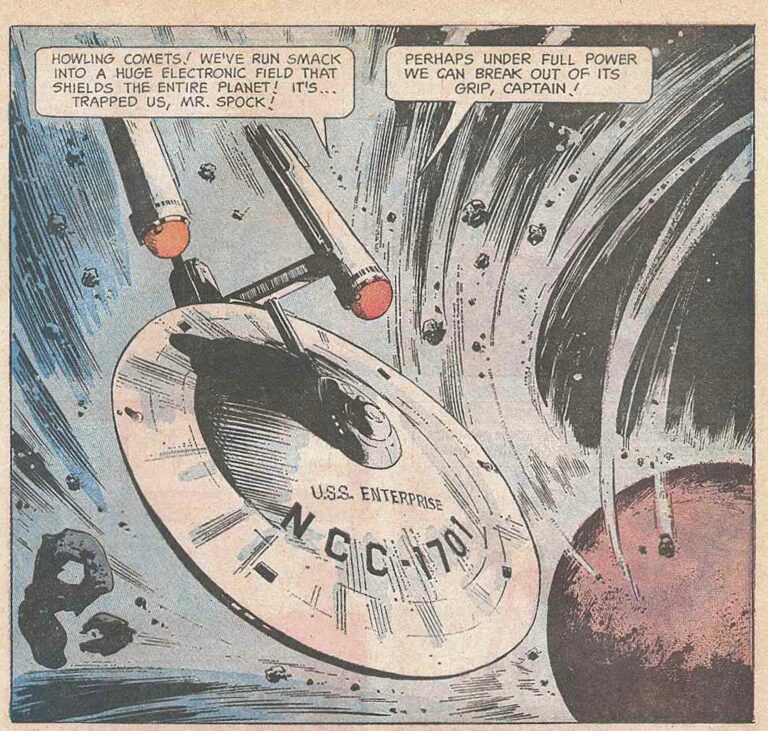
The atmosphere helps. There’s still some leftover DNA from “The Cage” here, a colder, more serious quality that the regular series would gradually sand away. The uniforms are rougher, the bridge feels emptier, and the whole thing has a frontier edge to it. The Enterprise is out on its own at the limits of charted space, engines burned out, nobody coming to help. The Original Series at its best often feels like a naval vessel wandering into things humanity barely understands, and this episode establishes that mood early and holds it.
The question at the centre of the episode is the one Trek would keep returning to for decades: what do we owe each other, and does that debt survive transformation? Gary Mitchell gains power that removes him from any recognisable human register, and the episode refuses to let that be a simple horror story. Kirk’s reluctance to act against someone he’s known for years isn’t written as weakness. It’s written as the thing that makes him worth following. The cold logic that says kill him now and ask questions later might even be correct on the evidence, but it isn’t the only way of being right, and the episode is smart enough to know that.
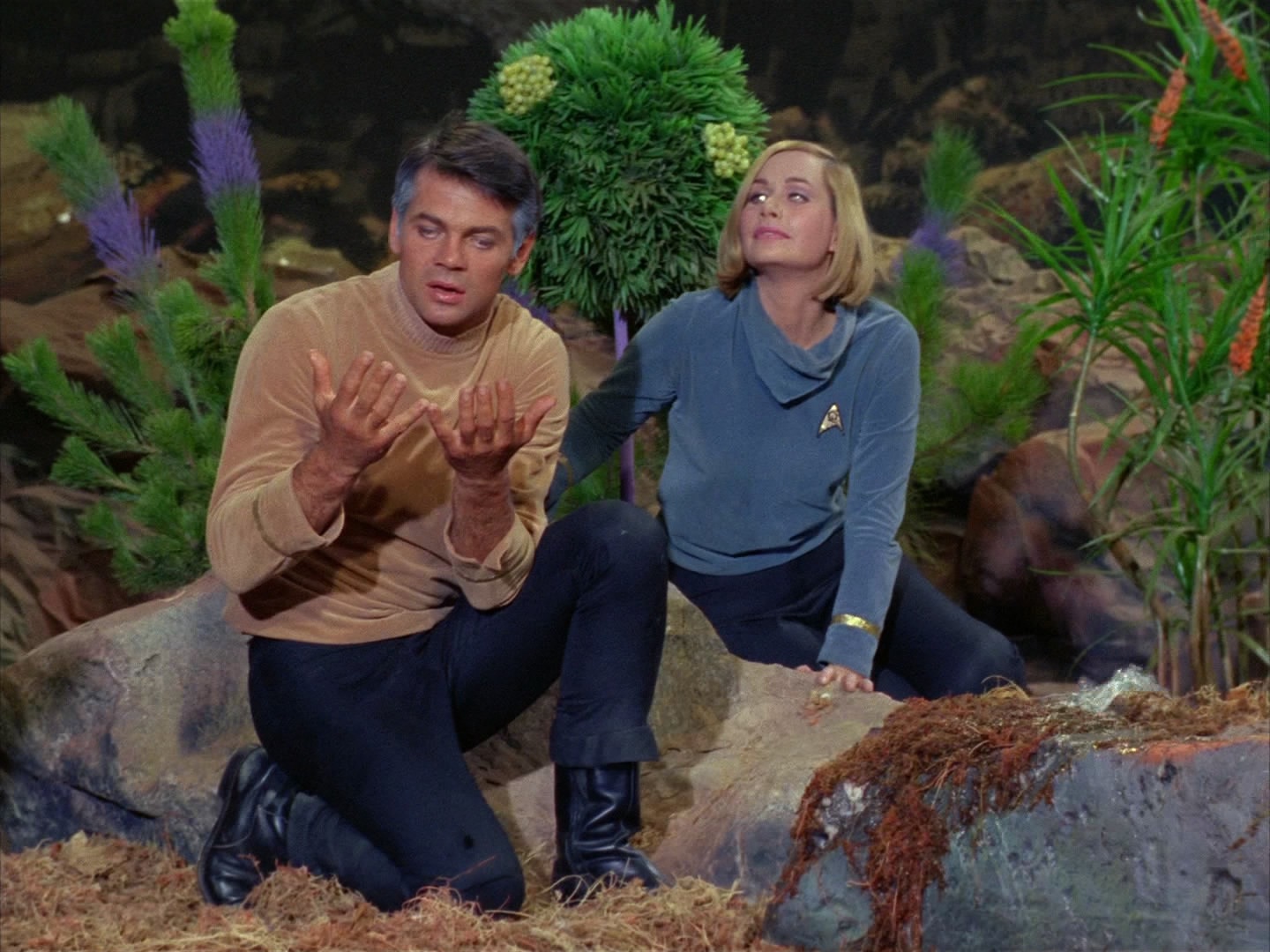
Mitchell himself is more interesting than he first appears. The episode quietly suggests he already had arrogance and manipulative tendencies before his powers amplified them. The story he tells Kirk about engineering a romantic distraction so he could pass his class is easy to read as charming and harmless, but it’s also a story about treating another person as a tool. That detail matters. It makes his descent feel less like an external force overtaking a decent man and more like the worst of him being given free rein. That’s more tragic than Charlie Evans, and considerably more unsettling.
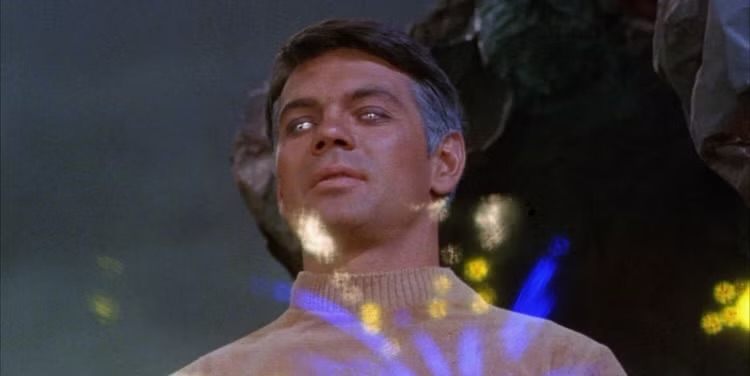
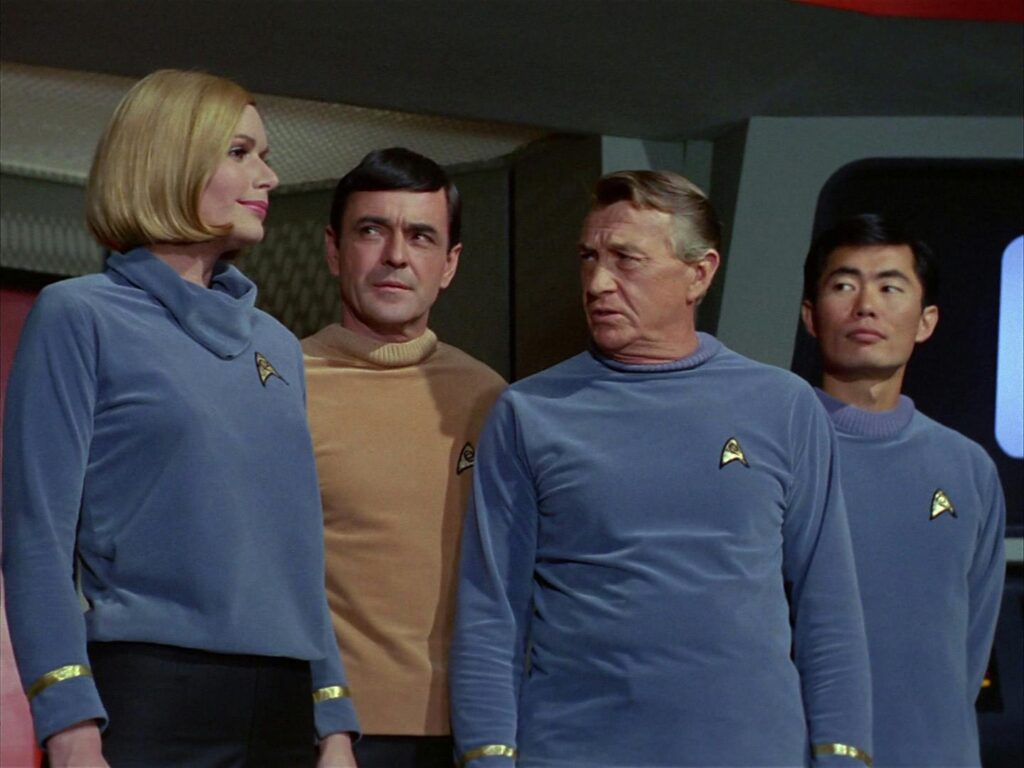
What makes the episode work where it could easily have settled for competent is Dr. Dehner. Sally Kellerman gives a performance that still holds up, and the character is doing something unusual for 1966 television. She isn’t there to be rescued or charmed. She has a professional position, she defends it with intelligence, and she’s eventually proved wrong about one specific thing without being wrong about her broader instinct that the situation demands more nuance than Spock is applying. When she makes her final choice on Delta Vega, it’s earned by everything the episode has built around her. She’s the real moral centre of the whole story, and the show would spend years looking for another character who could carry that kind of weight.
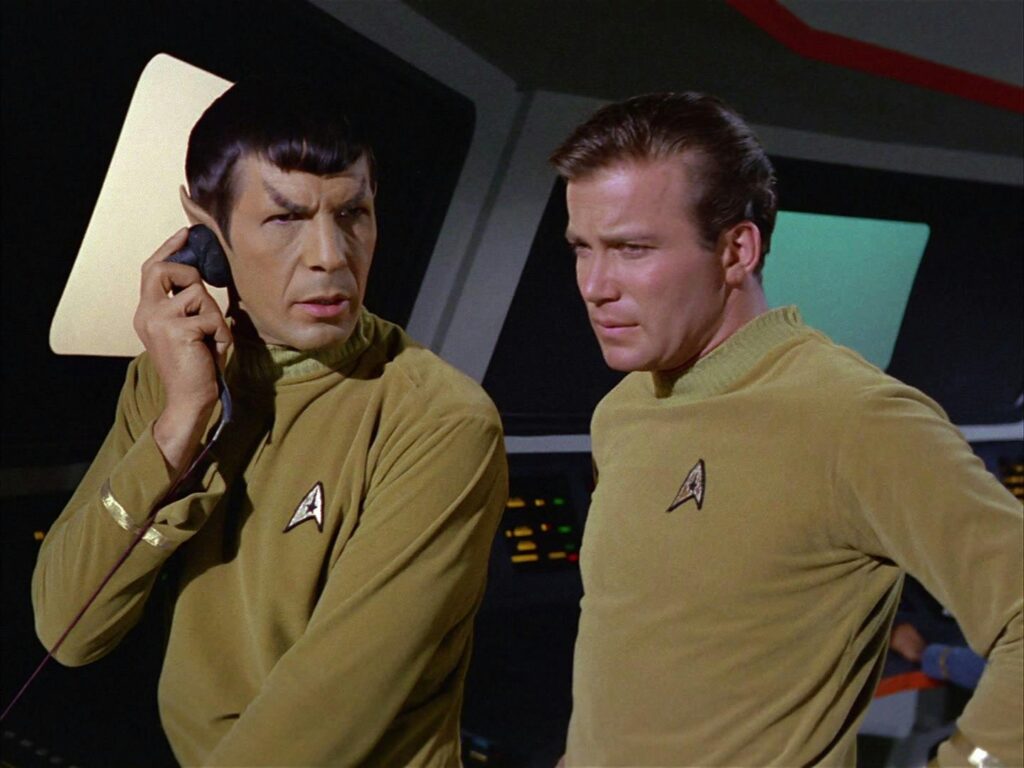
Spock is still being assembled. Nimoy doesn’t quite have it yet, and there are moments where the characterisation lurches between detached logic and something that reads more as irritability. That gets smoothed out as the series settles, and you can watch the development in real time if you go back through early season one in production order. It isn’t a significant problem here because the episode isn’t really his story. But it’s noticeable, and worth saying.
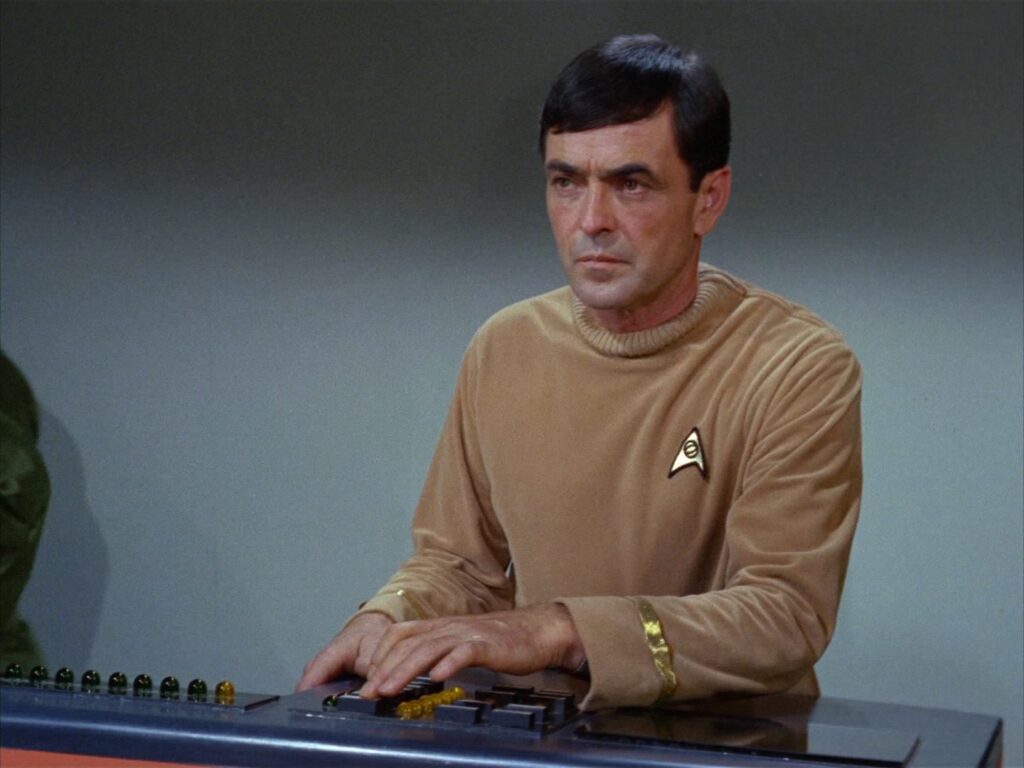
Where I’ll offer some sustained criticism is the setup. They recover the Valiant’s recorder, hear “everyone went mad, captain ordered self-destruct,” and then promptly fly straight into the same energy barrier anyway. The galactic barrier itself is, even by The Original Series standards, a gloriously undercooked concept. A glowing wall at the edge of the galaxy because the plot requires one is the kind of thing that works in the room and doesn’t survive much scrutiny. You go along with it because the episode earns your goodwill quickly, but the premise is still a bit of a handwave and it’s fair to say so.
The fight on Delta Vega at the end has also not improved with age. Kirk punching a god to death with rocks is objectively ridiculous. It works anyway, because Shatner commits completely and because the emotional stakes carry the scene past the physical absurdity. The stunt double issue is considerably more visible on modern screens than it would have been on a 525-line analogue set in 1966, and grading it against a standard that didn’t exist when it was made seems pointless. These things are what they are.
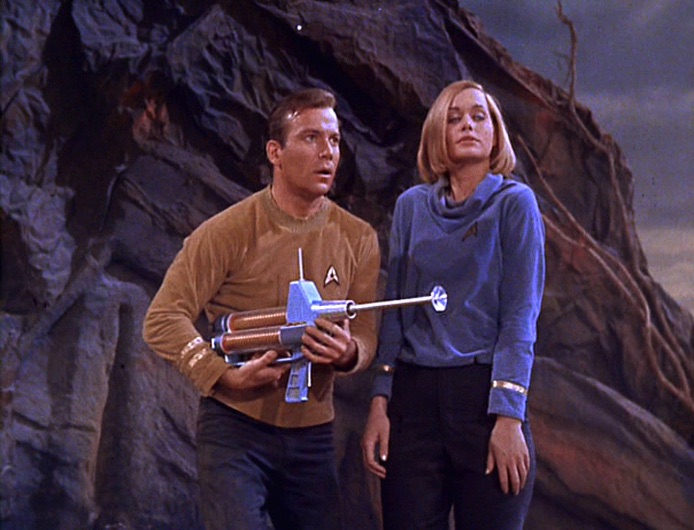
What holds, and what the rougher edges can’t undermine, is the moral architecture. “Above all else, a god needs compassion.” Kirk says it with the directness of someone who has worked it out from first principles rather than inherited it as doctrine. That line is what the episode is built around, and it connects this back to everything that has made Trek worth watching for sixty years. The ideas live in the people. That was already true here, in the very first episode that felt like the show it was going to become, and it’s the reason the rest of it was possible.
Rating: 8/10