Star Trek: TOS — Charlie X (S01E02)
The premise of “Charlie X” sounds like something you’d find stapled to a bus stop in 1966. Lonely teenager. Godlike powers. Spaceship full of people he makes uncomfortable. On paper it’s disposable, the kind of high-concept Twilight Zone material that could collapse under its own gimmick in twenty minutes. What Dorothy C. Fontana does instead, in her first Trek teleplay credit, working from a story by Gene Roddenberry, is turn it into something quietly unsettling.
Fontana went on to become the show’s story editor for the bulk of the first two seasons, and her absence from the third remains one of the more convincing explanations for why that year fell apart so completely. Her fingerprints are all over the show when it works best, and “Charlie X” shows you why. She treats the premise less as a monster story than a character study. Charlie is dangerous, but he’s also recognisable. A boy who wants to belong and has absolutely no idea how.
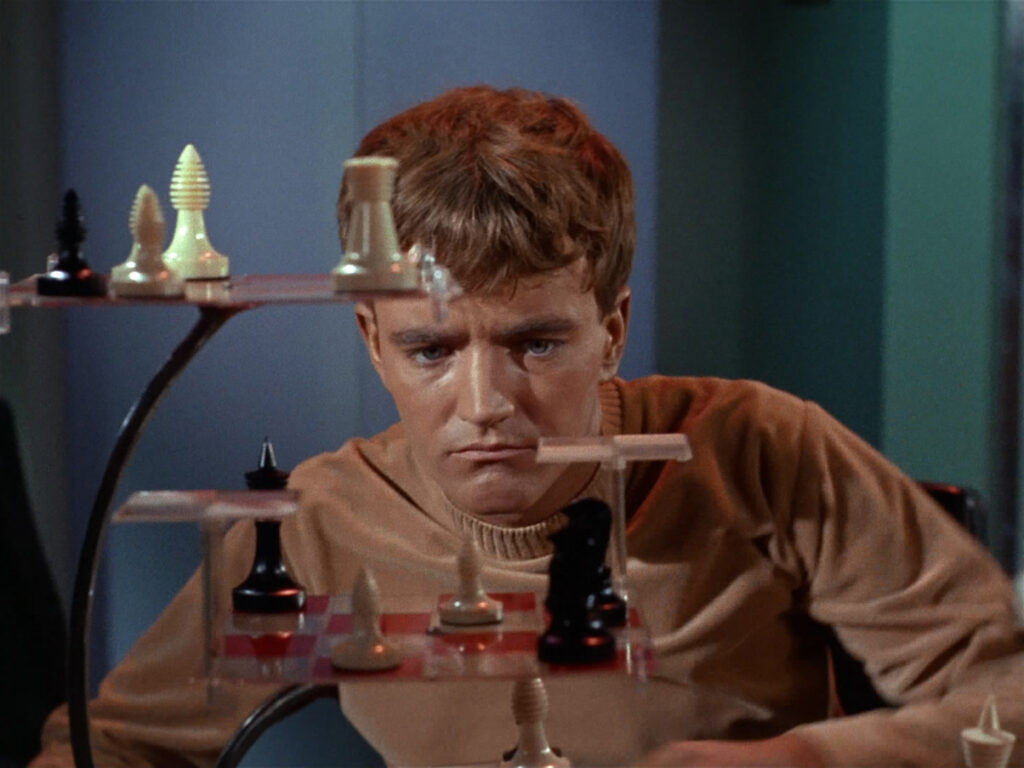
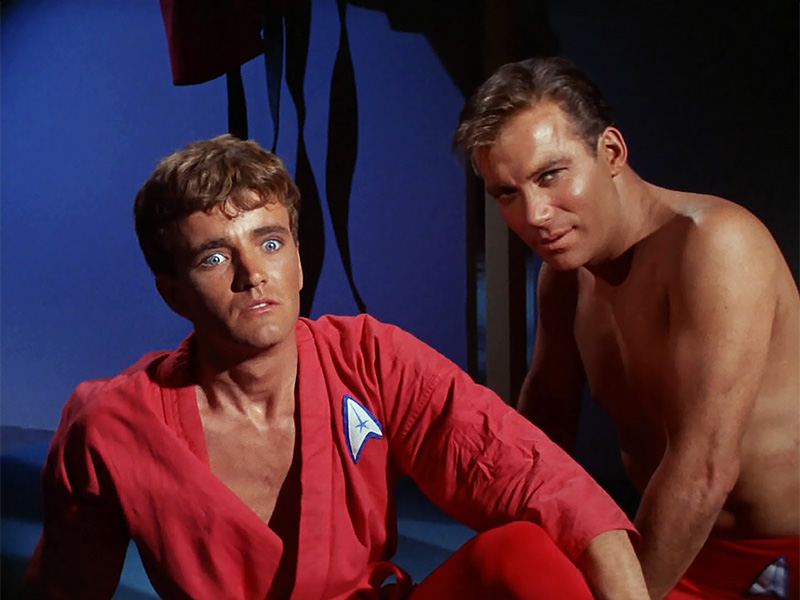
Robert Walker Jr makes the episode work. The role should fail immediately. He’s visibly older than seventeen, and Charlie is written to be irritating by design. But Walker keeps finding the vulnerability underneath the tantrums. You don’t excuse Charlie, but the episode never lets him become simple either. When the Thasians arrive and Charlie screams that he can’t even touch them, that they don’t love, the desperation lands because the episode has earned it. He isn’t raging at the crew so much as raging at the fact he briefly got close to humanity before being told he can’t stay there.
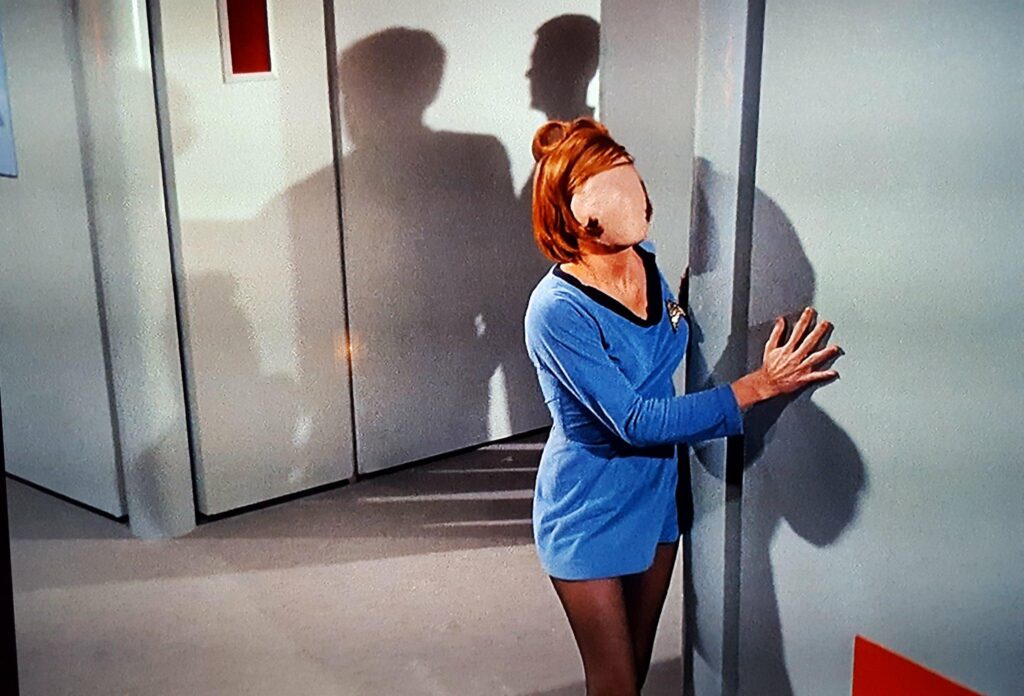
That’s the thing early season one The Original Series does unusually well. Space still feels strange and unsettling. The faceless woman scene works because nobody treats it like camp. A woman laughs, then suddenly she can’t anymore, and the episode just sits with how wrong that feels. The escalation from awkward card tricks to quiet horror is handled with far more patience than the episode usually gets credit for.
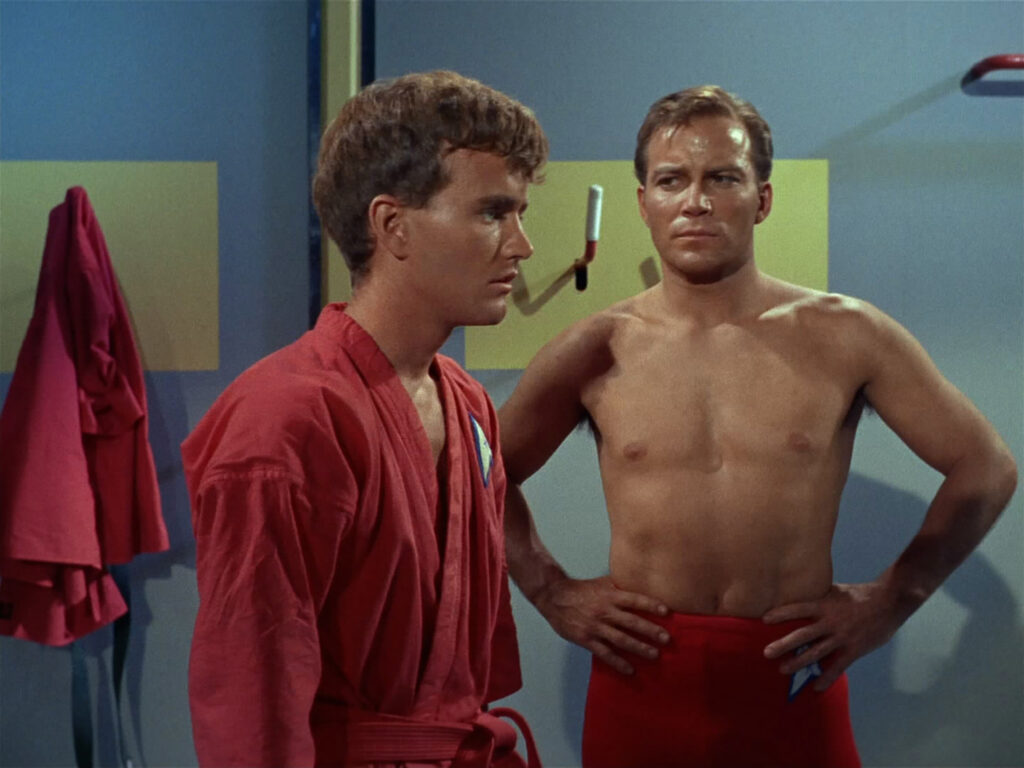
Shatner is good here in the way he sometimes is when people have forgotten to mention it. Early Kirk isn’t the pop culture parody yet. He’s competent, intelligent, occasionally funny, and completely out of his depth trying to play father figure to a traumatised teenager with unlimited power. The scene where he awkwardly tries to explain to Charlie why slapping Rand’s backside was wrong is still fascinating. It’s funny in exactly the stumbling way it was intended to be, but it’s also the moment where the episode most obviously fails Janice Rand. Kirk eventually gets to the right point later, explaining that love requires the other person to actually choose you. But the earlier scene still lingers awkwardly.
Rand is probably the episode’s biggest weakness overall. Grace Lee Whitney does decent work, but the character mostly exists as the object Charlie wants and the crew tries to protect. The episode gestures toward her perspective without ever fully caring about it. Trek kept promising more for Rand and never really delivered before writing her out.
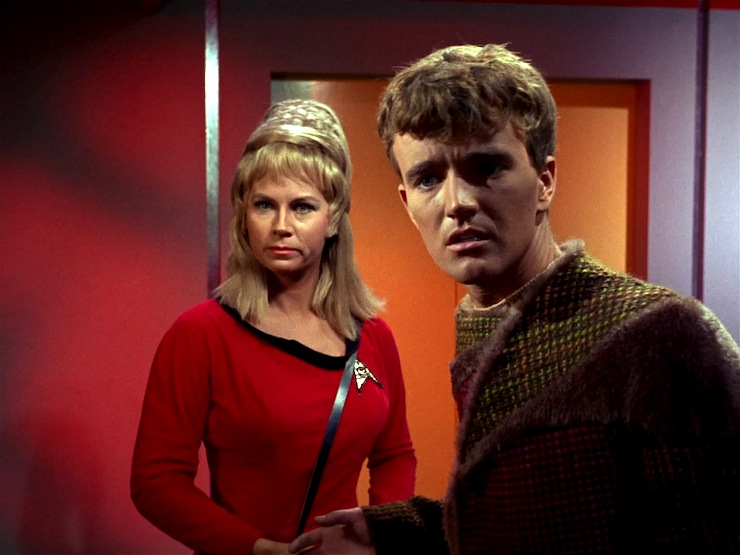
The Thasians arriving to take Charlie away is absolutely a deus ex machina, and structurally it’s a weak ending. The crew do not solve the problem. Kirk’s attempt to overwhelm Charlie was going nowhere. But emotionally the ending still works because the episode was never really asking whether Charlie could be stopped. It was asking whether he could be helped. The answer turns out to be no.
What stays with me most is the contrast between Kirk and Charlie. Kirk has enormous authority, but he exercises it with restraint. Charlie has enormous power and absolutely no framework for restraint at all, because nobody ever gave him one. He learned from tapes and records instead of people. He never had the ordinary humiliations that teach you how to lose, how to hear no, and how to survive disappointment without lashing out.
“There are a million things in this universe you can have and a million things you can’t have,” Kirk tells him. It’s almost the right speech at almost the right moment, from a man who is trying and slowly realising he isn’t getting through.
Fred Steiner’s score deserves mentioning as well. Early The Original Series uses music in a way later Trek often avoids, and here it does real work. The cues around Charlie’s power shifts are genuinely unsettling without ever overselling themselves.
“Charlie X” is uneven, dated in places, and the ending will probably always frustrate people who wanted the crew to solve things themselves. But it was only the second episode to hit the airwaves, and it already understands something important. The real question isn’t whether the dangerous thing can be defeated. It’s whether the person underneath it could have been reached before it was too late.
That question still lands.
8/10