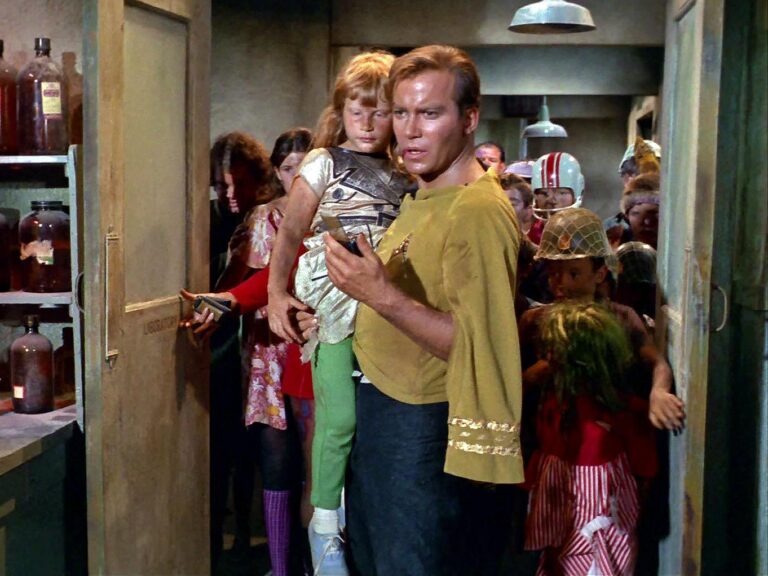
Star Trek: TOS – Mudd’s Women (S01E06)
The reputation arrives before the episode does. Search “Mudd’s Women” in any Trek forum and you’ll find the same verdict repeated until it looks like consensus: rampant sexism, a story about space hookers, early The Original Series at its embarrassing worst. I read enough of it that the sheer volume eventually had the opposite effect. I sat down specifically to watch it and have my say.
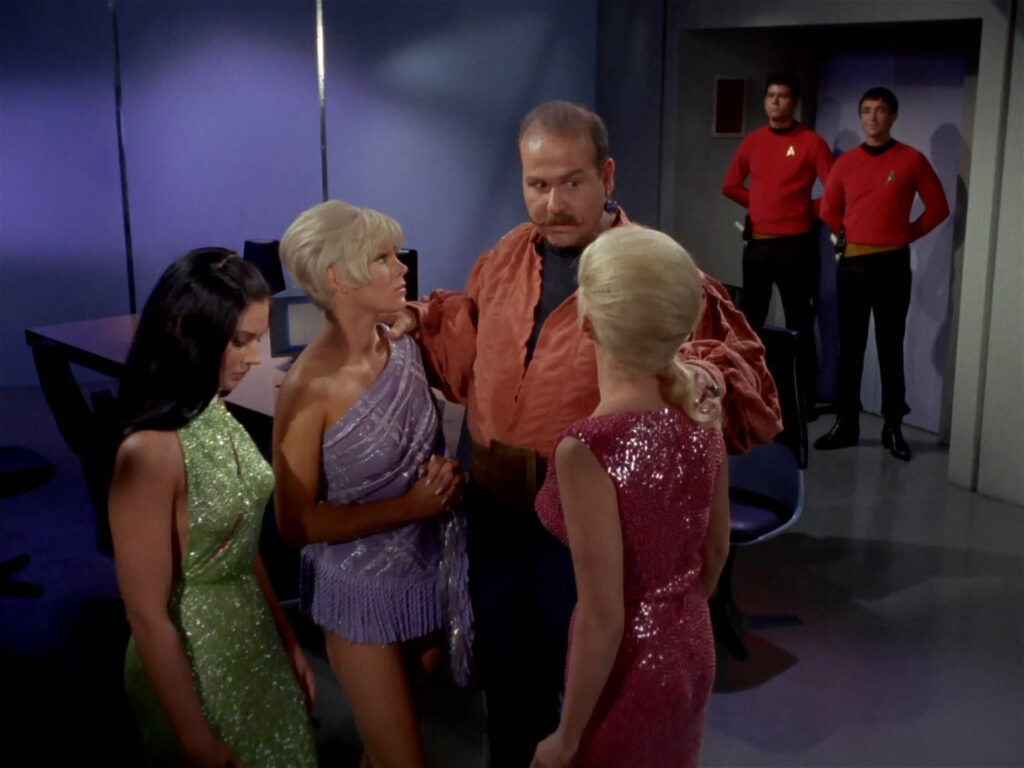
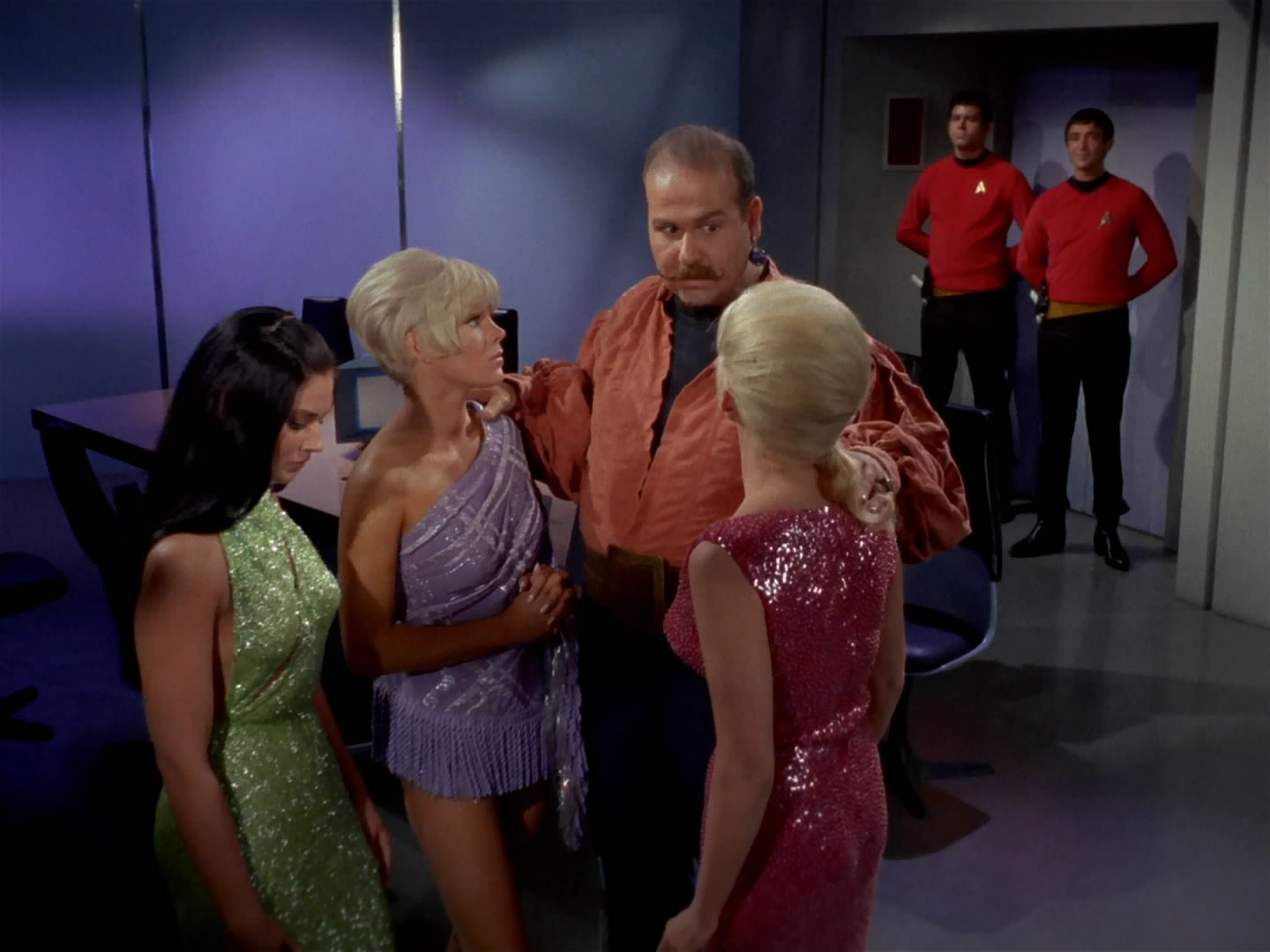
Looked at strictly through a modern lens, the episode is jarring. The premise places an interstellar scoundrel at the centre of what amounts to a mail-order bride trafficking operation, his three women sustained by a youth-and-beauty drug called the Venus Pill, and the whole thing is packaged in shimmering costumes, dramatically choreographed entrances, and dialogue leaning hard into space-age seduction conventions. None of that disappears when you contextualise it. I’m not offering context as an excuse for any of it.
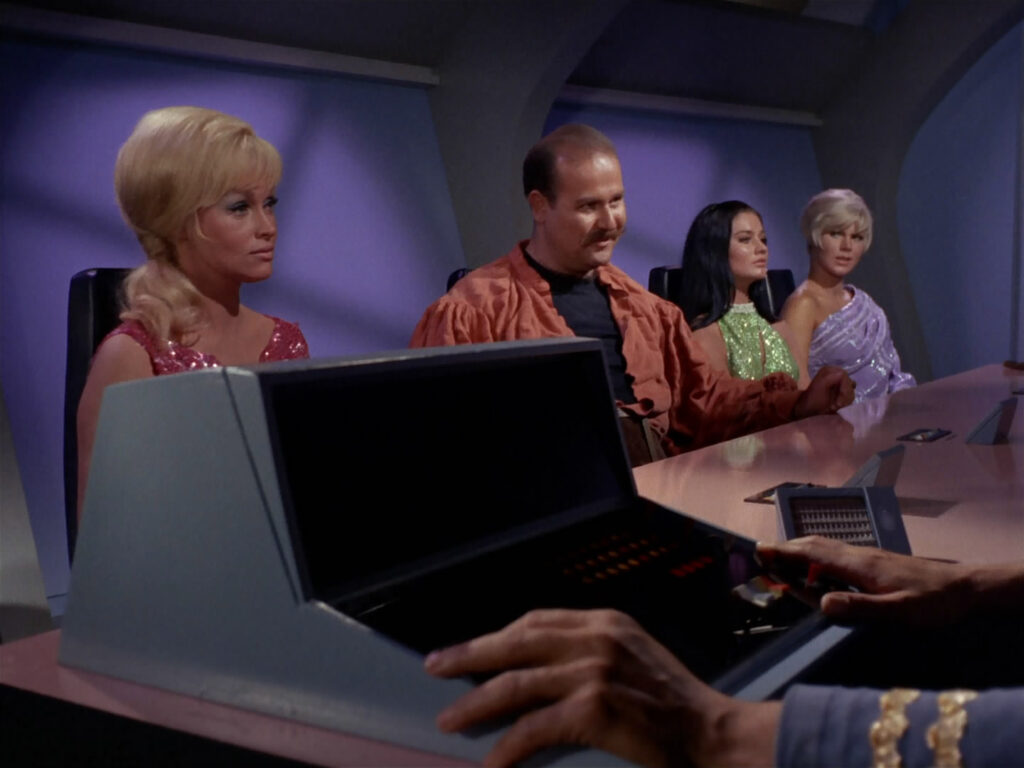
It’s entirely possible to acknowledge those elements honestly, even to condemn them, and still find the episode worth your time. “Mudd’s Women” was made as the sexual revolution was actively hitting popular culture, and Star Trek was doing something genuinely strange: pushing progressive boundaries with a diverse bridge crew and recycling old Hollywood glamour conventions in the same hour of television. That contradiction is visible in almost every act. It doesn’t resolve cleanly. That’s what makes the episode more interesting as a historical document than its reputation currently allows.
None of which would matter much if the episode didn’t have Harry Mudd.
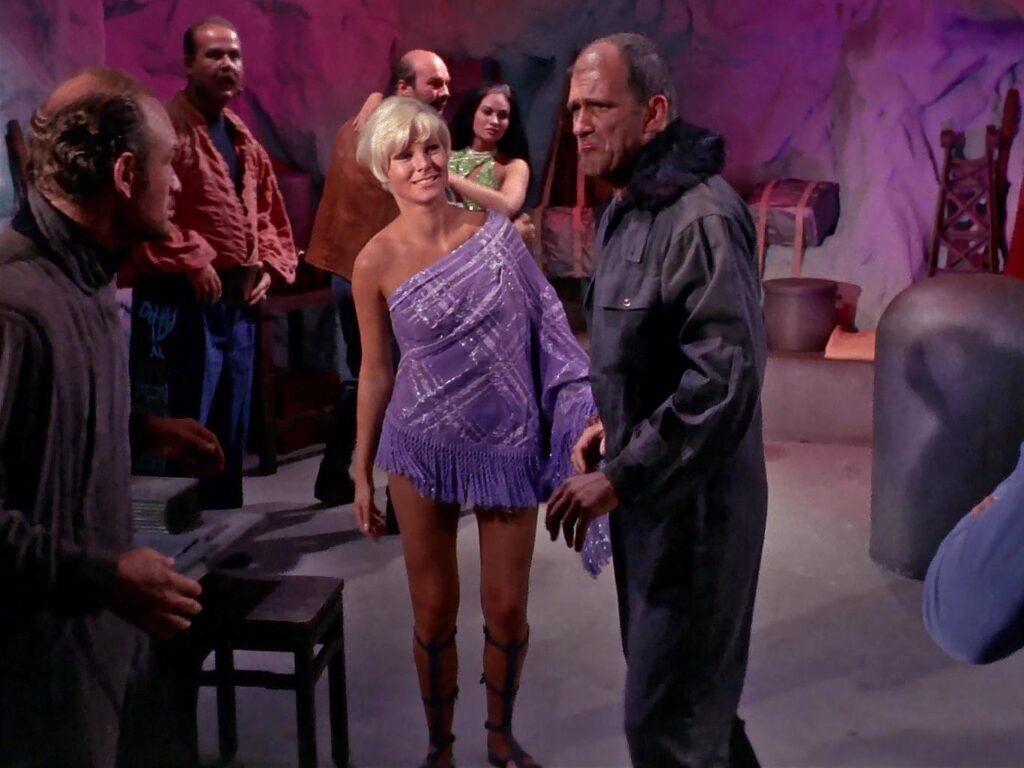
Harcourt Fenton Mudd, played by Roger C. Carmel, arrives in the series fully formed. He is sleazy, theatrical, cheerfully amoral, a grubby con man working the edges of the Federation frontier, and Carmel plays him with the specific warmth of someone who genuinely enjoys the character he’s been handed. The detail that makes Mudd interesting rather than simply repugnant: he treats the women as inventory, but without malice. He’s fond of them, in his way. That is arguably more unsettling than if he were cold about the whole business. He isn’t calculating damage. He’s never considered that damage might be the right word. Carmel makes that read as character rather than oversight. Against Kirk’s rigid military discipline, Mudd becomes the episode’s clearest proof that the Federation’s utopian future still has room for people who will exploit desperation, and that it hasn’t quite worked out what to do with them.
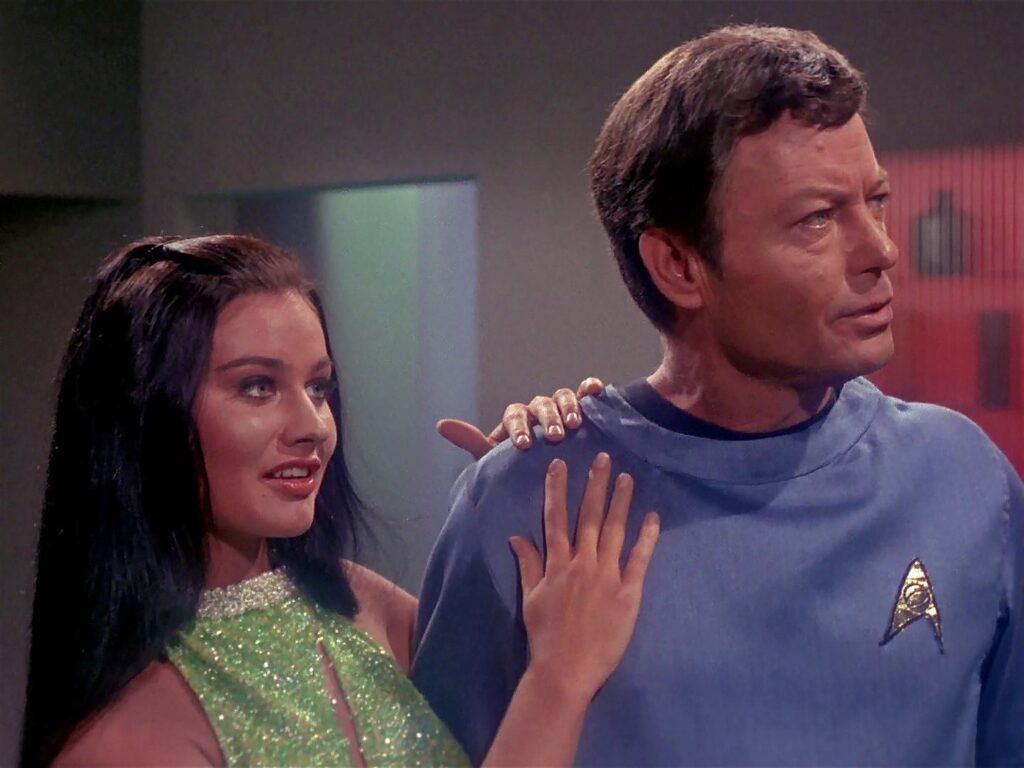
The three women are unevenly served, and that needs saying. Eve McHuron, played by Karen Steele, gets a genuine arc. Her journey from dependency toward self-belief is what the episode is actually about, and Steele earns it. Ruth and Magda are primarily decorative, which creates a real structural problem in the third act. The episode reaches for a collective moral on behalf of all three women, but only one of them has done the work to be included in that payoff. The same thinness applies to the mining colony men. Ben Childress needs to function as someone capable of seeing Eve as a person rather than a commodity at the precise moment the story requires it, but the script hasn’t built him into that. He’s plot machinery when he most needs to be a person.
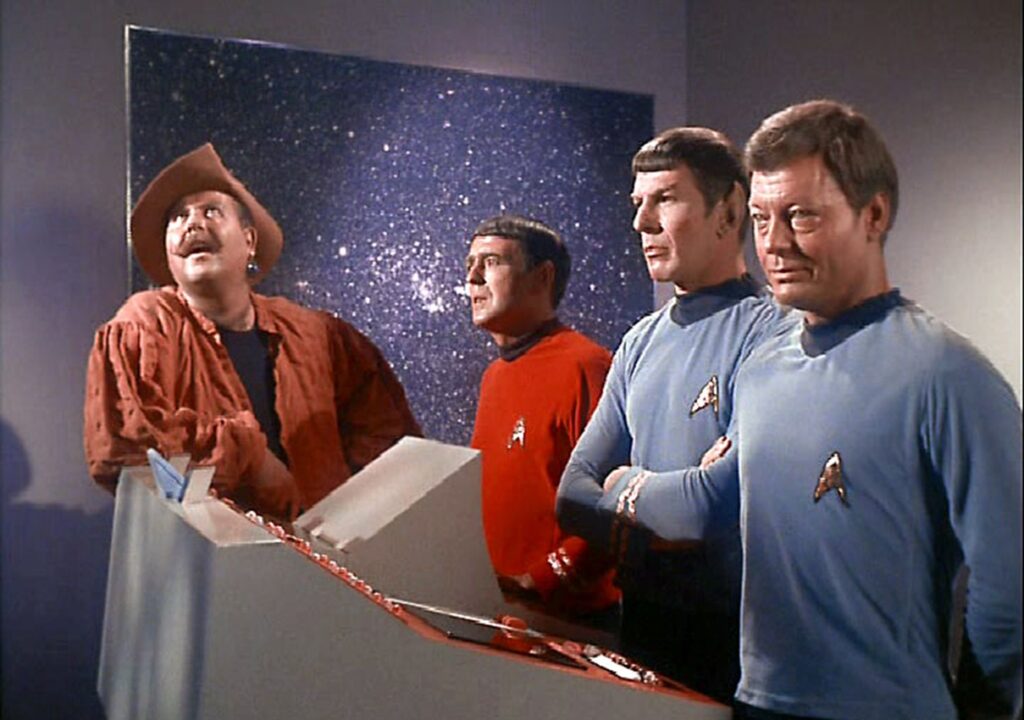
The Venus Pill reveal is where the episode earns its place in the The Original Series catalogue, and it’s what most hostile reviews rush past. When Eve swallows one of Mudd’s pills and transforms, and Kirk reveals the entire stash had already been replaced with plain gelatin, the reversal is well-constructed: the source of all three women’s power was never external. The pills were simply permission to believe it. That’s a sincerely meant argument about inner worth versus artificial expectation, and it lands. It also sits alongside the fact that the “power” in question is still fundamentally about appearing more beautiful to men, and the episode’s conception of empowerment remains tied to male approval. The sincerity is real. The limitation is real. Both are there in the same scene.
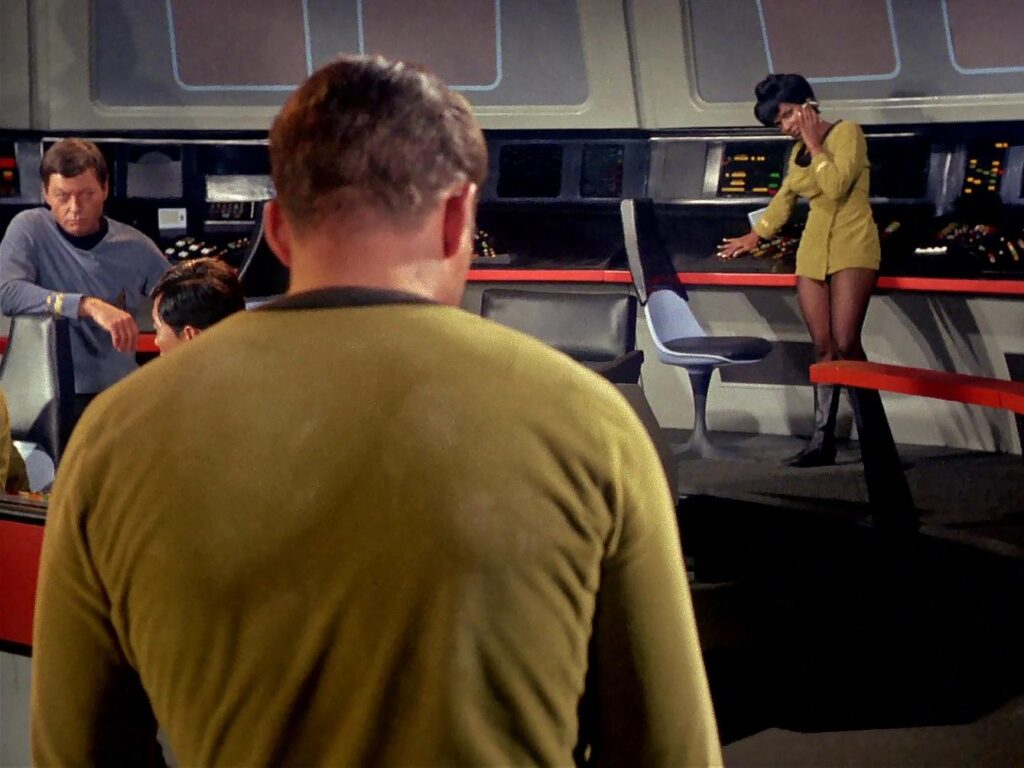
Something most reviews miss entirely: the episode runs two parallel narratives about false fuel sources. The Enterprise is operating on depleted lithium crystals failing under strain. The women are running on a substance that turns out to be empty. Both get exposed in the same act. Whether the parallel was deliberate or just good instinct, it gives the episode a coherence most readings miss.
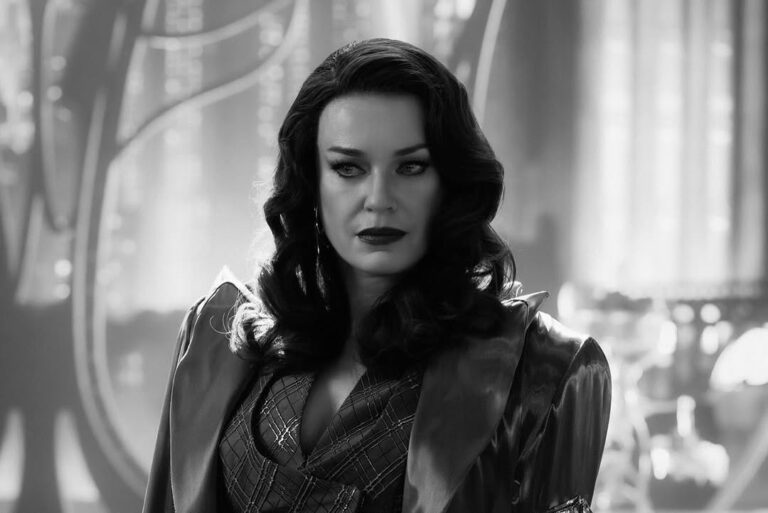
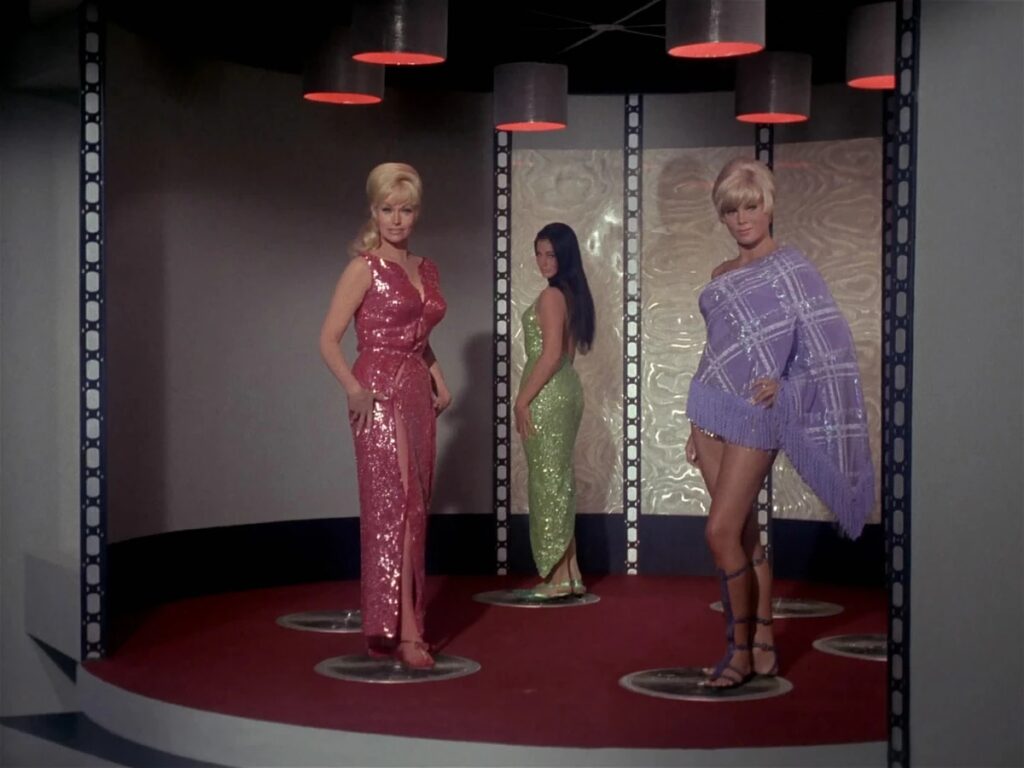
The visual language rewards attention. The choreographed entrances, the costuming choices, the deliberately staged spectacle of the women’s arrivals aboard the Enterprise: these are constructed as spectacle, and the friction between that visual language and the matter-of-fact procedural world around them is intentional. Early The Original Series knew how to build a frame before it always knew what to put in it, and this episode’s look holds up better than its reputation does.
“Mudd’s Women” is not the episode its reputation describes. It’s also not quite the progressive gem its more ardent defenders sometimes claim. It’s a flawed, fun, visually distinctive hour of television that introduced one of Trek’s first great recurring rogues, built a genuine moral argument through a structural reversal, and captured something true about where the franchise was in October 1966: ambitious, contradictory, and still working out how to reconcile its ideals with the industry producing it. That’s worth watching. The pile-on is not the last word.
7/10