-
-
-
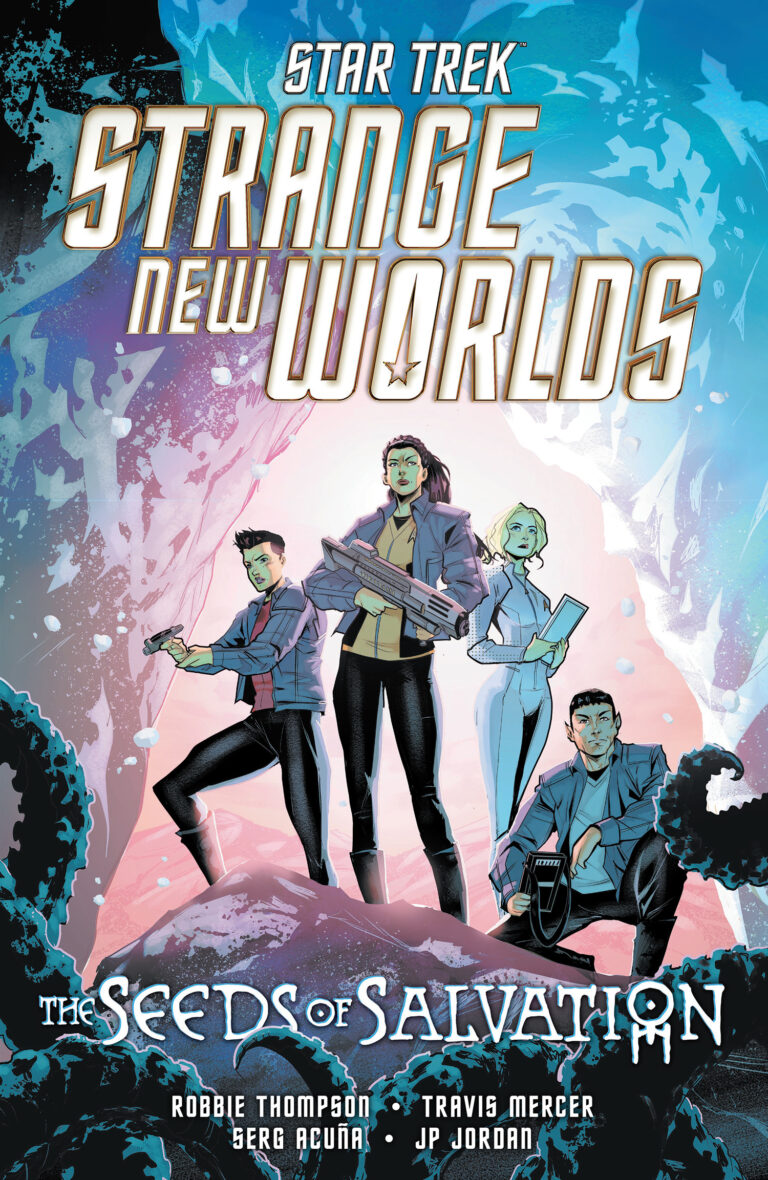
Star Trek: Strange New Worlds — The Seeds of Salvation TPB (Review)
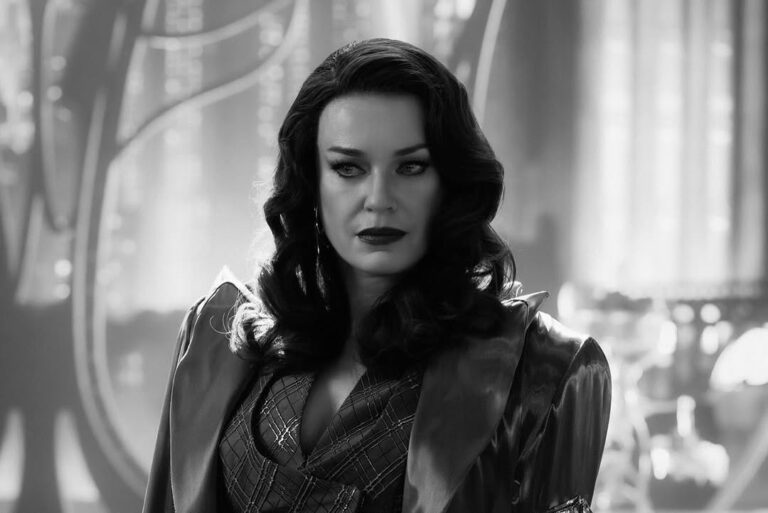
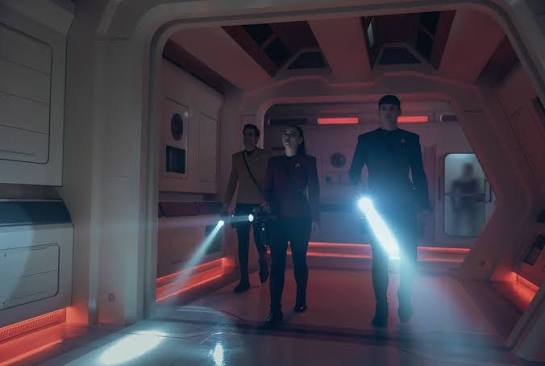
Christine Chapel leads a rescue mission into an ancient prison hidden beneath the frozen world of Poilant in Star Trek: Strange New Worlds — The Seeds of Salvation. Robbie Thompson delivers a thoughtful horror-flavoured Star Trek adventure with strong character work, impressive artwork, and a satisfying Trek conclusion, even if a mid-book art change and a few familiar tropes stop it short of greatness.
-
-
-
Star Trek: TOS – The Corbomite Maneuver (S01E10)
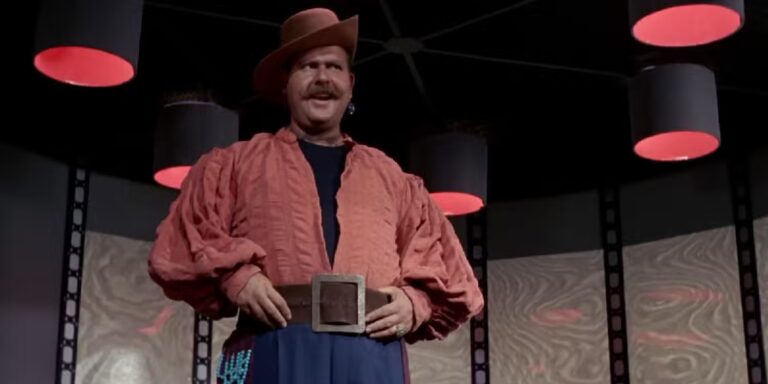
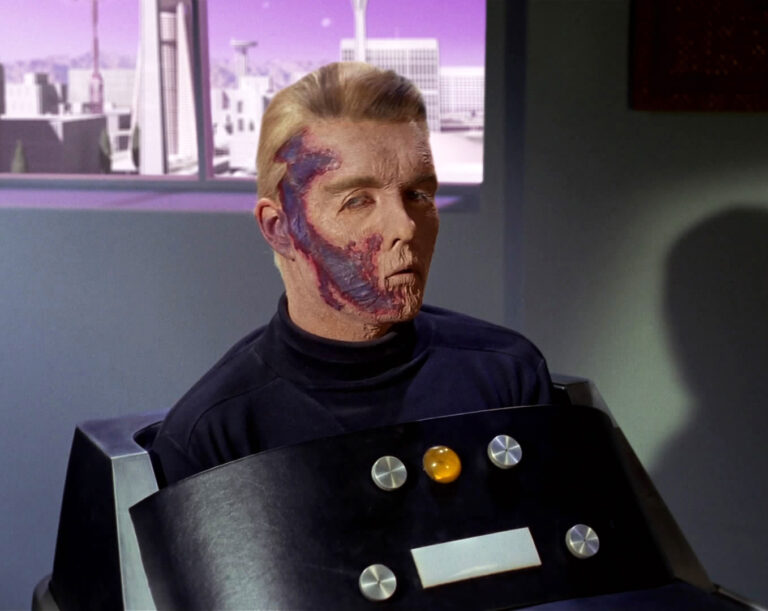
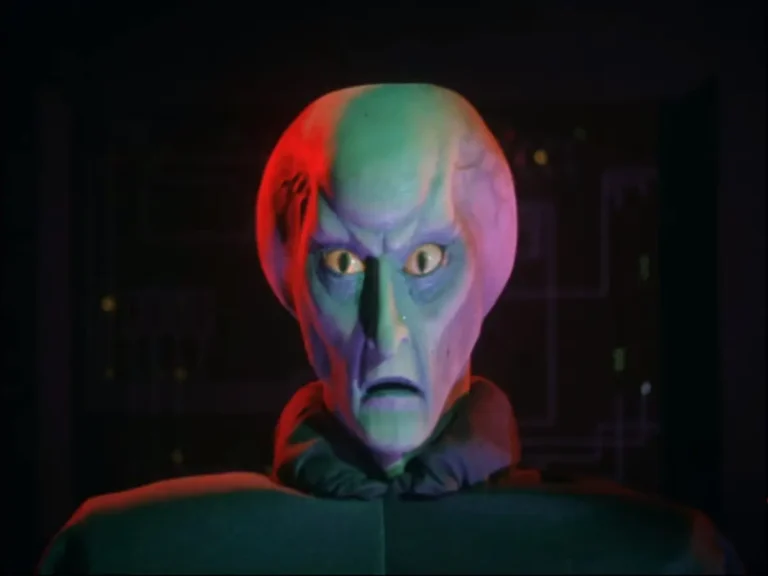
There’s a small moment early on that tells you more about this episode than the plot ever does. Spock looks at Balok’s face on the viewscreen, a snarling oversized puppet built to terrify, and instead of flinching he says one word: fascinating. Leonard Nimoy was still refining Spock at this point, and director Joseph Sargent reportedly told him to be different, be the scientist, be detached. That single word is where the Spock we all recognise really starts to emerge. It’s a quiet decision, and it tells you everything about what this episode is doing underneath the space bluff and the countdown clock.

-
The Klingons: A Code, or a Costume? (Race Spotlight)
A man stands in the Great Hall on Qo’noS, accused of a treason his father never committed, and the most powerful Klingon in the room knows he is innocent.
Chancellor K’mpec has the truth in front of him. The defence codes that allowed the Romulans to destroy Khitomer, four thousand dead in a single night, were not transmitted by Worf’s father Mogh. They were sent by Ja’rod, father of Duras, whose house carries too much weight on the Council to be touched without splitting the Empire. So the Council does the arithmetic and lets an innocent name carry the guilt. K’mpec asks Worf to swallow it, to accept discommendation and a lifetime of public shame, so that the Empire does not crack along the fault line the truth would open. And Worf does. He turns, and a hall full of warriors crosses their wrists and turns their backs on him, one by one, for a crime that did not happen.
That is the most honour-obsessed culture in Star Trek, transacting in a lie, in the one building where honour is supposed to mean something. Remember that image. Everything else here pulls against it.
-
Spock: A Bridge Between Two Worlds (Character Spotlight)
A bridge belongs to neither shore. Its purpose is to connect two places without ever becoming either of them. No character in Star Trek embodies that better than Spock.
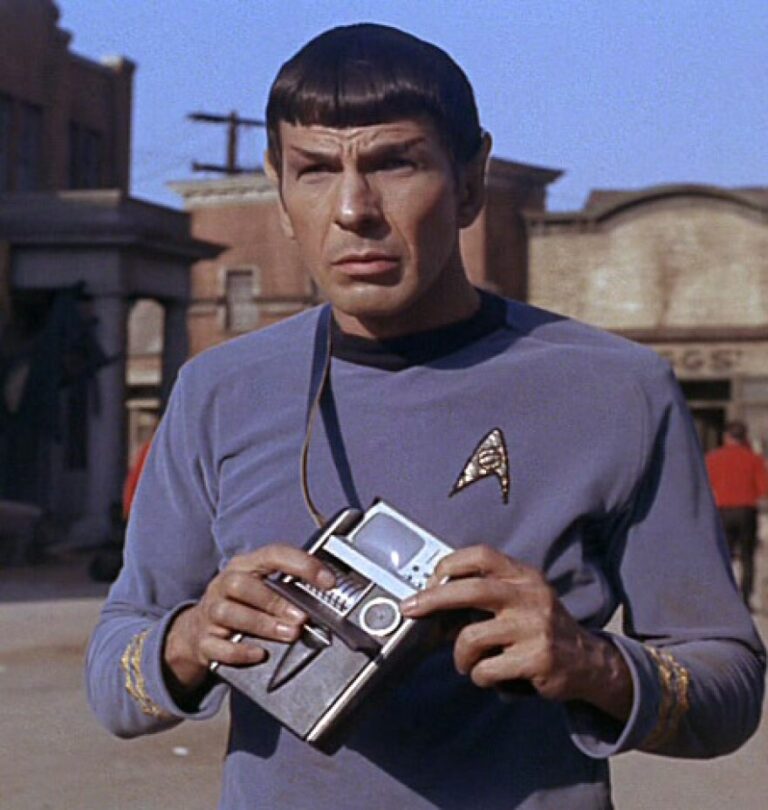
Look at the moment in “Amok Time” when he turns and sees Kirk alive. Seconds earlier he believed he had killed his captain with his own hands, in ritual combat, on the soil of his homeworld. Then Kirk walks back into the room, and the most disciplined officer in Starfleet breaks into a grin and shouts his name before he can stop himself. “Jim!” Then comes the recovery, the face reassembling itself. The grin is the man. The recovery is the officer he has trained himself to be.
-
What Makes Star Trek, Star Trek?
Try a thought experiment in two directions. Take everything people point at when they call something Star Trek: the Enterprise, the uniforms, the phasers, the Vulcans, even the Federation itself. Strip all of it out. Could a story still feel unmistakably like Trek with none of that in frame? Now run it the other way. Keep every ship, every delta, every familiar alien, and remove only the ideas underneath them. Would that still be Trek, or just cosplay with a budget? Hold both questions at once, because the gap between them is where the answer lives.
-
Star Trek: TOS — Miri (S1E08)
The children are heard before they’re seen. Voices carry down an empty street, a playground chant bounces off buildings nobody has lived in for centuries, laughter arrives with nothing funny behind it. Spock describes them scurrying away “like animals,” and for a stretch in the middle of it, “Miri” is one of the genuinely unsettling things Star Trek made in the 1960s. Long before zombies became a genre anyone could phone in, TOS built a dead suburb full of feral children and trusted the silence to do most of the work.