Star Trek: Strange New Worlds — “The Griffin Incident” (S04E02) Review
“Your little boy is going to die.”
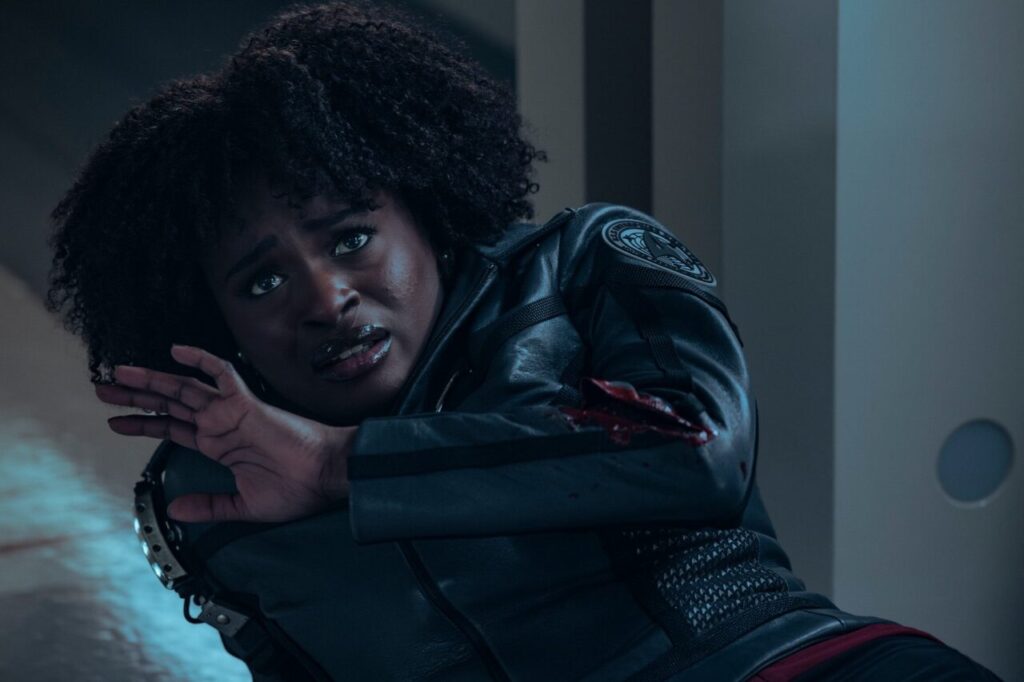
It is a chilling line, delivered by a blood-soaked La’an Noonien-Singh to a wounded James Kirk as they stumble through the corridors of the long-lost USS Griffin. She tells him exactly how David Marcus will die, decades before it happens. Kirk has no idea what she means.
We do.
That moment captures what “The Griffin Incident” does best. It turns our knowledge of Star Trek’s future into part of the horror itself. For one unsettling hour, Strange New Worlds stops treating its prequel status as fan service and instead uses it to remind us that these characters are walking towards futures they cannot possibly see.
It is a fascinating idea.
Unfortunately, the episode never quite follows through on it.
A Proper Haunted Ship
Returning from a Federation leadership retreat, Spock, La’an, and James Kirk intercept a distress signal from the USS Griffin, a Constitution-class starship that disappeared around nine years earlier with roughly 300 crew aboard.
The ship is eerily intact.
Lights still function. Personal belongings remain scattered where they were left. There are no obvious signs of battle, no bodies lining the corridors, and no explanation for what happened.
The setup immediately recalls the mystery of the Mary Celeste, replacing an abandoned sailing ship with a silent Federation starship drifting in deep space.
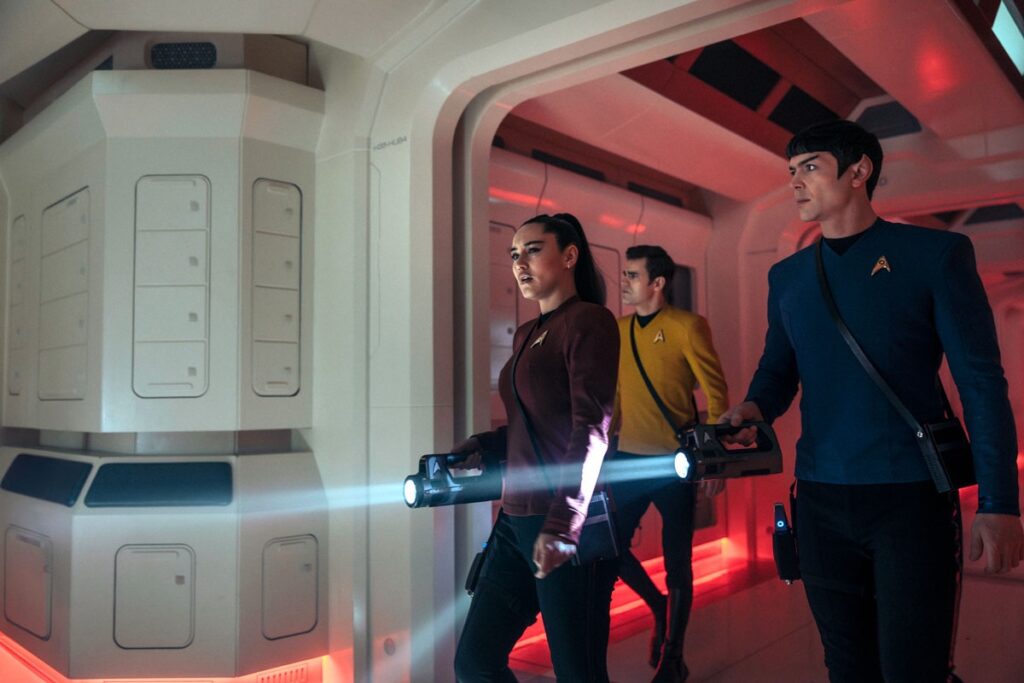
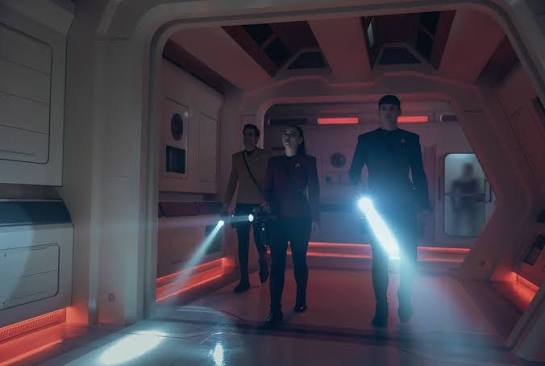
From the moment they beam aboard, director Axelle Carolyn commits completely to horror.
The Enterprise feels bright, clean, and reassuring. The Griffin feels contaminated. Rust-coloured lighting replaces the familiar blues and whites of Starfleet, corridors stretch uncomfortably into darkness, and every shadow feels as though something might already be standing inside it.
The production design deserves enormous credit.
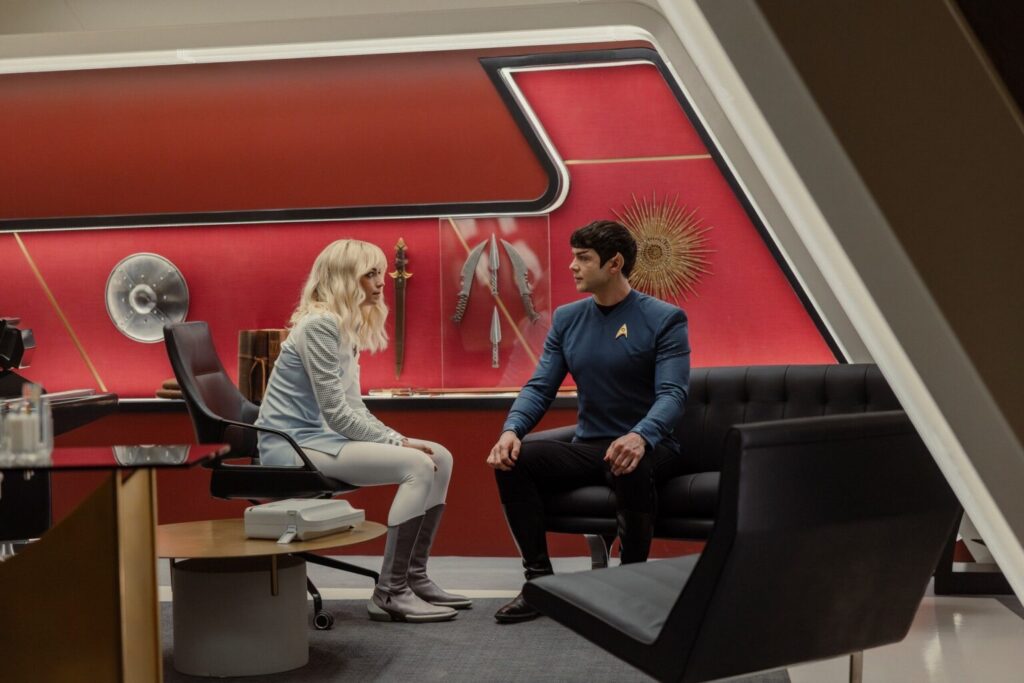
Scorched sickbay doors tell stories before a single line of dialogue is spoken. Engineering feels vast while somehow becoming claustrophobic. Empty body bags waiting in silence are somehow more unsettling than if they had been occupied.
Then the episode takes the safety rails off.
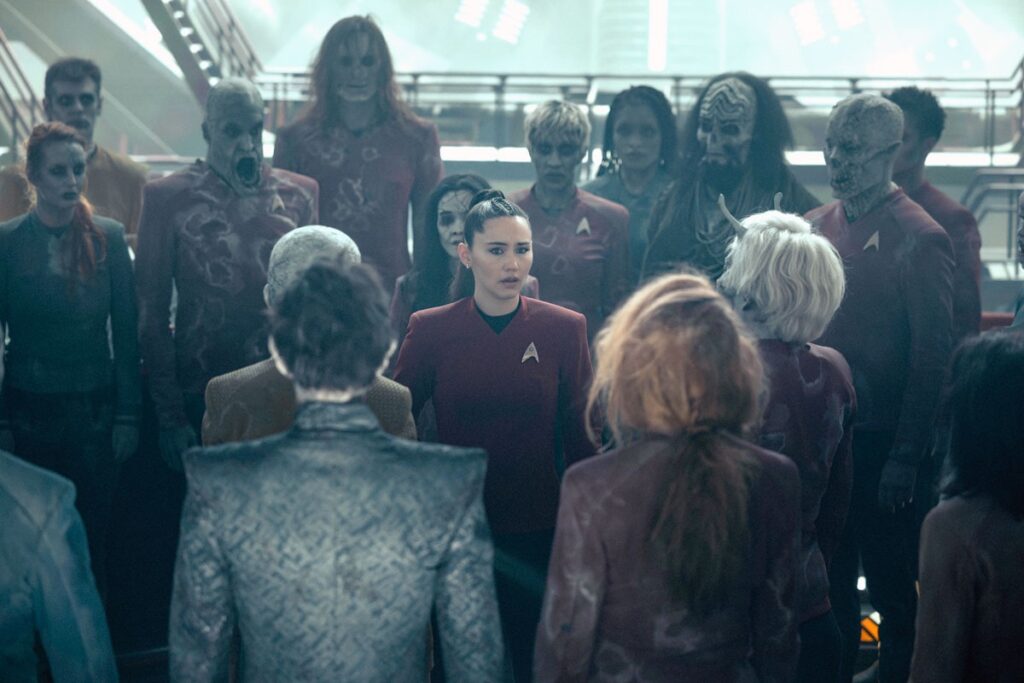
Bodies are mutilated. Blood pours across floors. Familiar faces become instruments of psychological torture. Figures drift through corridors just long enough to make you question whether you really saw them.
For a franchise that usually explains away its horror by the final act, this is one of Star Trek’s most committed attempts at the genre.
Kirk Finally Gets Something New
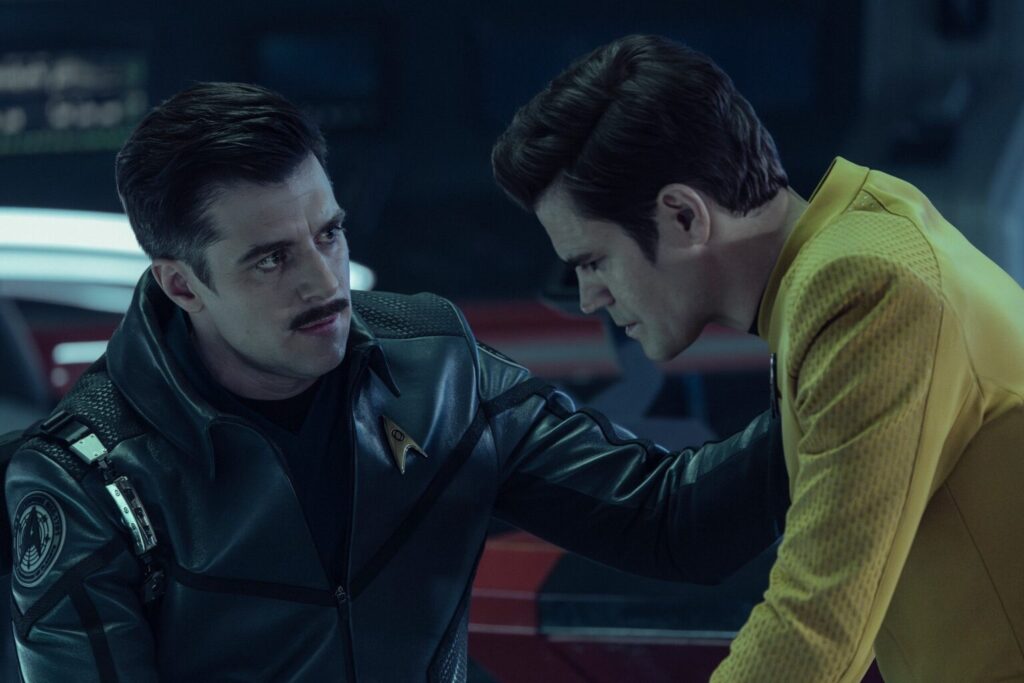
The strongest material belongs to James Kirk.
For years we’ve watched Spock wrestle with his Vulcan and Human heritage. We’ve explored Kirk’s ambition countless times. What we haven’t really seen is Kirk the father.
Or perhaps more accurately…
Kirk trying to be one.
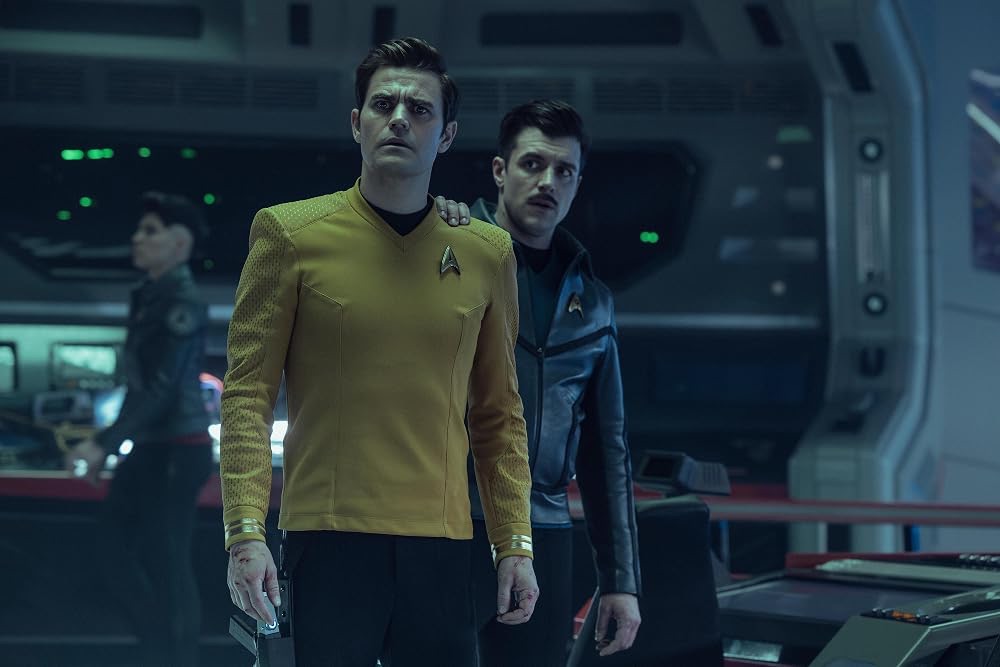
Carol Marcus has recently given birth to David, and Kirk is already struggling to balance Starfleet with fatherhood. Every decision he makes feels understandable. He misses time with David for the leadership conference, then immediately volunteers to investigate the Griffin, delaying his return home even further.
The clever thing is that the episode never paints him as a bad father.
He genuinely wants to do better.
He simply keeps finding another mission.
Another responsibility.
Another reason why this time is different.
That feels painfully believable.
It also quietly enriches Star Trek II: The Wrath of Khan. Carol’s famous line about Kirk staying away has always left plenty unsaid. Rather than rewriting established canon, “The Griffin Incident” begins exploring how two people could realistically arrive at that heartbreaking arrangement.
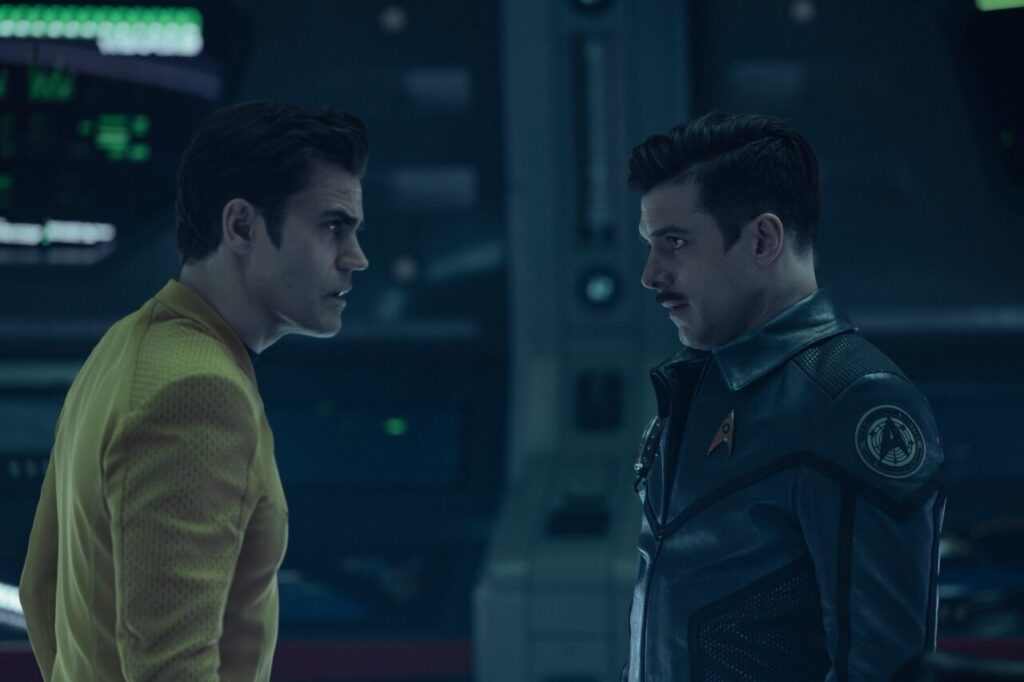
Paul Wesley delivers what is easily his strongest performance as Kirk to date.
Rather than trying to imitate William Shatner, he simply plays a younger man beginning to discover that greatness often comes with personal costs.
Powerful Images, Familiar Ground
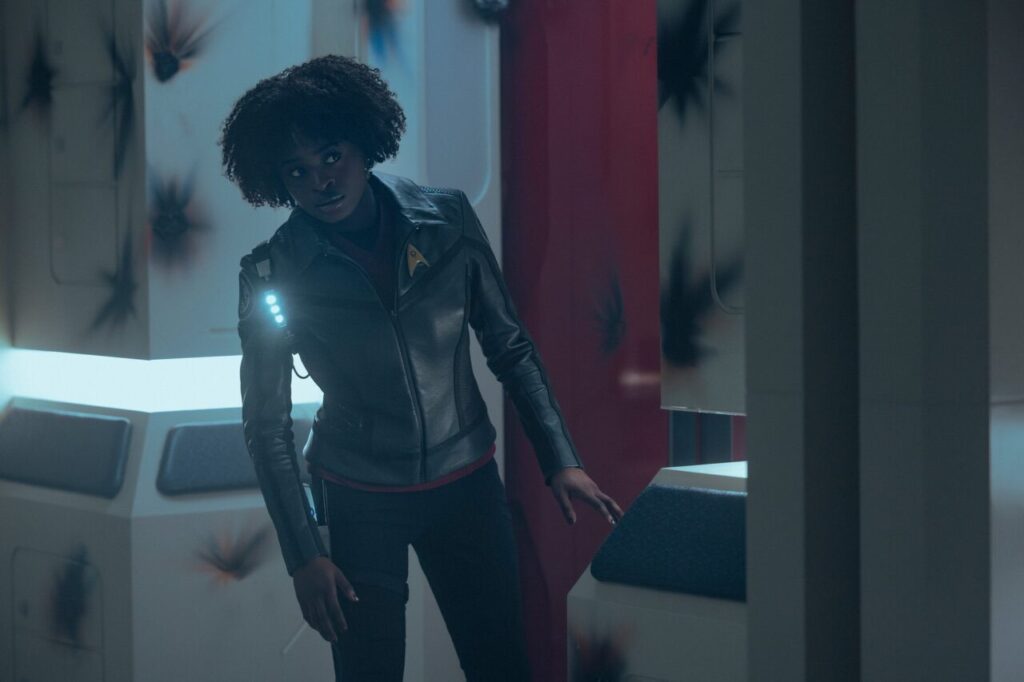
Spock’s story produces the episode’s single most unforgettable image.
T’Pring appears in sickbay, restrains him, and calmly cuts the points from his ears.
It is grotesque.
The imagery inevitably invites comparisons with forced assimilation and the erasure of identity. Rather than simply discussing Spock’s divided heritage, the episode turns it into physical horror.
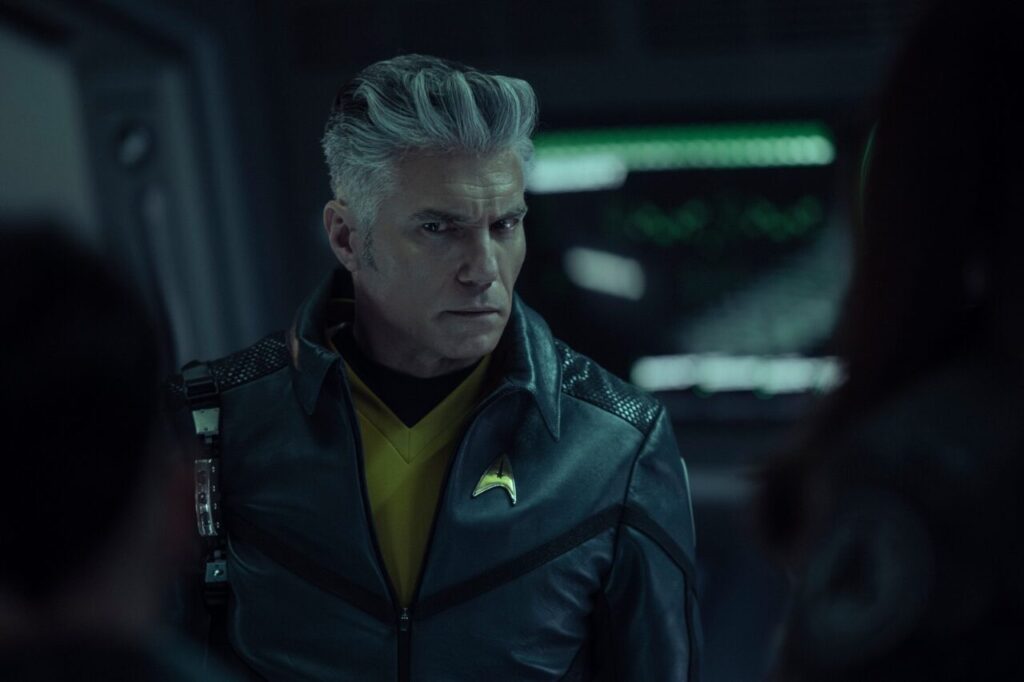
Someone who claims to love him literally attempts to reshape who he is.
It’s disturbing, memorable, and brilliantly staged.
The problem is that the emotional territory underneath it isn’t especially new.
Strange New Worlds has repeatedly explored Spock’s struggle between his Vulcan and Human identities, and while Ethan Peck continues to be excellent, this episode doesn’t really move that journey forward in a significant way.
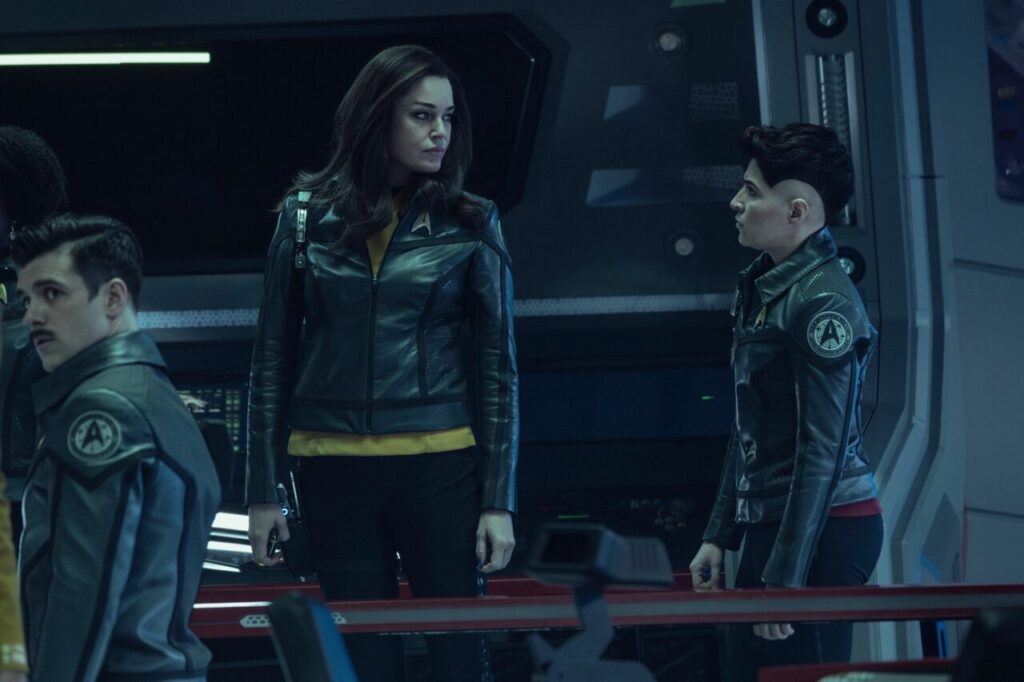
La’an fares slightly better.
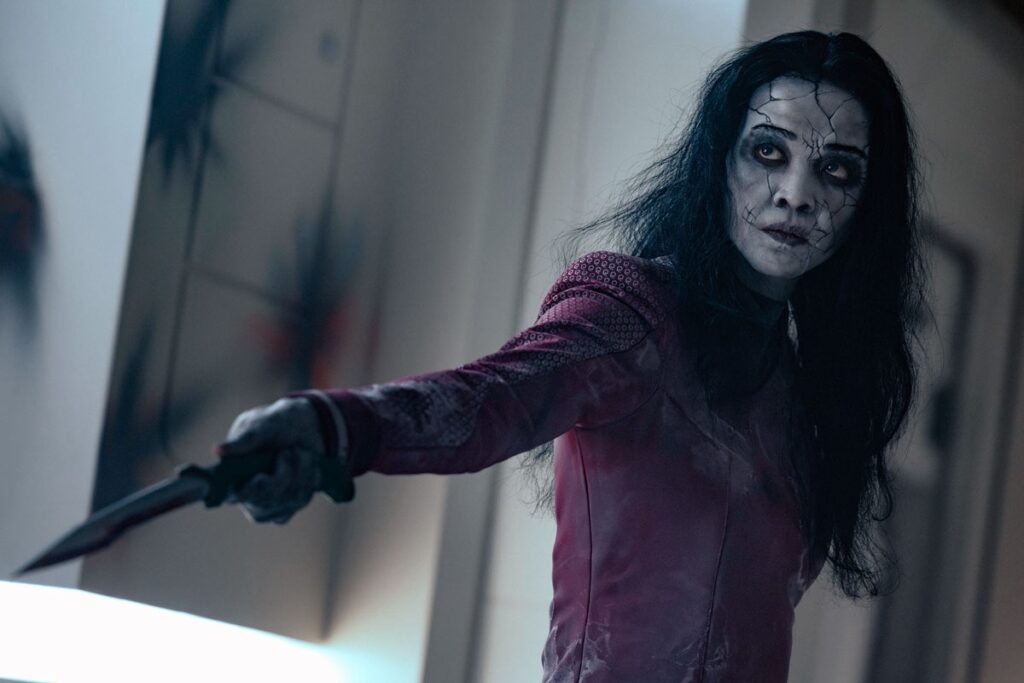
Rose Harper becomes a twisted reflection of everything La’an fears she might become if her inherited Augment genetics ever took control.
Christina Chong is superb throughout. She never plays La’an as simply possessed. Even after stabbing Kirk, there are flashes of the disciplined officer still trapped underneath whatever has taken hold.
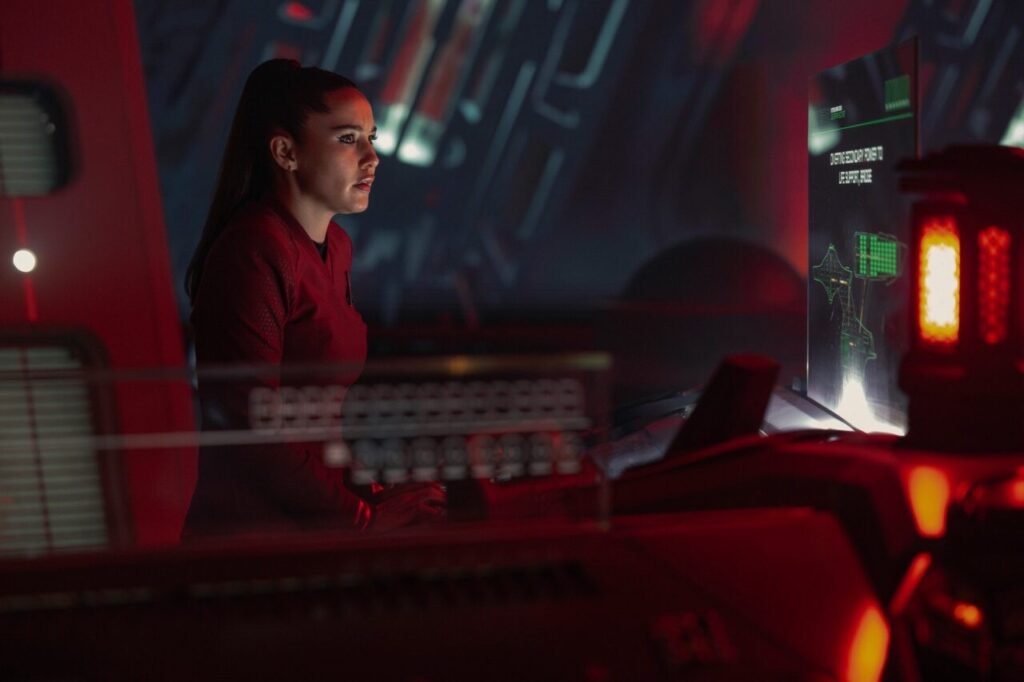
Her story also feels deliberately unfinished.
Whether that’s satisfying will probably depend on where the season takes her next.
The Question That Never Gets Asked
Up to this point, I was genuinely enjoying myself.
Then the episode reaches the point where I expected it to become Star Trek.
It never quite does.

We eventually discover that Spock, Kirk, and La’an have all been hallucinating. Spock briefly sees the Griffin as it really is: a ruined ship filled with corpses rather than the version we’ve been experiencing alongside the characters.
Naturally, one question immediately follows.
Why?
Was it an alien intelligence?
A previously unknown lifeform?
An unusual neurological contagion?
Some form of spatial anomaly?
The episode never seems especially interested.
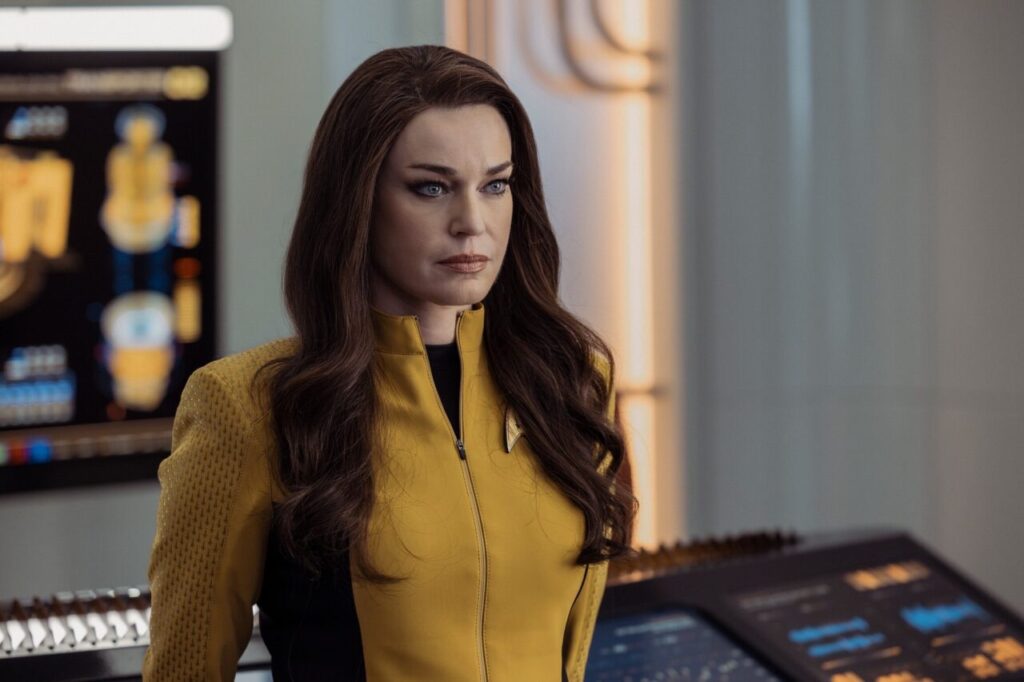
Instead, Pike explains that mysterious incidents are handed over to Division 12, Starfleet’s department for investigating unexplained phenomena.
That, for me, is where the episode loses something important.
I don’t need every mystery solved before the credits roll. Some of Star Trek’s greatest stories deliberately leave questions unanswered.
But Star Trek has always believed the universe is understandable.
Again and again, the franchise has taken things that looked supernatural and revealed advanced life, unfamiliar physics, or phenomena that simply required further investigation. The unknown has never been something to fear indefinitely. It has been something to explore.
That curiosity has always been one of Star Trek’s defining characteristics.
“The Griffin Incident” seems strangely willing to abandon it.
The emotional stories reach satisfying conclusions, but the scientific mystery is quietly handed to another department and the audience is effectively told that somebody else will deal with it.
I found that surprisingly disappointing.
Not because everything needed explaining.
Because nobody seemed particularly interested in trying.
Romance for the Sake of Romance
There is another frustration that continues to follow Strange New Worlds into almost every season.
The series seems unable to tell a story without reminding us who is romantically involved with whom.
I’m not against romance in Star Trek. Relationships have always been part of the franchise, and some of its finest episodes are deeply personal.
What frustrates me is how often those relationships now feel like an obligation rather than something the story genuinely needs.
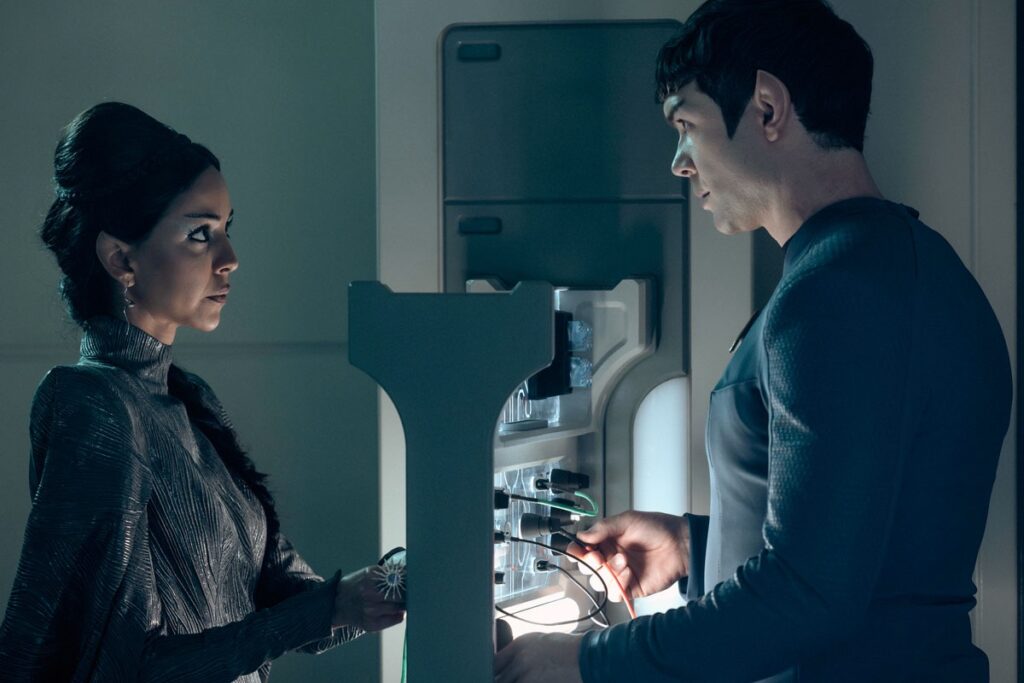
The brief kiss between Spock and La’an doesn’t deepen either character. It doesn’t strengthen the themes or raise the emotional stakes.
It simply reminds us that the subplot still exists.
After four seasons, I find that increasingly exhausting.
Sometimes I just want to spend an hour exploring strange new worlds without stopping for another romantic beat.
For me, the science fiction is already interesting enough.
Final Thoughts
“The Griffin Incident” is beautifully made.
Axelle Carolyn’s direction is exceptional. The production design transforms the USS Griffin into one of the most memorable haunted locations Star Trek has ever created, and the performances, particularly from Paul Wesley and Christina Chong, are among the strongest of the season so far.
I also admire the episode’s willingness to use prequel storytelling as part of the horror. Knowing what lies ahead for Kirk, David, Sam, and Spock gives several scenes genuine emotional weight.
There is a great episode hiding inside this one.
I enjoyed watching it.
I admired much of what it was trying to do.
I just kept waiting for the moment when the mystery became something the crew wanted to understand rather than simply survive.
That moment never arrived.
As a horror story, “The Griffin Incident” is atmospheric, unsettling, and visually striking.
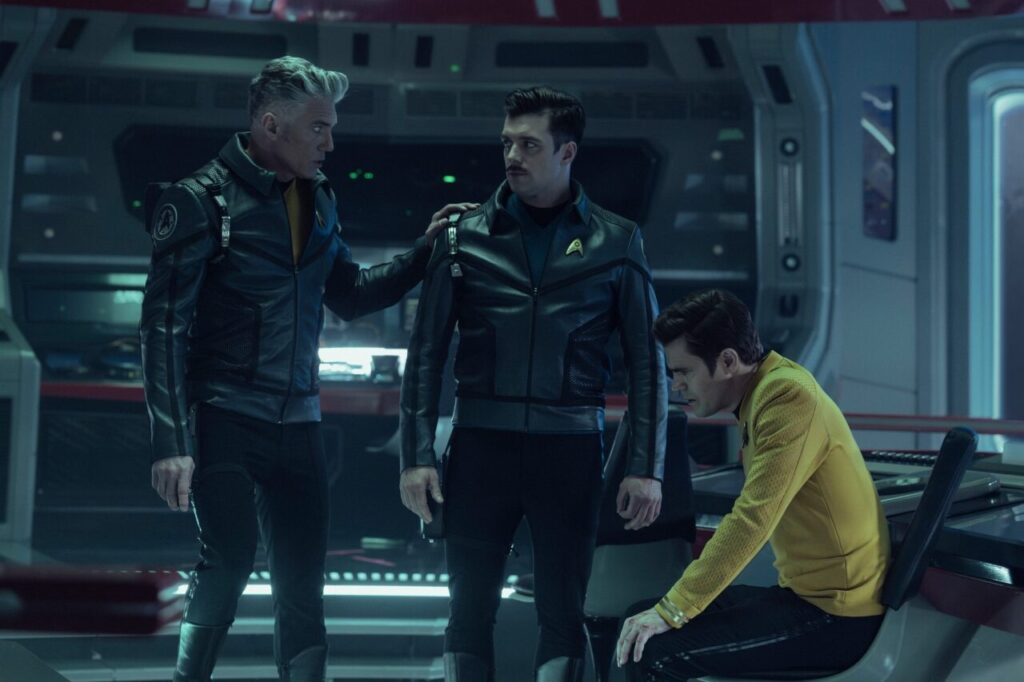
As an episode of Star Trek, I couldn’t shake the feeling that it asked exactly the right questions but seemed strangely uninterested in answering them.
For me, that makes it an enjoyable hour of television, but ultimately a disappointing piece of Star Trek.
6.5/10