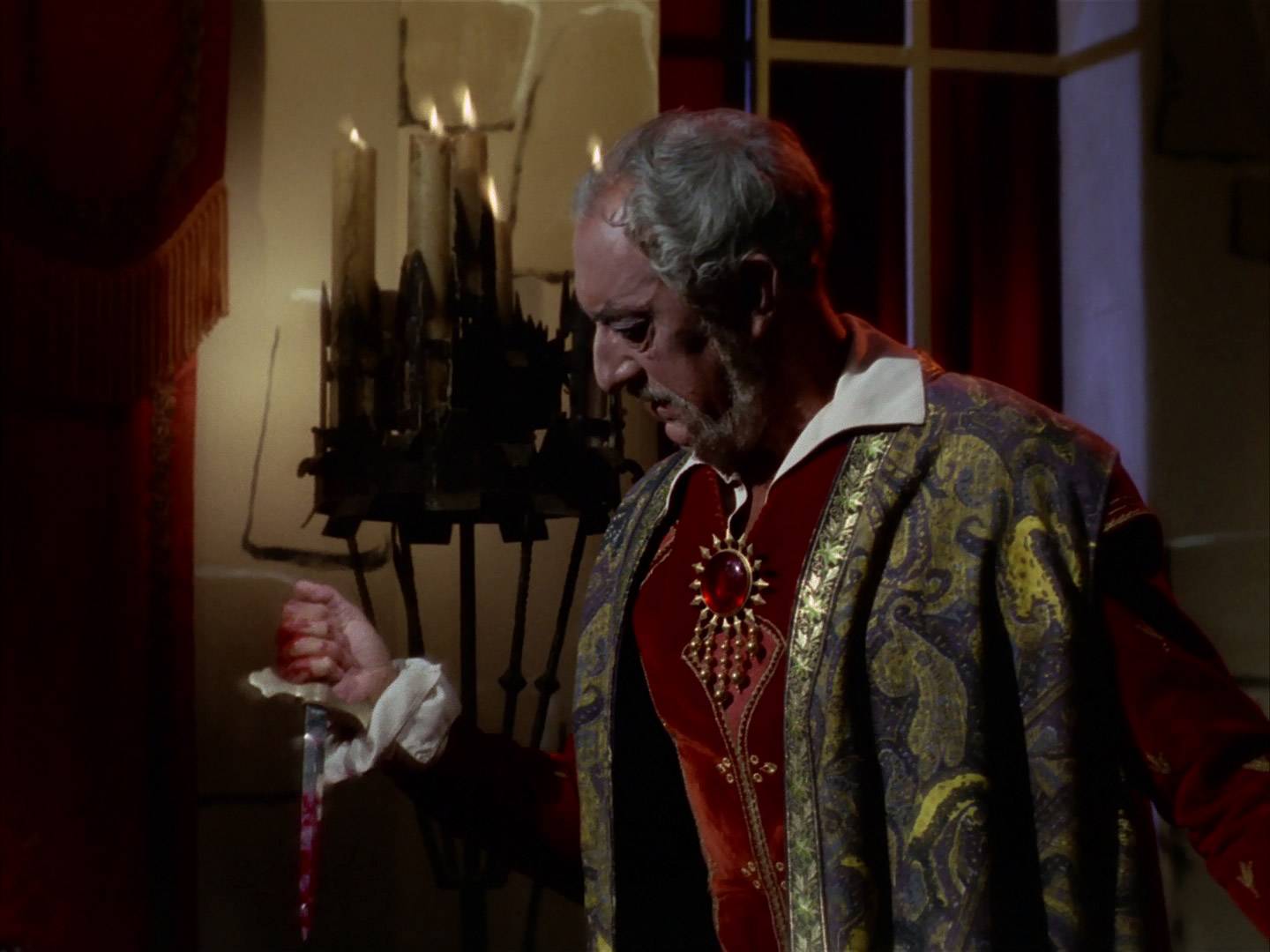
Star Trek: TOS — “The Conscience of the King” (S01E13) Review
Anton Karidian has spent twenty years pretending to be somebody else, which is rather fitting for a man who became an actor.
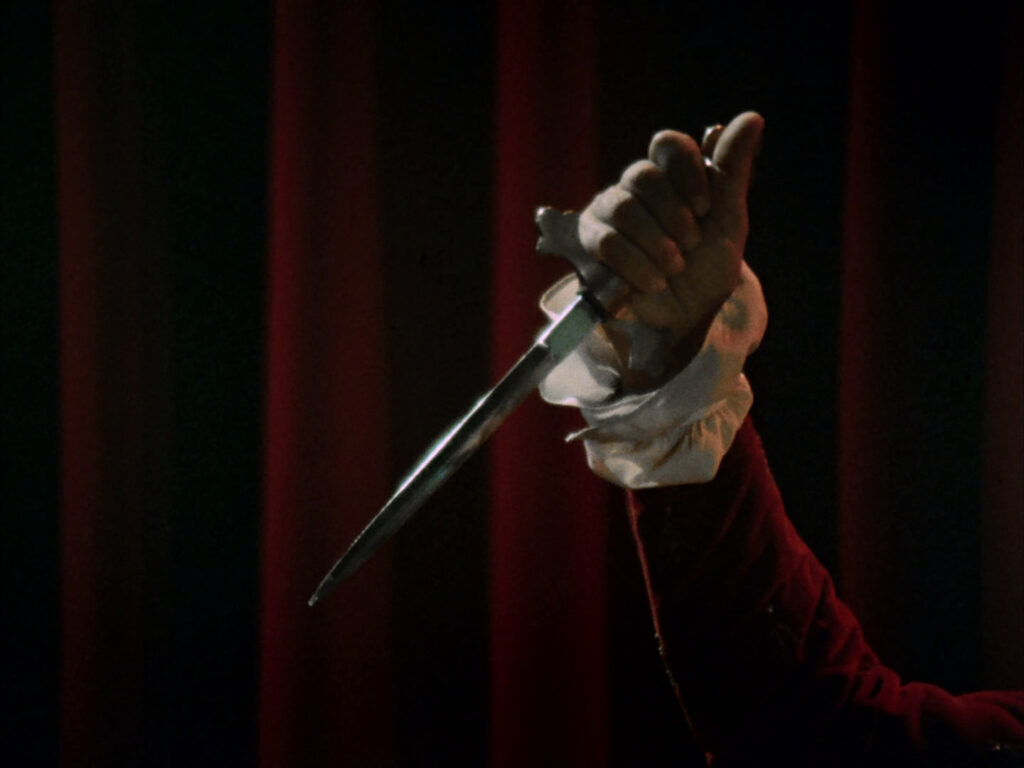
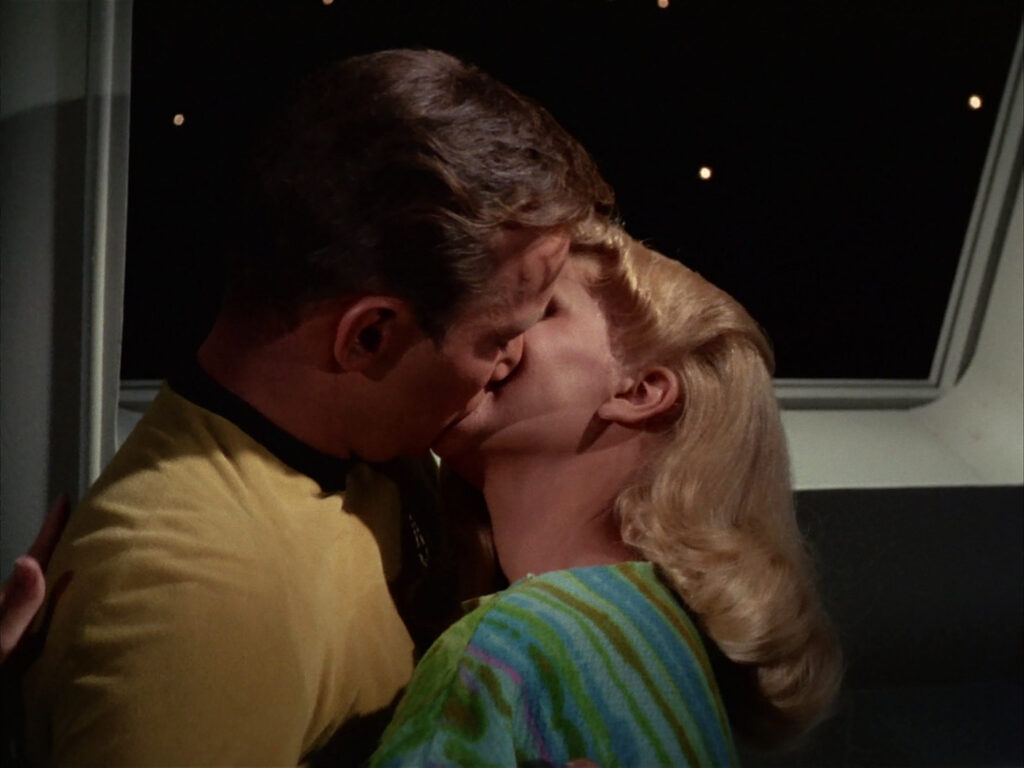
But almost everyone in “The Conscience of the King” is performing. Karidian has buried Kodos the Executioner beneath another identity. Lenore performs the devoted daughter while quietly eliminating anyone who might expose her father. Kirk charms Lenore because he wants access to Karidian, even as some of that attraction becomes real. Kevin Riley has spent years as the cheerful young officer we met in “The Naked Time,” carrying memories of Tarsus IV that can still put a phaser in his hand.
Even the Enterprise becomes a theatre.
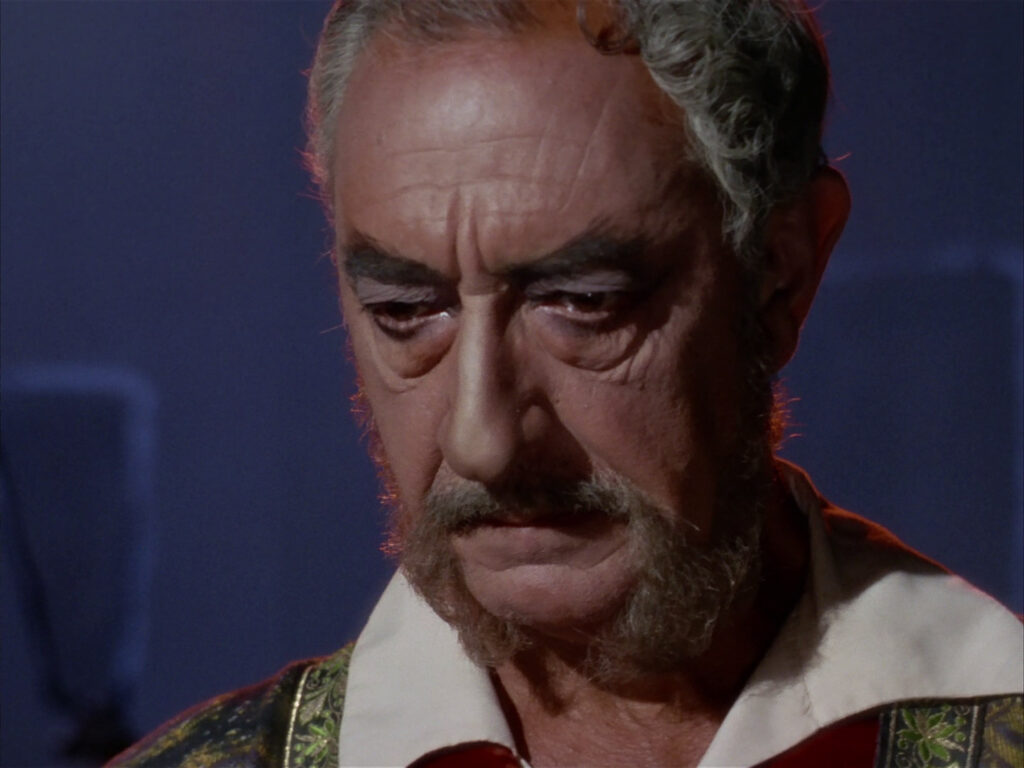
That is what makes “The Conscience of the King” work for me. This is not really a mystery about whether Anton Karidian is Kodos. The episode barely seems interested in making us seriously consider the alternative. It is about what people do when the truth about themselves becomes unbearable.
And right in the middle of it is James T. Kirk.
Twenty years earlier, Kodos governed the colony on Tarsus IV during a catastrophic food shortage. With eight thousand colonists and resources apparently sufficient for only four thousand, he decided who would survive and who would die.
Karidian describes this almost as grim arithmetic. Some had to die so others could live.
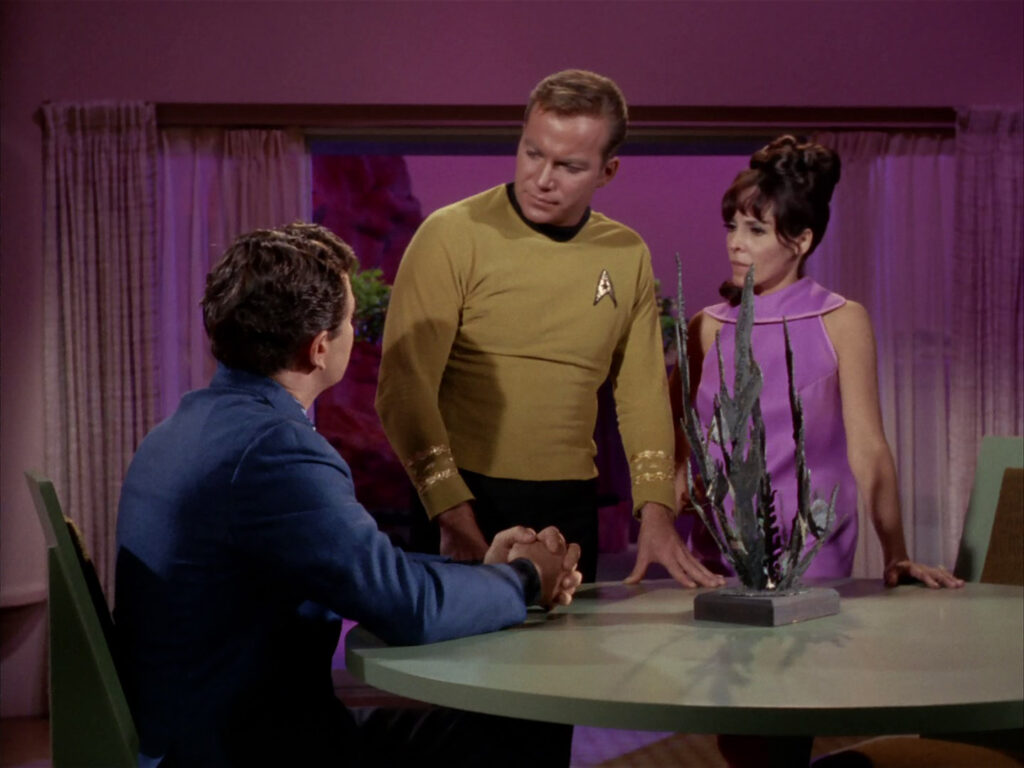
Except the episode refuses to let him hide entirely behind the mathematics. Kodos did not select his victims randomly. His decisions were influenced by his own theories of eugenics and his judgement about who deserved to survive. This is not simply the trolley problem with four thousand people standing on either track. Kodos assumed the authority to decide which human lives had greater value.
Then the supply ships arrived earlier than expected.
Karidian makes perhaps his most disturbing argument when he tells Kirk that, had those ships arrived later, history might have remembered Kodos as a hero.
He may even be right.
History has an uncomfortable habit of allowing outcomes to colour our judgement of decisions. The dead would still have been dead, but necessity might have softened the language surrounding them.
Kirk refuses him that escape.
History made its judgement.
The contemporary shadow behind all of this is difficult to miss. “The Conscience of the King” aired in 1966, only a few years after Adolf Eichmann had been captured, tried, and executed. The idea of perpetrators of wartime atrocities disappearing into ordinary life was not distant history for its original audience.
That context also makes Kirk’s hesitation more interesting.
He does not want merely to believe Karidian is Kodos. He needs to know.
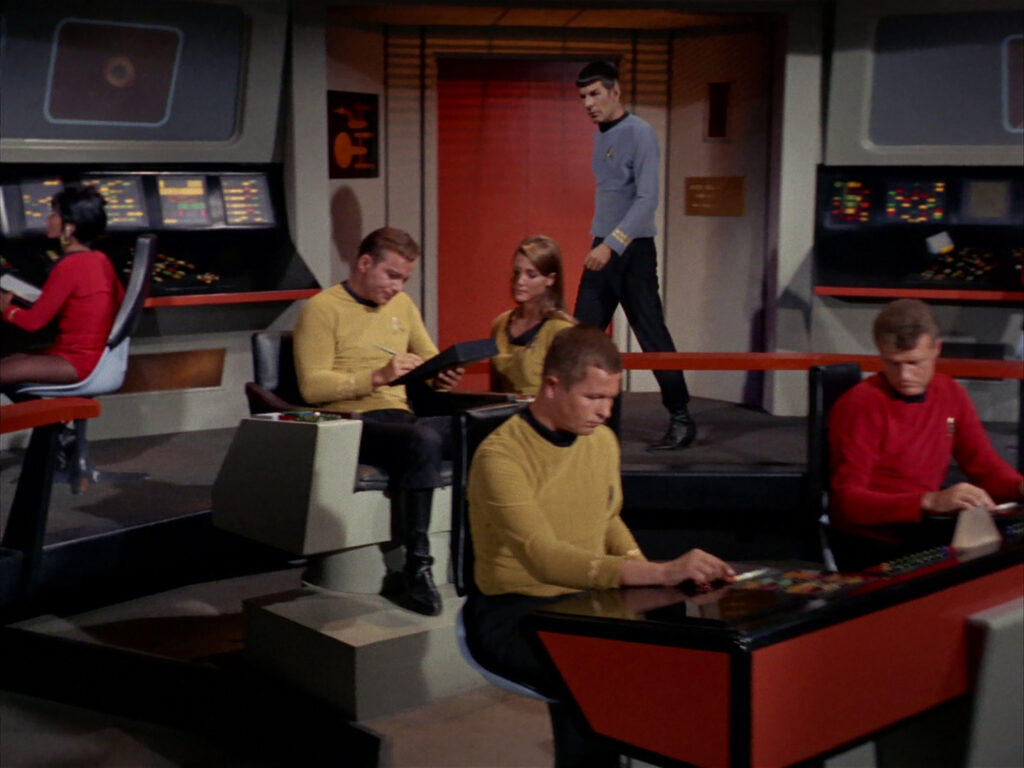
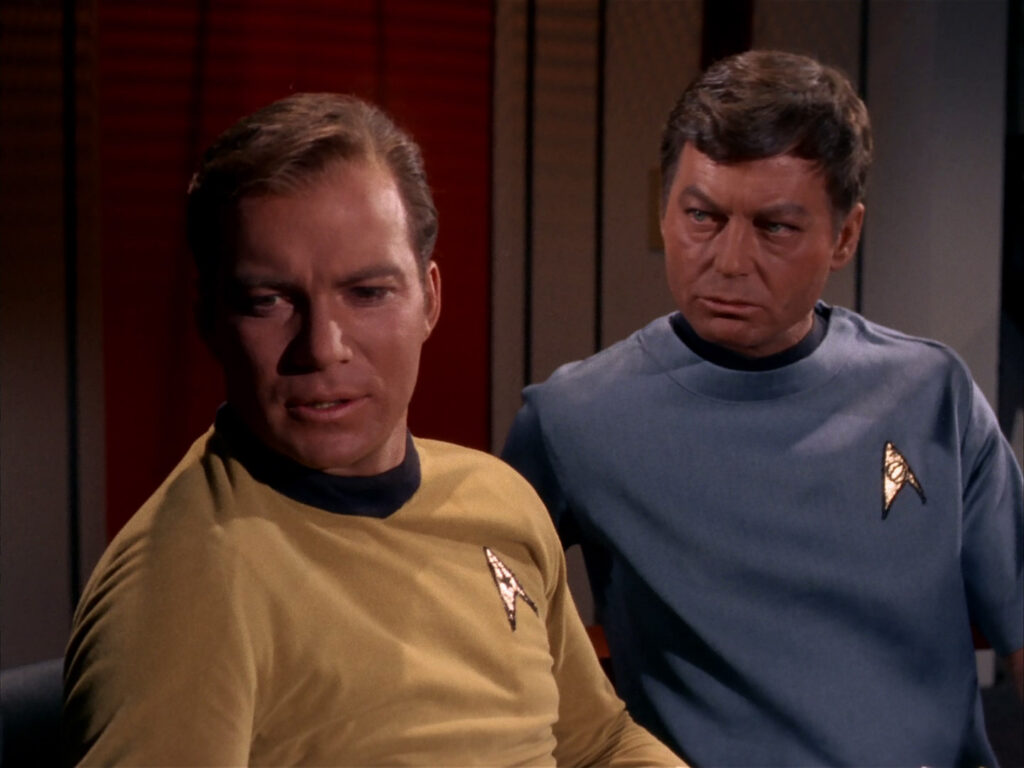
Kirk remembers Tarsus IV himself, which means he also knows that he cannot trust his own desire for an answer. When McCoy asks what Kirk intends to do if Karidian really is Kodos, whether he will carry his head through the corridors, Kirk answers that it will not bring back the dead, but they may rest easier.
It is a wonderfully uncomfortable exchange.
Kirk wants justice, but the frightening possibility is that part of him also wants revenge.
William Shatner plays that conflict beautifully. For all the caricatures of Shatner as a performer, there is remarkably little excess here. Kirk is controlled, withdrawn, and occasionally sharp with the people closest to him. You can see how carefully he is holding himself together.
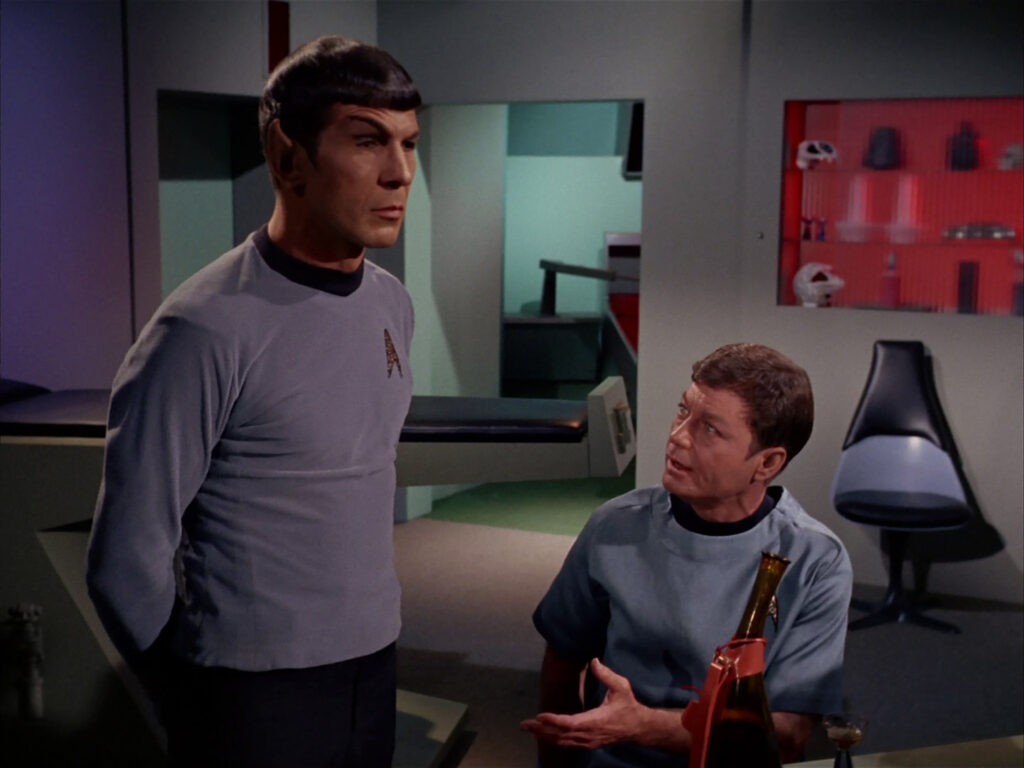
Spock and McCoy notice.
Their scenes together are some of the best material in the episode, partly because their friendship with Kirk feels as though it is still being assembled in front of us. Spock approaches Kirk’s behaviour as a pattern that does not make logical sense. McCoy sees a friend reopening an old wound. They needle one another, disagree about what Kirk is doing, then quietly close ranks around him when it matters.
This early version of the Kirk, Spock, and McCoy relationship already feels remarkably complete.
Kevin Riley gives the tragedy another human face.
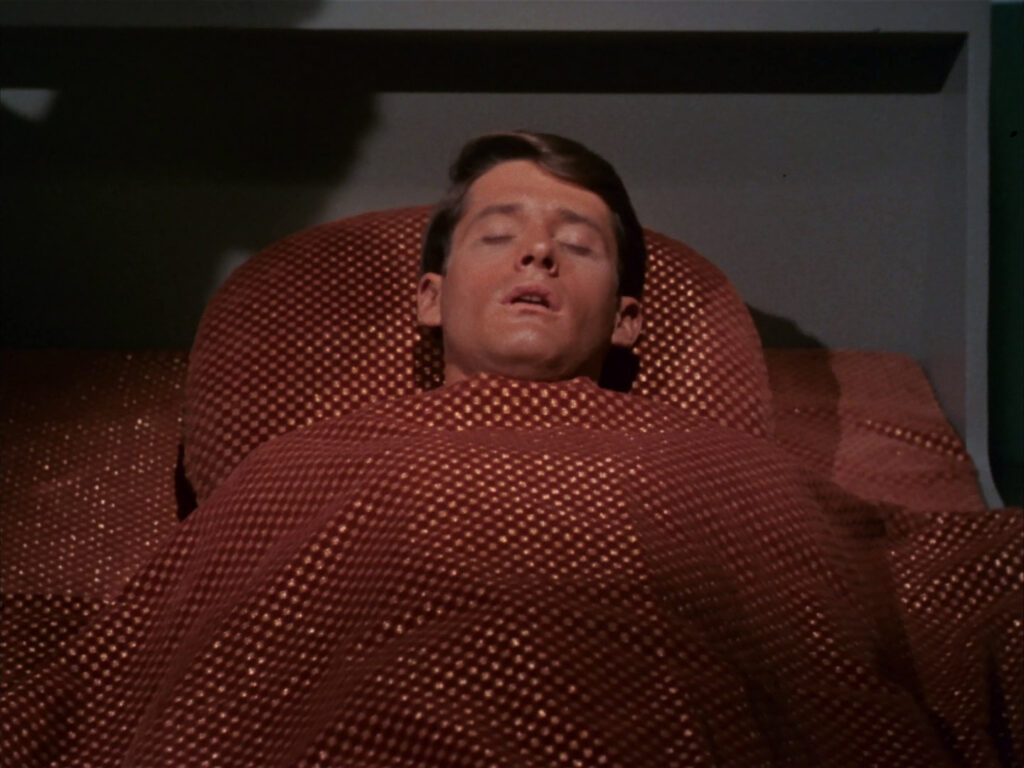
Previously, he was the man drunkenly singing “I’ll Take You Home Again, Kathleen” while taking control of Engineering. Here we discover that Riley also survived Tarsus IV and lost both his parents there.
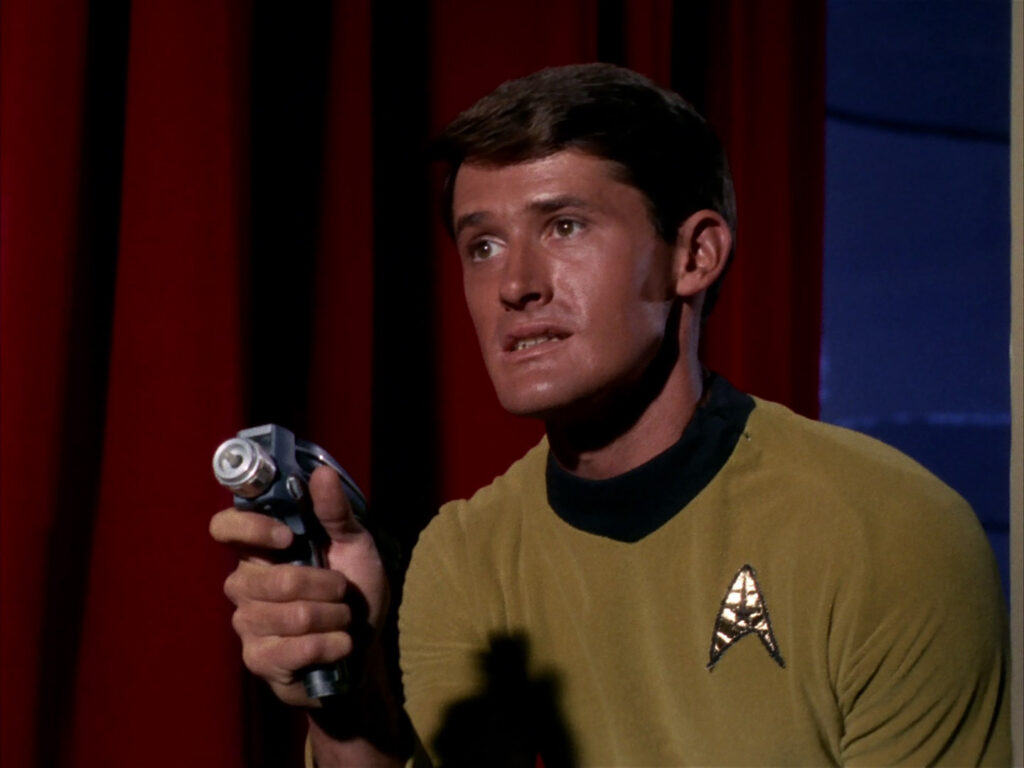
When Riley eventually takes a phaser and goes looking for Kodos, Kirk stops him.
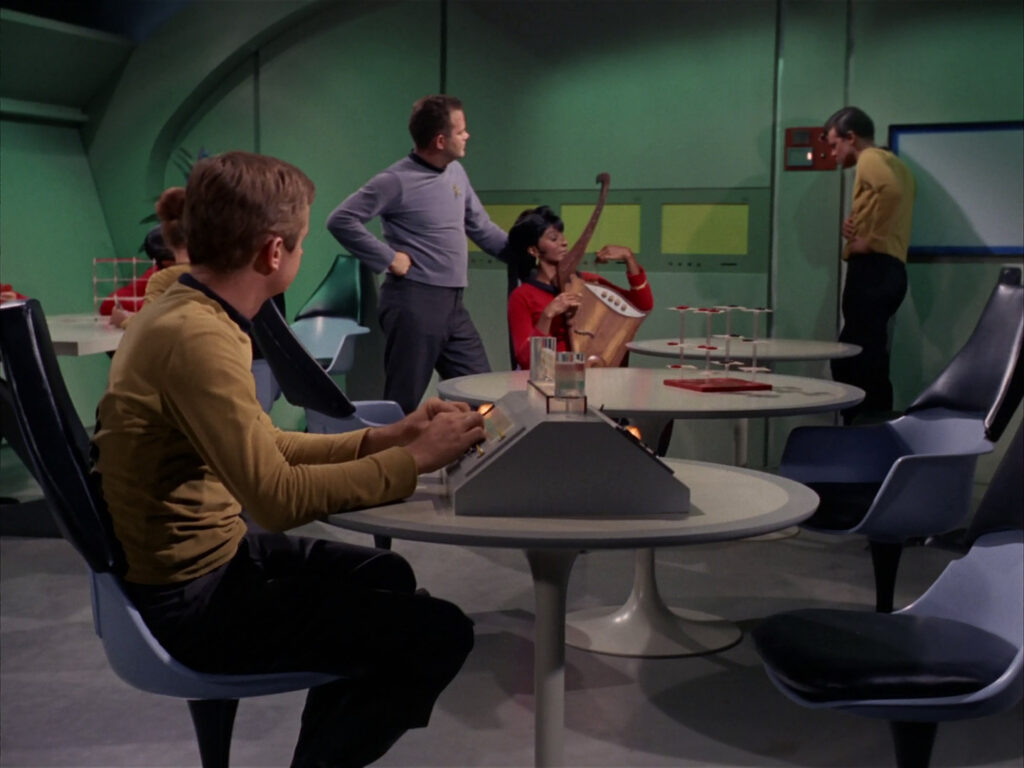
That scene becomes even better because of what is happening on stage at the same time.
Karidian is performing the ghost of Hamlet’s father, a dead man urging his son towards vengeance. Backstage, Kirk is doing the opposite. He takes Riley’s weapon away and refuses to allow another survivor to become a killer because of what happened twenty years earlier.
That is where the Shakespearean structure becomes more than decoration.
“The play’s the thing” really is the thing.
Karidian has turned his entire life into a performance. Lenore can no longer distinguish between protecting her father and protecting the fiction they have built around him. Kirk performs intimacy to uncover the truth, while Karidian performs Shakespeare as his past closes around him.
Director Gerd Oswald leans completely into that theatricality.
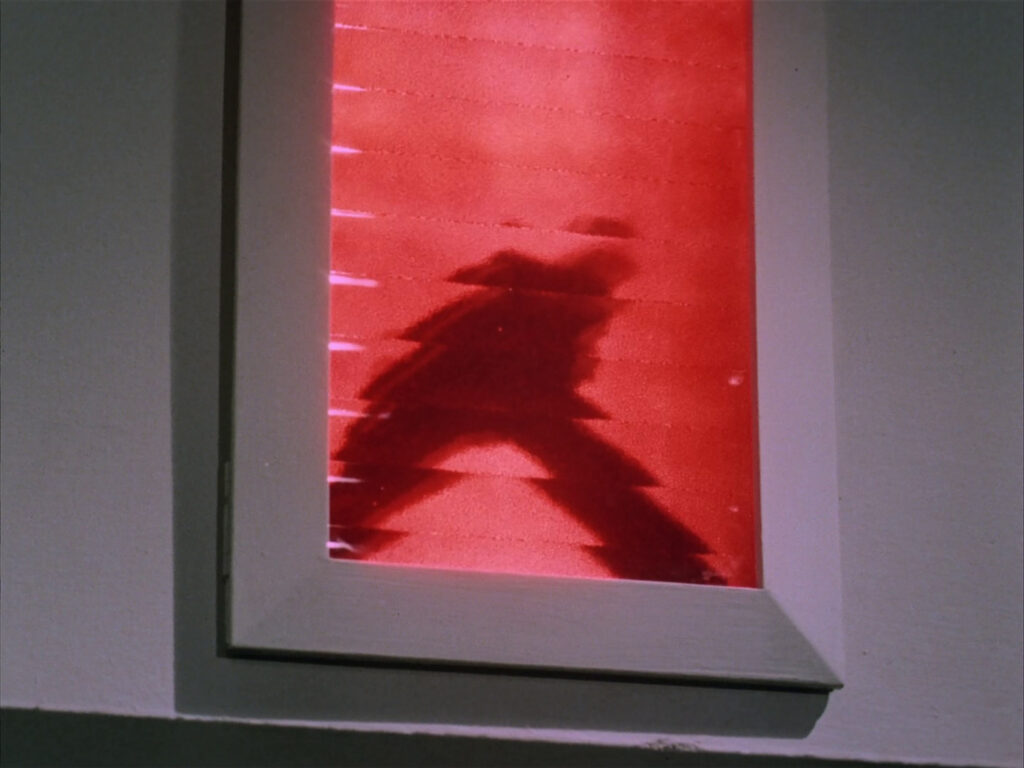
The Enterprise rarely looks like this. Corridors sit in pools of low light. The observation deck feels intimate rather than clinical. Joseph Mullendore’s score has an eerie, almost baroque quality that gives the episode its own musical identity.
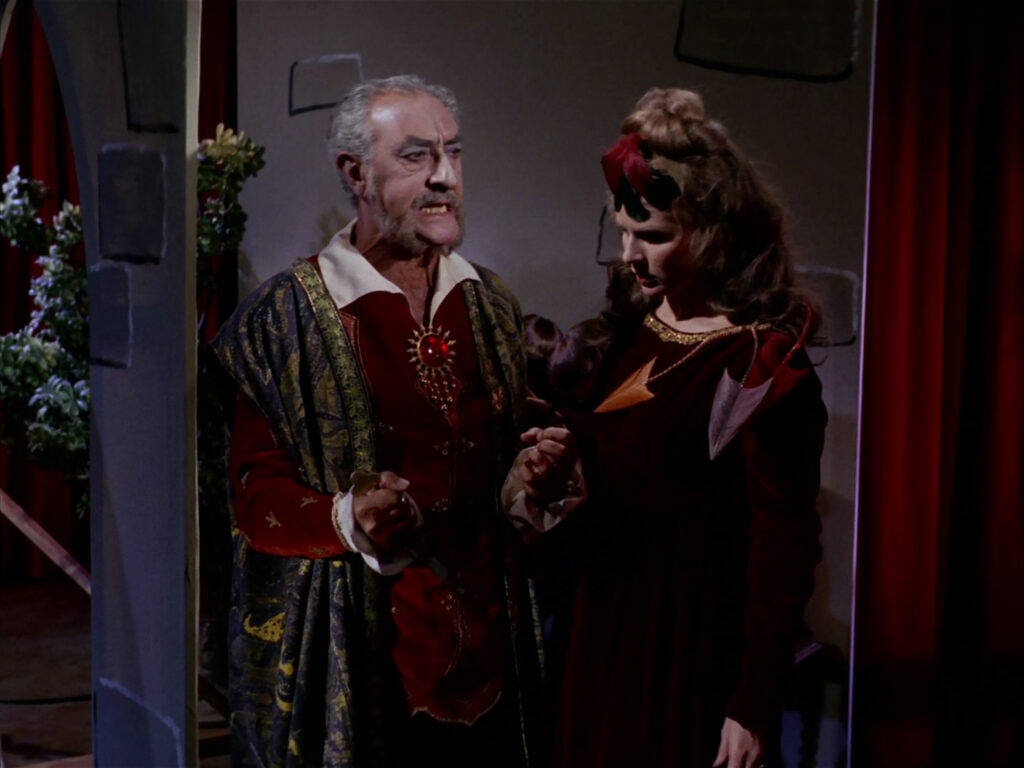
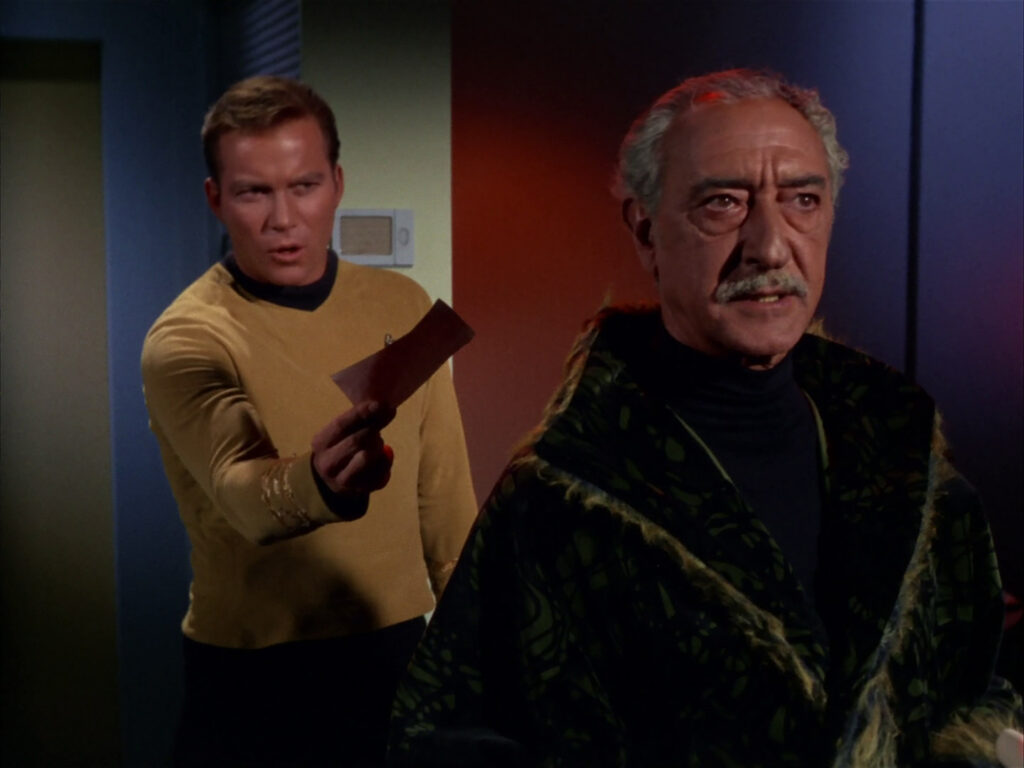
Even the heightened performances make sense within that world. Arnold Moss plays Karidian as a man who has spent decades speaking somebody else’s words, and Barbara Anderson’s Lenore increasingly seems to be acting even when there is no audience.
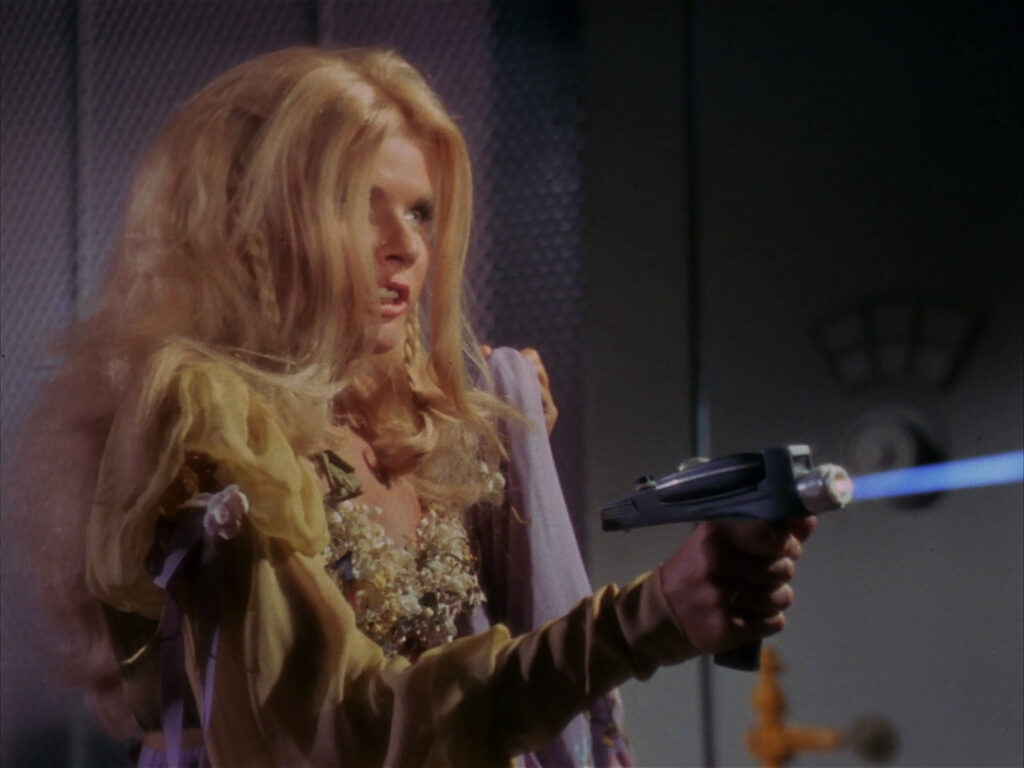
Her final close-up, eyes glittering while she holds the phaser, remains genuinely unsettling.
Unfortunately, the plotting surrounding her is less elegant.
Security aboard the Enterprise appears to have taken the week off.
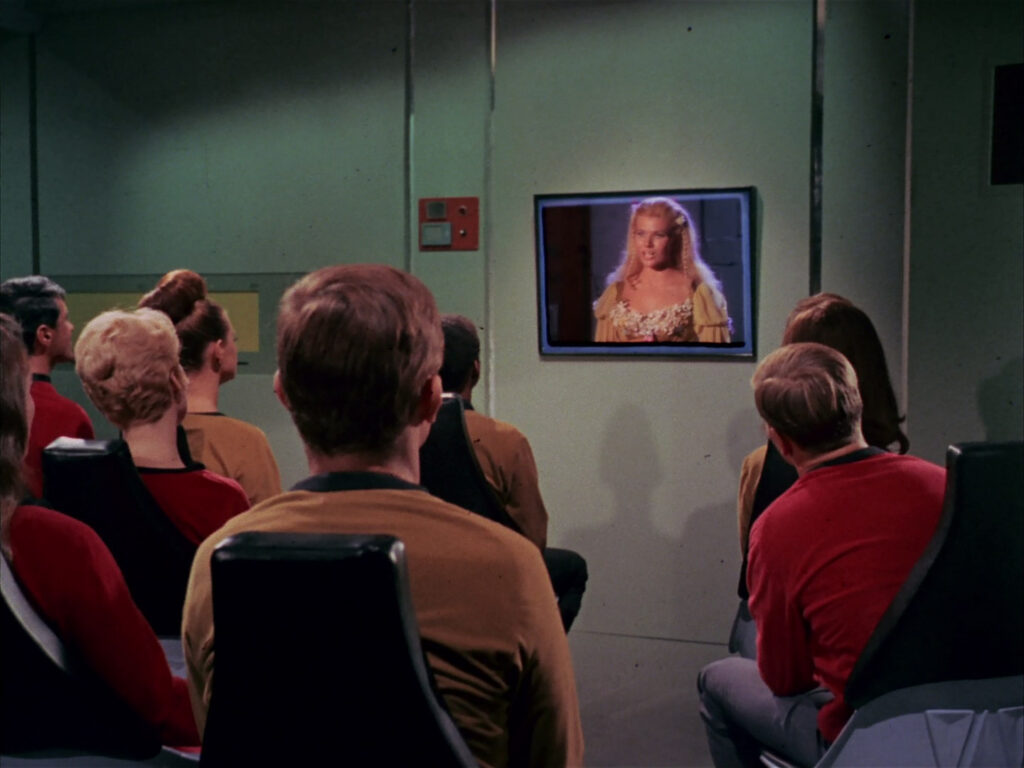
Riley is moved for his own protection and ends up alone in Engineering, where his food can be poisoned. An overloaded phaser can somehow be planted in Kirk’s quarters without anybody noticing. McCoy discusses sensitive information where Riley can overhear it. By the final act, Lenore has managed to get hold of yet another phaser.
One lapse can be forgiven.
By the fourth or fifth, you start wondering whether anyone remembered to lock the doors.
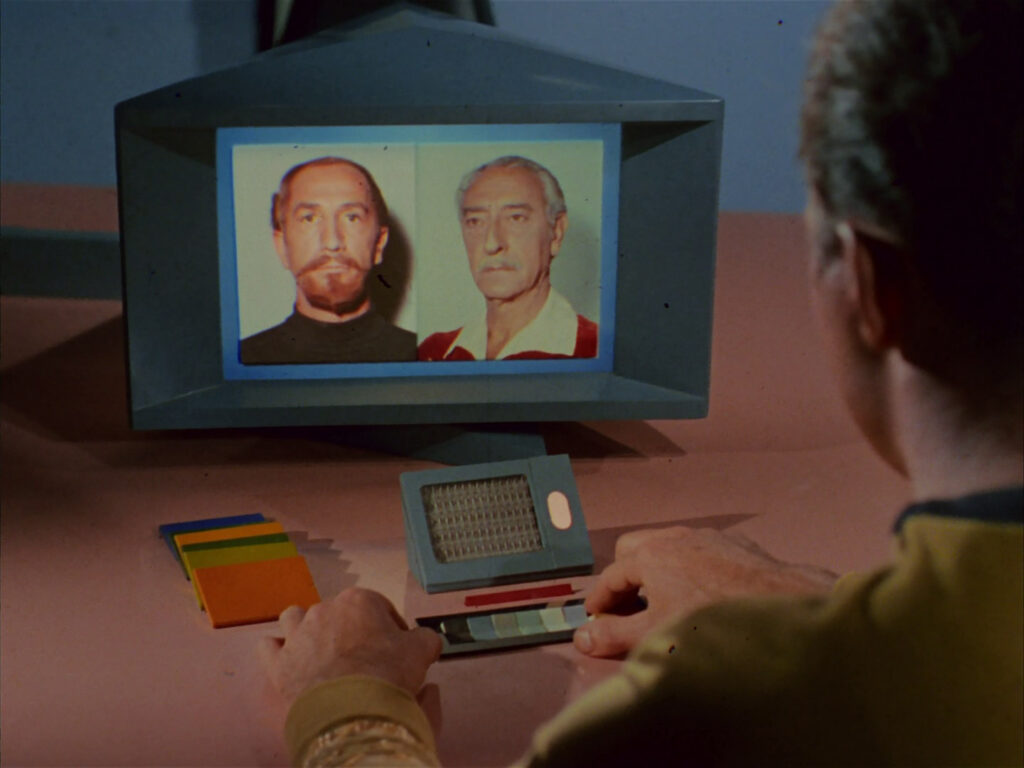
The technology is similarly convenient. This is a starship capable of extraordinary feats of scanning and computer analysis, yet proving the identity of one of history’s most notorious mass murderers depends upon ageing eyewitnesses, photographs, and a voice comparison.
I can forgive some of that as 1966 television trying to tell a fundamentally human story. The real weakness is not the lack of futuristic forensics so much as how often the plot needs everyone around Lenore to become strangely inattentive.
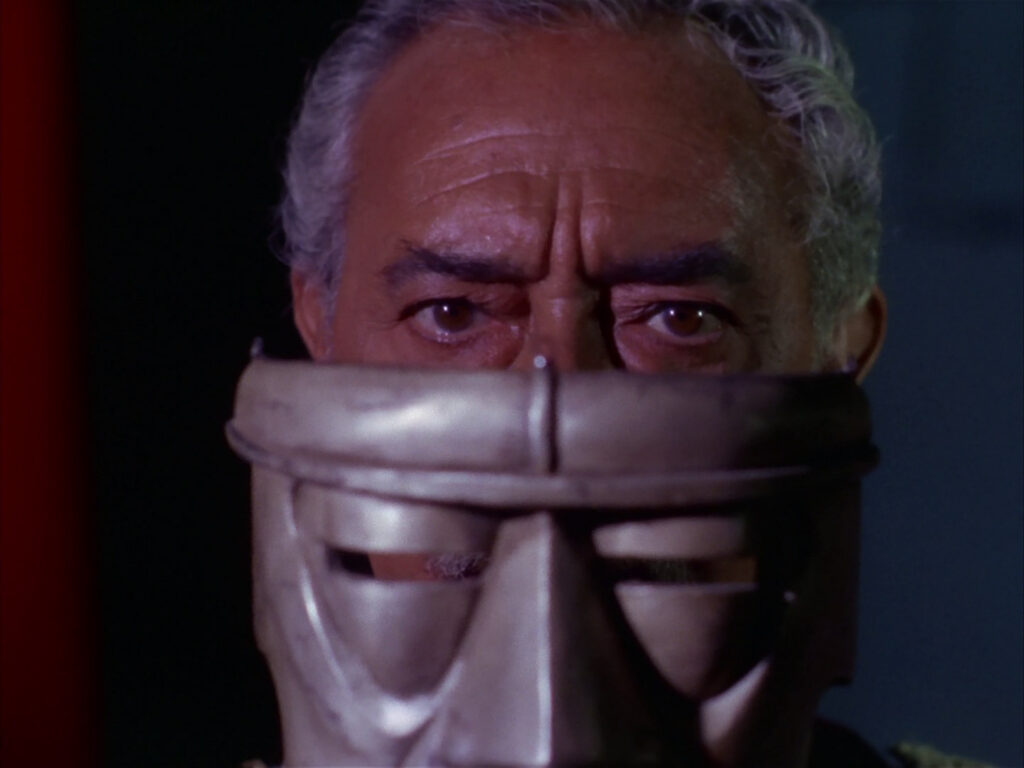
The bigger weakness for me is Lenore herself.
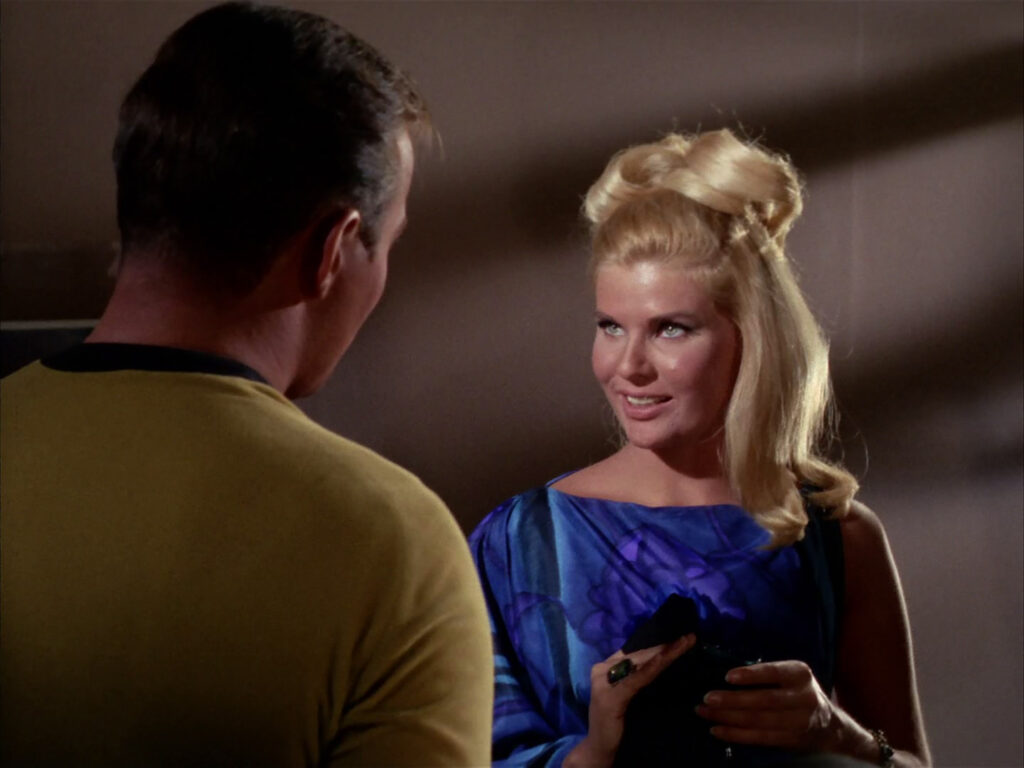
Barbara Anderson commits fully to the role, but the writing eventually reduces Lenore to the familiar image of the beautiful young woman driven into operatic madness. Her romantic scenes with Kirk also contain some dialogue that has aged less gracefully than the Shakespeare.
“All this power, surging and throbbing” certainly announces its intentions.
The final tragedy works despite that.
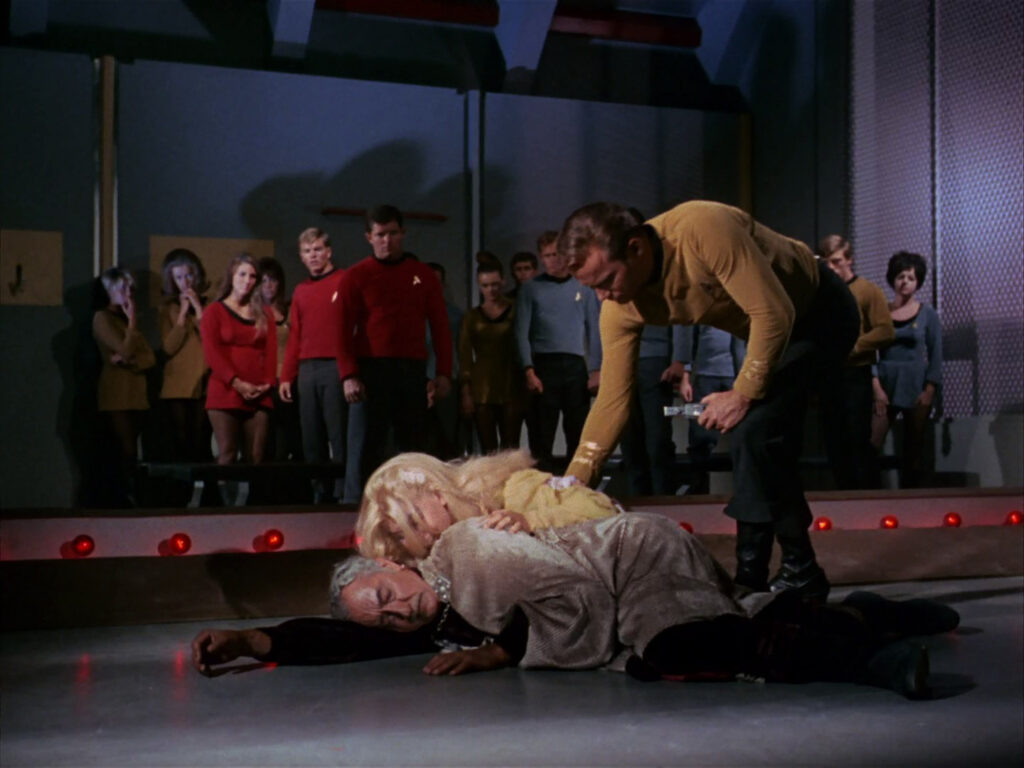
Karidian discovers that his attempt to bury Kodos has not protected his daughter from his crimes. It has poisoned her. She has murdered the surviving witnesses one by one, supposedly to save him, and when she finally fires at Kirk, Karidian steps between them.
Lenore kills the man she destroyed herself trying to protect.
McCoy later reports that Lenore has suffered a complete psychological collapse. She believes her father is still alive and performing before cheering audiences.
Then he asks Kirk if he genuinely cared about her.
Kirk never answers. He simply orders the Enterprise out of orbit.
Karidian survived his past by becoming another man. Lenore survives what she has done by retreating into a reality where her father never died. Kirk’s response is healthier, but there is still an element of performance in it. He goes back to being Captain Kirk because that is what allows him to keep moving.
Perhaps that is the most uncomfortable idea in “The Conscience of the King.” Sometimes the identities people build around themselves are not really lies. They are simply how they live with truths they cannot carry every waking moment.
8/10