Star Trek: Red Shirts — A Graphic Novel That Diagnoses Its Own Problem
Before we go on… SPOILERS!
There’s a moment early in Star Trek: Red Shirts where the security team is loaded into torpedo casings and fired at a planet. The team inside stare out in terror, crammed into modified casings with little more than life support and a prayer, while the U.S.S. Warren follows up with two live torpedoes to knock the target antenna offline. It’s a brisk, vicious image, and it tells you exactly what kind of book you’re holding before the first casualty lands. These people are already equipment. The comic knows it, and it wants you to know it too.
I read the original issues as they came out, so sitting down with the collected edition gave me something the monthly format couldn’t: the full argument in one sitting. It reads better this way. The individual issues had a stop-start quality that the trade smooths out, and the formal devices, the dossier pages, casualty logs, and propaganda posters that close the book, land harder when encountered without a month’s gap between them. This is a book designed to be read as a complete object, and IDW have produced one worth having on a shelf.
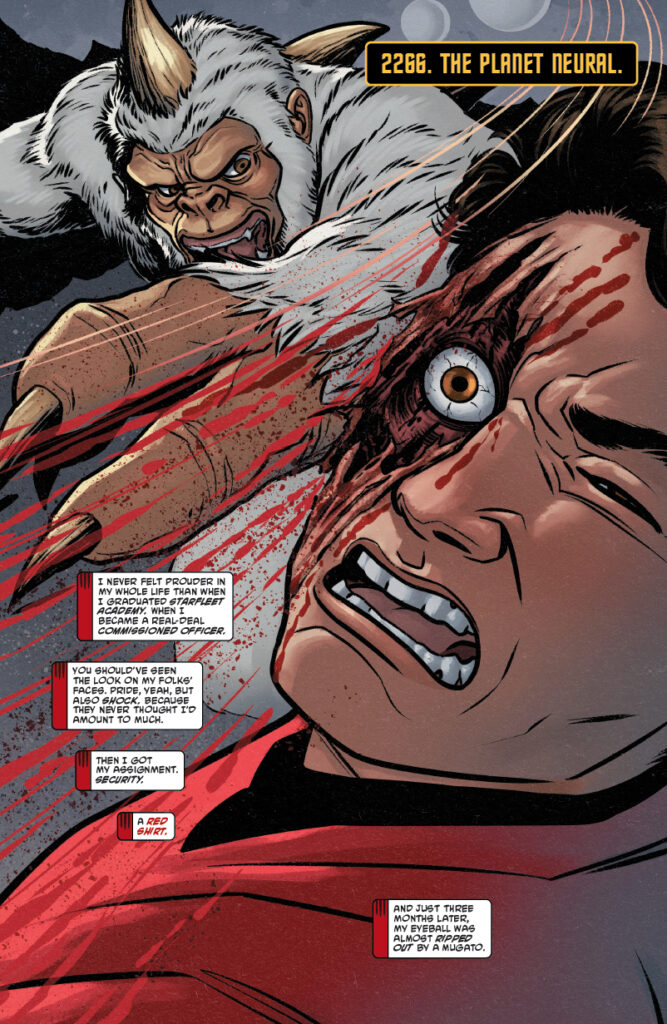
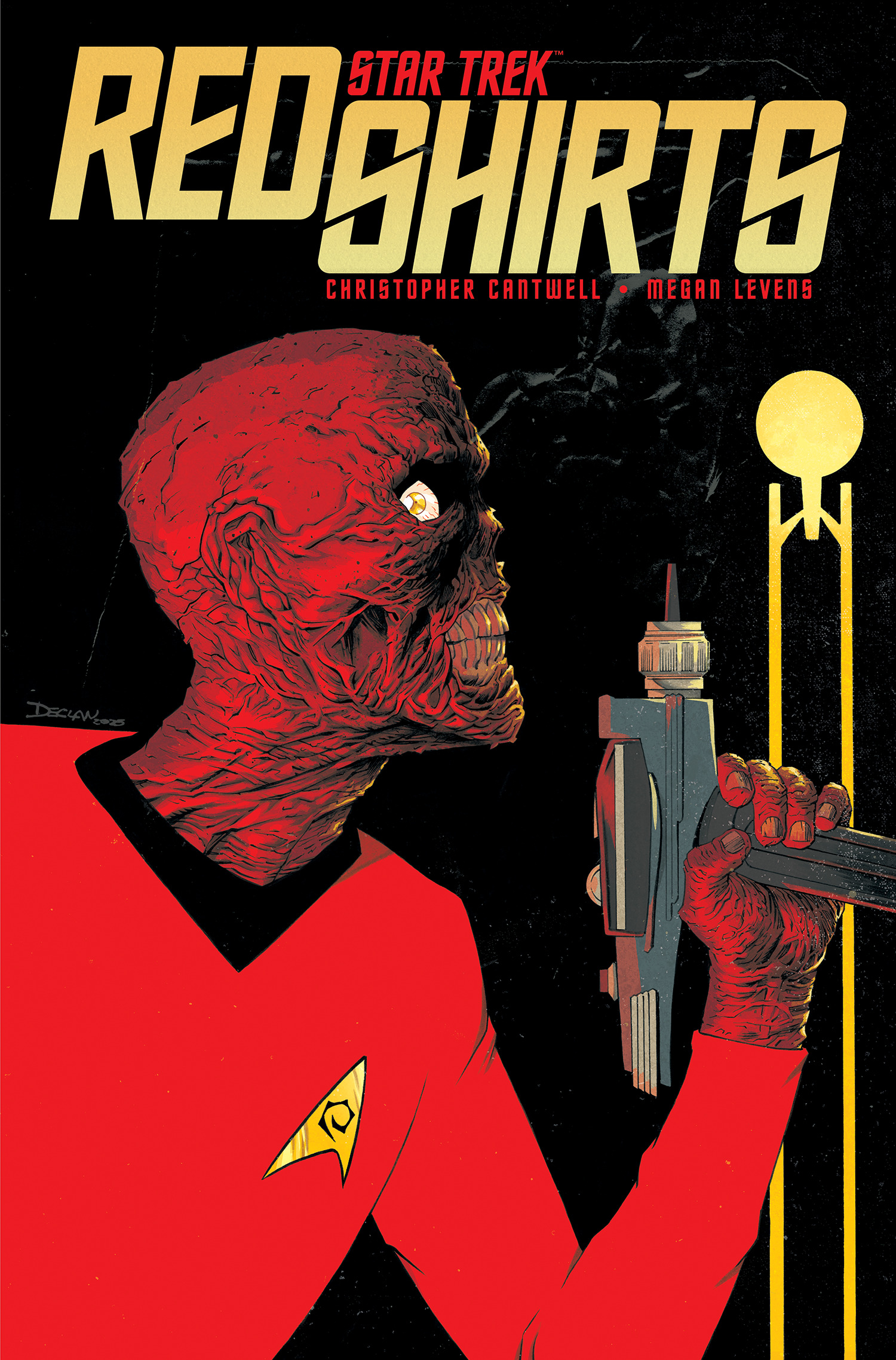
The premise is exactly right. Christopher Cantwell takes one of the franchise’s oldest jokes, the nameless security officer dead before the act break, and asks what those lives actually look like from the inside. Not as parody. Not as metafiction. The inevitable comparison is John Scalzi’s Redshirts, but Cantwell is doing something different. His version is colder, more serious, and less interested in winking at the audience than in examining what institutions do with the people who pay for their myths in blood.
The red shirt becomes less a punchline than a process. Classified asset. Deployed body. Logged casualty. Approved account. Recruitment poster.
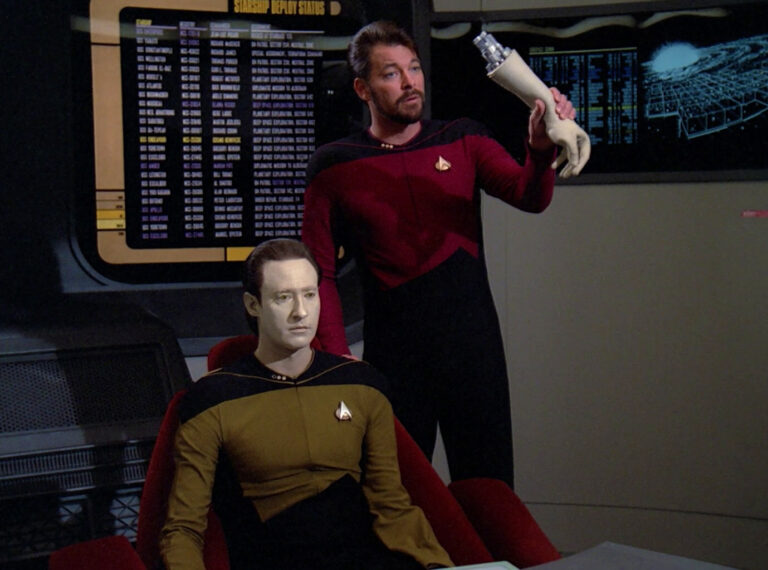
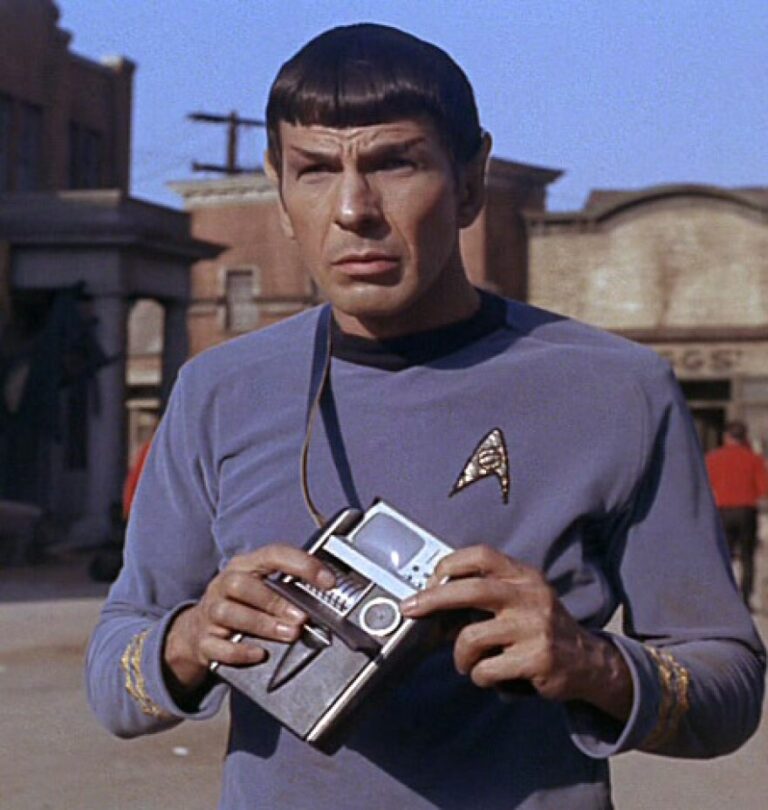
The whole premise leans on the long shadow of The Original Series, where the idea of the doomed anonymous crewman became part of Star Trek folklore.
That’s a genuinely interesting thing to build a comic around, and for long stretches Cantwell builds it well.
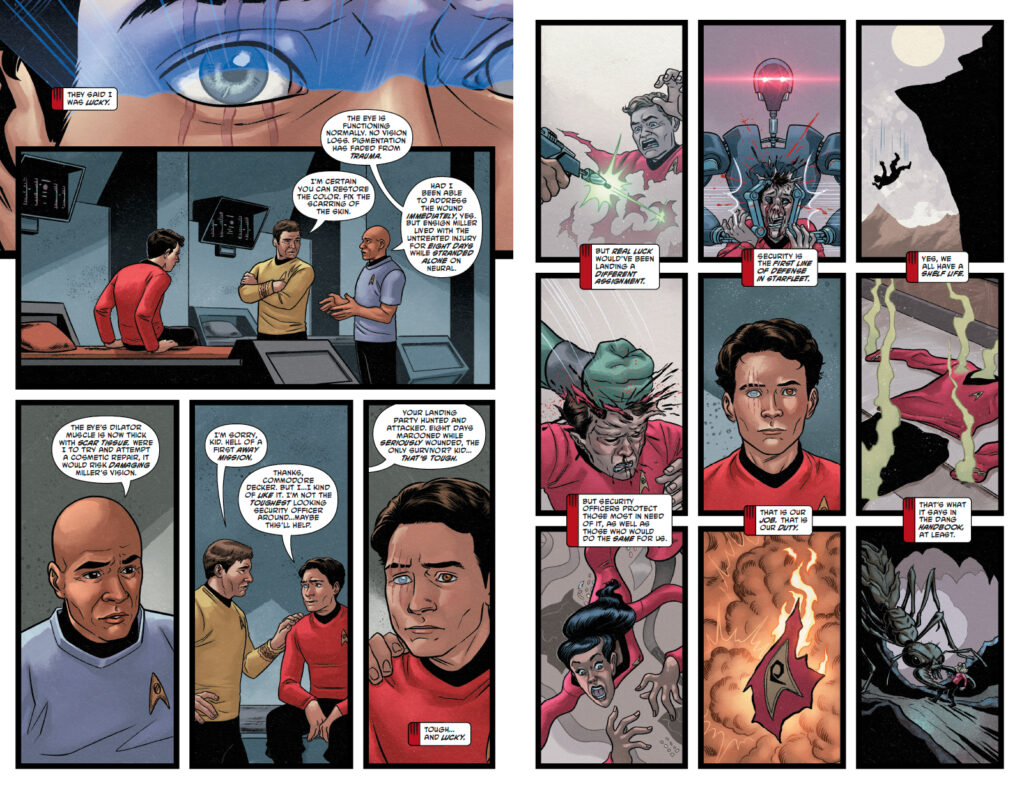
The formal craft is where the book earns real admiration. Comics have tools that prose and television don’t, and Cantwell and Megan Levens use them intelligently. The supplemental material isn’t decoration. The dossiers individualise the team before the killing starts, each officer receiving a compact biography that often does more character work than several pages of dialogue. The casualty logs track attrition through the flat language of bureaucracy. The propaganda posters at the end reframe everything you’ve just read by showing how the institution chooses to remember it.
The comparison to Watchmen only goes so far, but it helps explain why these pages matter. They’re not bonus material. They’re part of the argument.
Levens deserves enormous credit. She makes the 2260s feel lived in rather than recreated, which is harder than it sounds when you’re working inside a visual language that has been referenced and revisited for sixty years. Twelve security officers in identical uniforms remain visually distinct throughout. That’s not a small achievement. Charlie Kirchoff’s colours add weight and texture to the world, with heavy reds, deep greens, and a physical sense of place that keeps the story grounded even when the body count starts climbing.
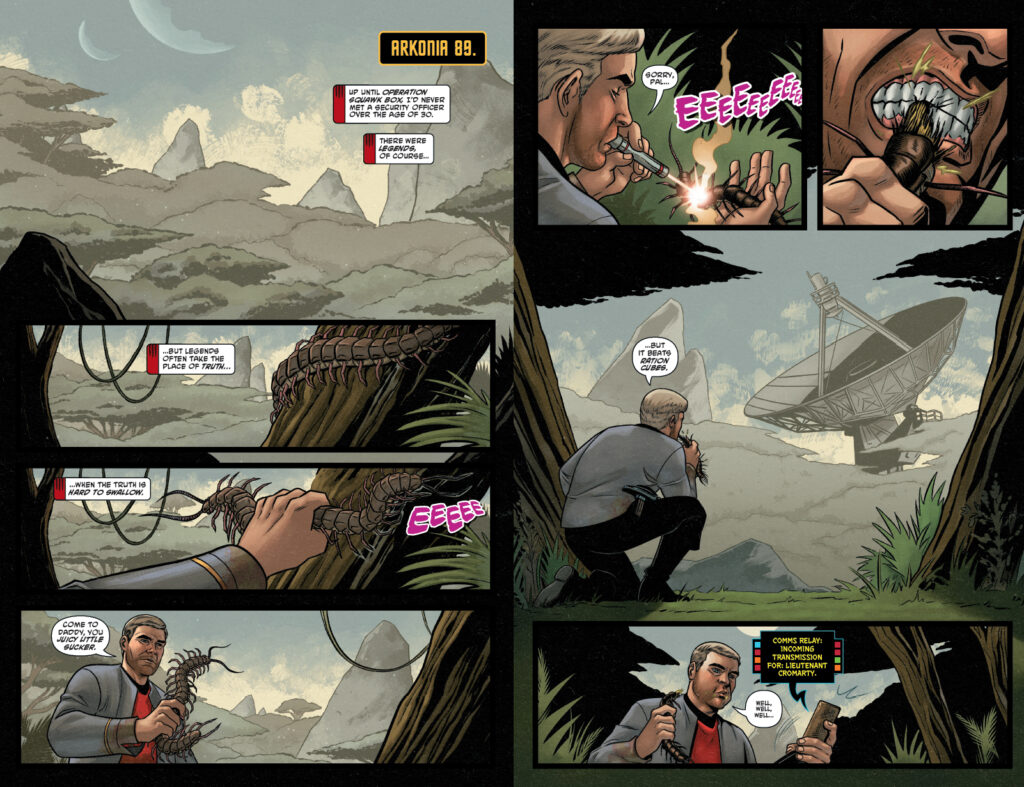
Then there’s Miller.
The reveal that the narrating protagonist has been operating as a Romulan asset all along, manipulating events and ultimately lying directly to Kirk during the Enterprise debrief, is the comic’s sharpest move. It’s not simply a twist. It retroactively changes the meaning of the entire story.
Miller survives not because he’s the bravest member of the team or the most capable. He survives because he understands what power wants and how to package events into a version authority can accept. He tells Kirk that Raad was the mole. That she tried to hand over the data. That he was forced to stop her. None of it is true.
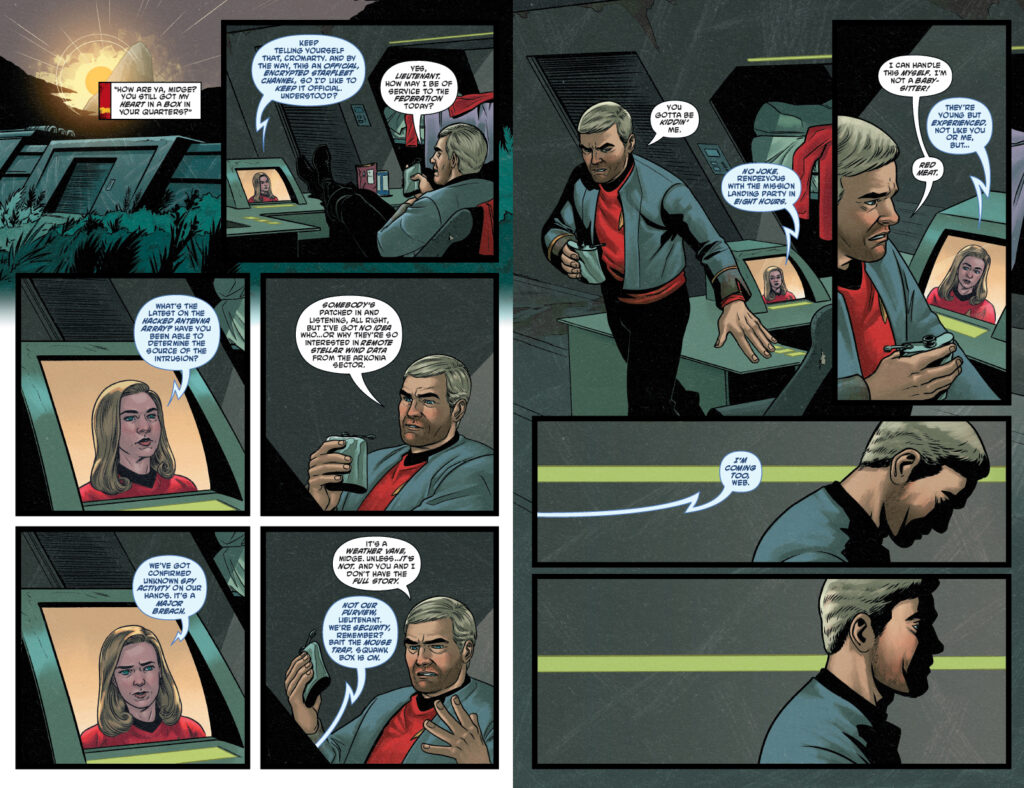
The decisive act was never the firefight.
It was the report.
Cantwell earns the bitterness of that conclusion.
Which makes the book’s central failure more frustrating, because it’s a failure the comic practically diagnoses in real time.
The ensemble problem is baked into the premise. Introducing twelve characters quickly and then killing them quickly leaves very little room for genuine emotional investment. Levens works hard to distinguish them visually, and a handful emerge as memorable figures. Cromarty lands. Raad lands. A few others leave an impression.
Most do not.
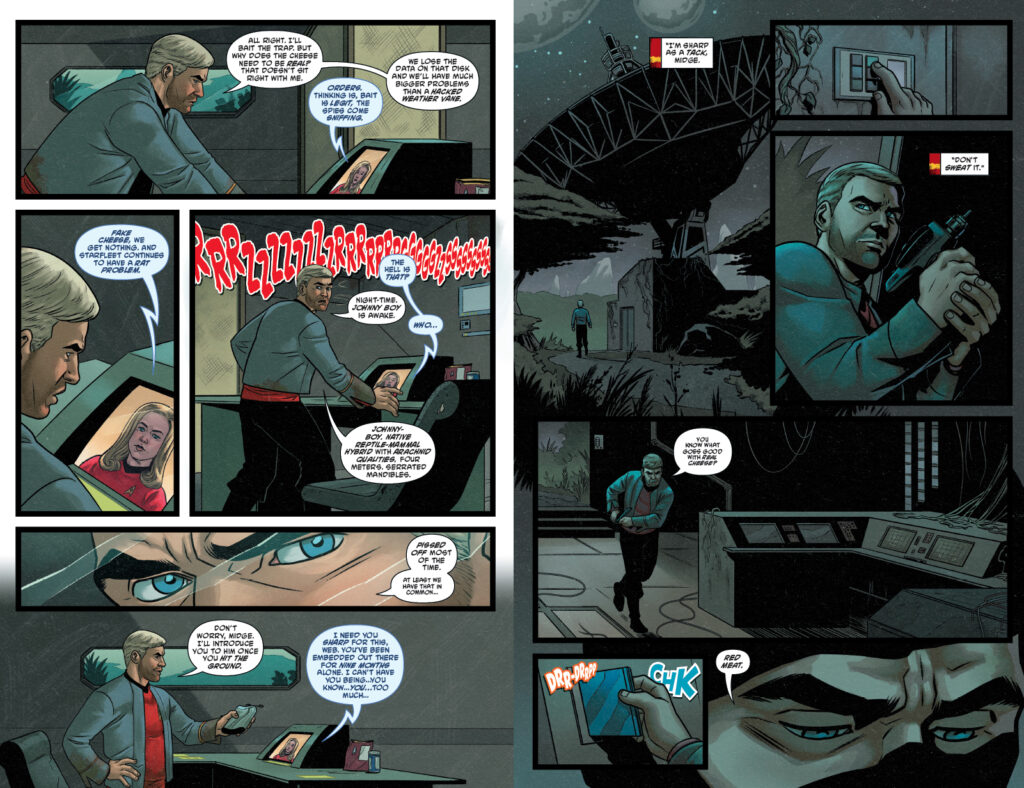
That’s an uncomfortable irony for a comic critiquing a system that reduces people to functions. The book occasionally ends up doing exactly the same thing. It identifies the franchise’s historical disposability problem and then mirrors it.
The tone doesn’t help.
The bleakness isn’t a flavour. It’s the whole meal.
There’s very little warmth here, very little sense that the franchise’s optimism exists beneath the cynicism. The strongest dark Star Trek stories work because they establish something worth losing before they threaten it. In the Pale Moonlight hurts because Sisko believes in something. The Drumhead works because the Federation is supposed to be better than this.
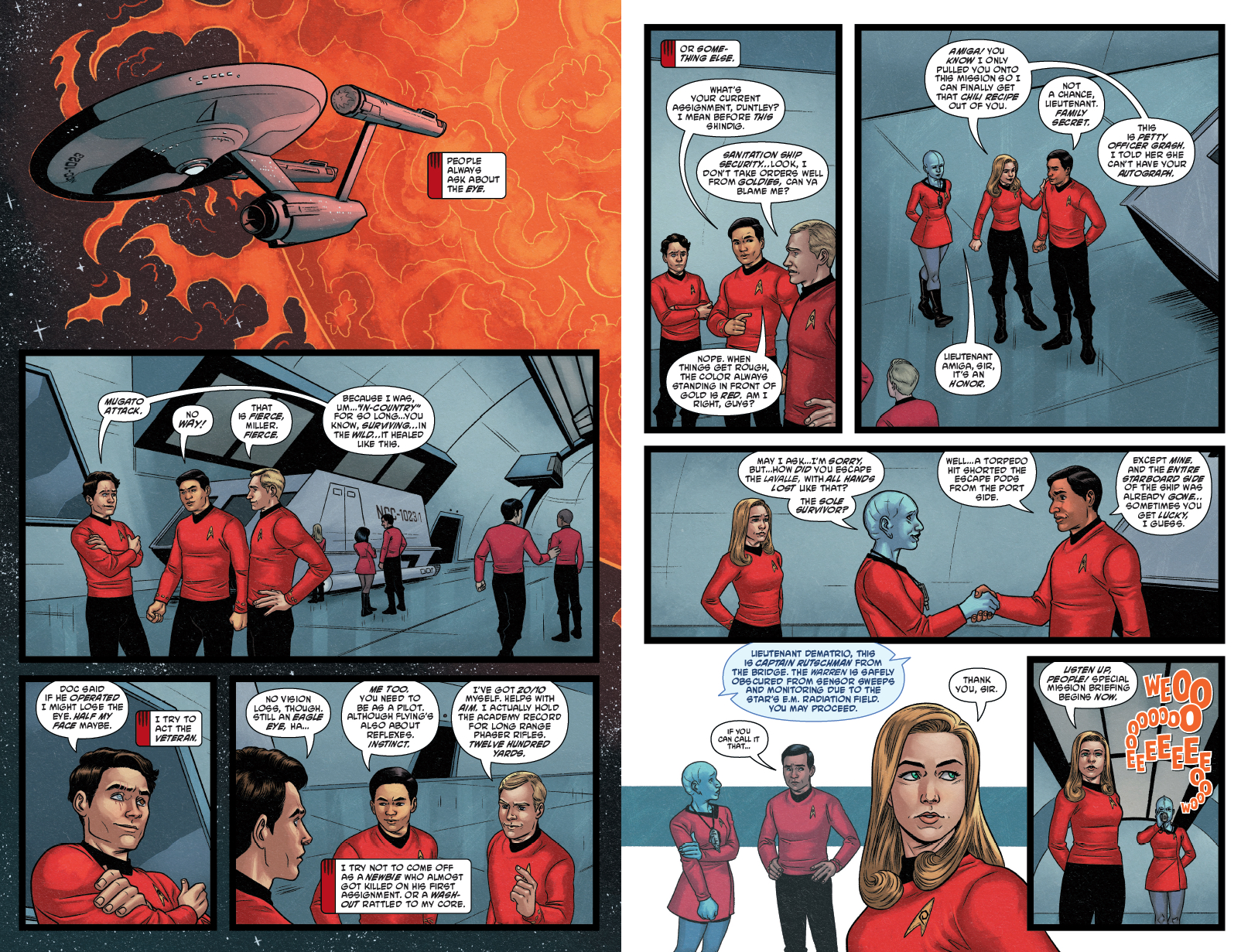
Red Shirts starts cold and largely stays there. There’s no untouched corner for the corruption to spread into. The argument is established early and then revisited repeatedly rather than expanded.
That’s where the book occasionally begins to mistrust its own formal strengths.
The torpedo drop works. The casualty logs work. The withheld briefings work. The structure already communicates the theme of expendability clearly. Then the dialogue often circles back and states the point again. A tighter edit might have trusted the reader more and allowed the formal storytelling to carry additional weight.
The logic gaps surrounding Miller’s reveal are real, although not fatal. The twist lands on a first read. On reflection, a few earlier scenes become harder to reconcile with what we’re later told. It’s the kind of issue that nags at the edges rather than collapsing the story entirely.
A sequel has reportedly been announced, promising a wider Romulan-Starfleet conspiracy. If Cantwell and Levens return and build on what’s here with stronger character work, more tonal variety, and a little more confidence in the reader, it could become something genuinely special. The foundations are solid, the ambition is admirable, and the craft is undeniable, but right now I admire this book more than I love it.
That’s an honest reaction, and probably the right one.
7.5/10