The Constitution-Class: The Ship That Bet Everything on Exploration
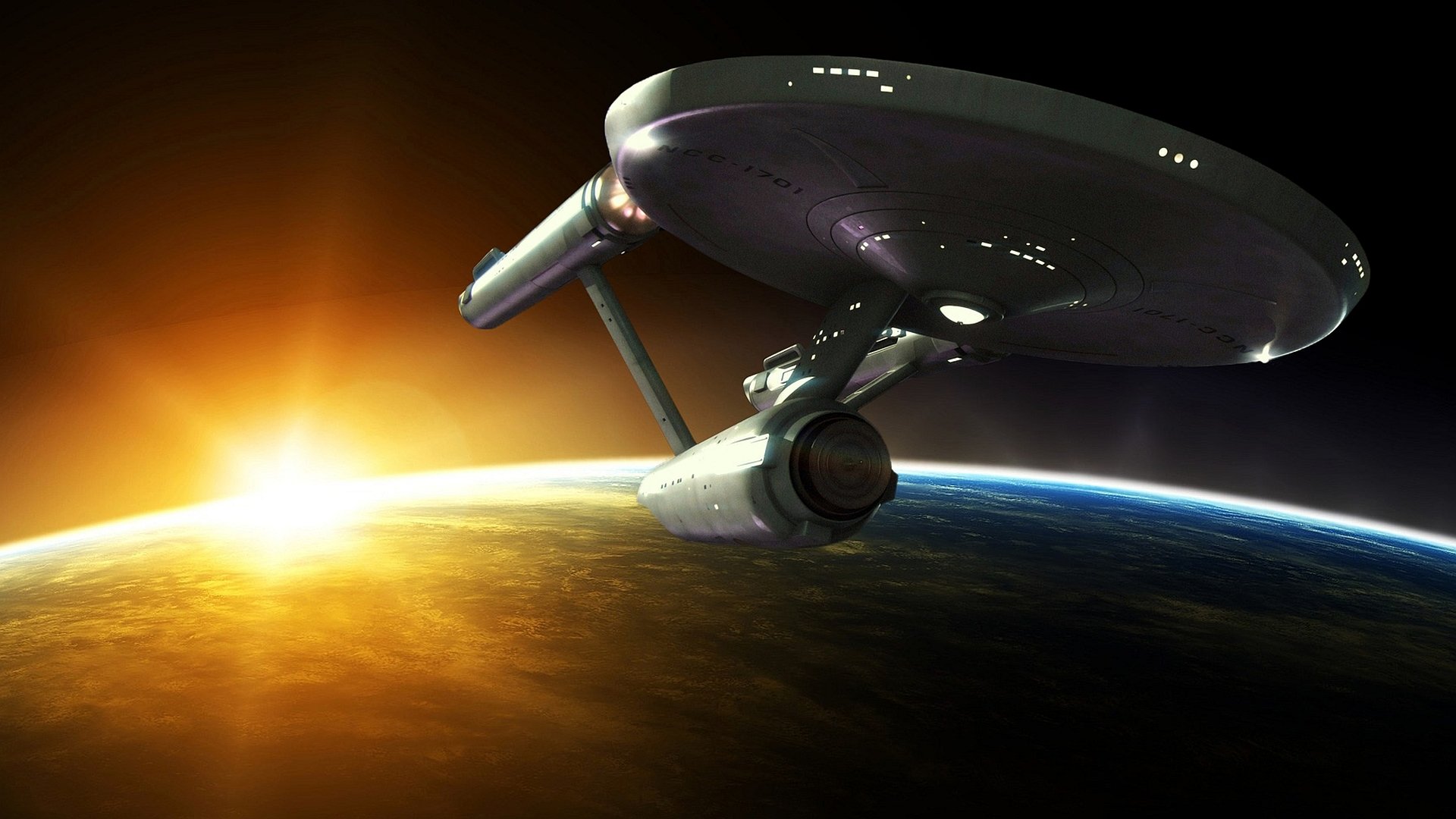
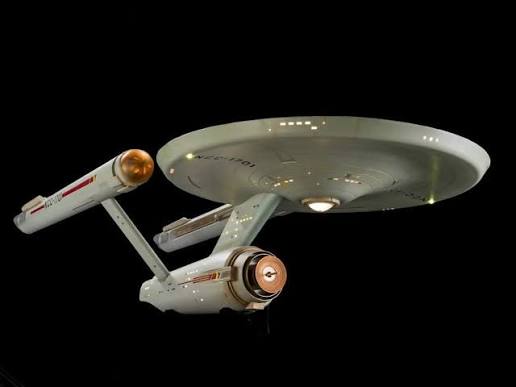
Show someone who has never seen a minute of Star Trek a picture of the original Enterprise, and they will still know what they are looking at. A ship. Something built to go a long way from home. The wide saucer, the slim neck slung beneath it, the two engines held out on struts well clear of the body. That outline has been printed on lunchboxes, flown on parade floats, and rebooted on cinema screens for the better part of sixty years, and it is still the first thing a great many people picture when someone says the words science fiction.
The easy thing to say is that the shape is iconic. The more interesting thing to say is that the shape is an argument.
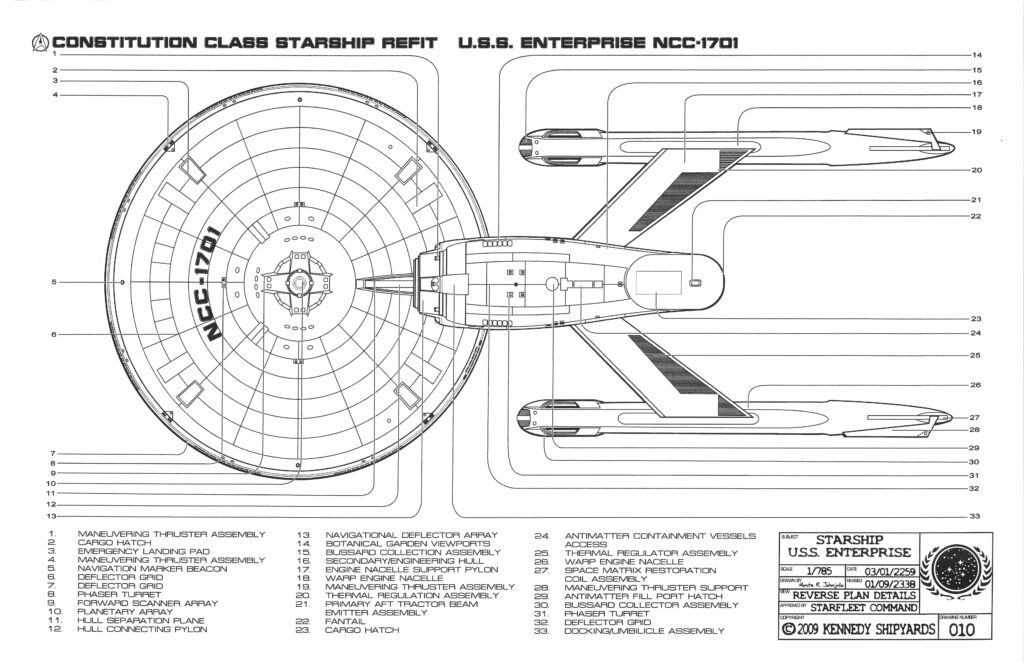
Look at what that silhouette is not. It is not the blunt wedge of a warship, built to keep its heaviest weapons pointed at whatever comes next. It is not the swollen hull of a freighter, built to haul as much as possible from one place to another. The nacelles sit right out in the open, exposed and undefended. Whether the people who drew it meant it or not, the shape reads like a decision: that speed and reach mattered more than armouring the things which made them possible. Before a word of dialogue is spoken, the design has already suggested what Starfleet values.
Which leaves two questions, and they are not the same one. The first is the obvious one: why has this shape lasted as the most recognisable starship design in the whole franchise. The second sits underneath it and matters more. What did the Constitution-class say about the Federation that built it?
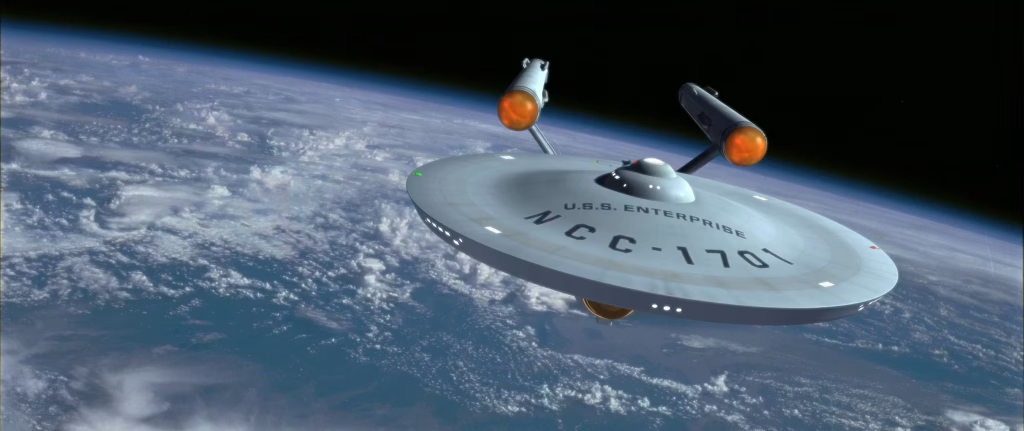
Start with the second, because the first answers itself once you have. By the time the first of these ships entered service in the 2240s, the Federation was not a frightened thing. It was getting on for a century old, more secure in its borders than it had ever been, and confident enough in its place among the major powers to spend accordingly. A nation builds fortresses when it is afraid. The Federation, with the resources to build very nearly anything it liked, chose instead to build embassies with warp drive.
It did not stamp them out by the hundred, either. There were only ever a handful in service at once, a dozen or so across the entire fleet, each one a serious and deliberate commitment rather than a mass-produced asset. That scarcity is the tell. You do not pour that much care into twelve ships unless you have decided that what they are for, reaching past the edge of the chart and bringing something home, is close to the most important thing your civilisation does. The Constitution-class was a bet, placed with real stakes, that curiosity rather than conquest would shape whatever humanity met out there.
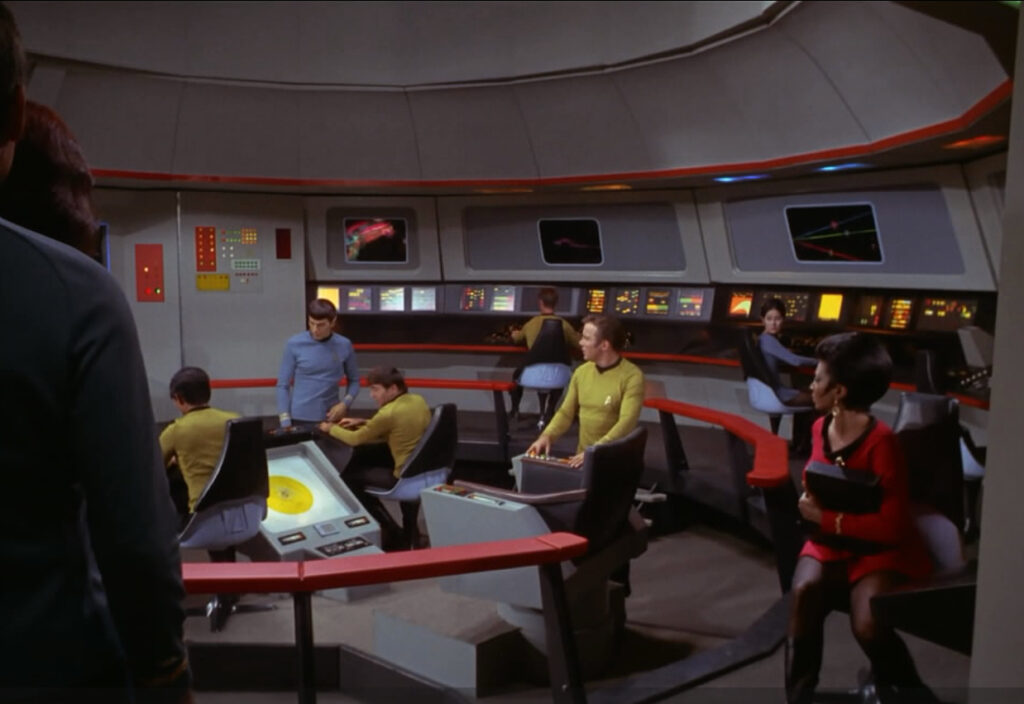
That bet is written into every deck of her, and it shows most clearly in a single refusal. The Constitution-class would not specialise.
This is the heart of it. Most Starfleet ships that came later, and most science fiction vessels of any era, eventually chose a job. A warship learned to fight. A science vessel learned to measure. The Constitution-class declined to pick. She carried scientists and soldiers, doctors and diplomats, engineers and security officers, somewhere around four hundred and thirty people, and she carried them in close to equal measure. She was built on the assumption that a crew should not just survive five years in the dark but live properly out there, which is why the interiors were drawn broad and bright rather than cramped and grey, with laboratories and recreation space and the small comforts the reference material likes to catalogue, a theatre here, a games room there. Whether every one of those rooms ever reached a screen hardly matters. The intention behind them does. This was a ship meant to be a home, on the assumption that humanity’s best qualities should all be aboard when it went out to meet whatever was waiting.
Those four hundred and thirty people are not a statistic. They are the argument. You do not send that many disciplines that far beyond rescue unless you believe the universe is worth meeting with everything you have at once, rather than with a weapon in one hand and your eyes half shut.
The armament makes the same case by how little is made of it. The Constitution-class could defend herself, and defend herself well, with phasers and photon torpedoes capable of ruining most things foolish enough to start a fight. The design simply does not lead with them. What sits up front instead is the navigational deflector and the banks of sensors around it. The deflector’s actual job is a mundane one, sweeping interstellar dust and debris aside at high warp so the ship is not torn apart by its own speed. But it is hard not to notice how much of the hull is given over to looking and reaching rather than to fighting.
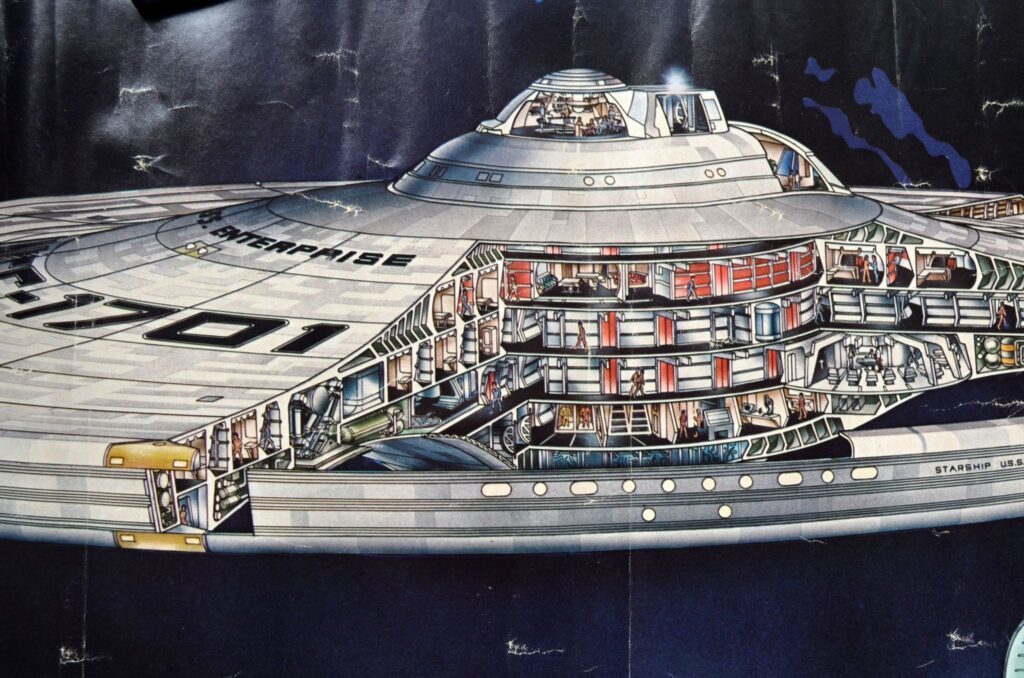
The bridge makes the boldest version of the same point, and here I will admit I am reading the design rather than quoting a manual. Nobody in canon ever stood up and called the bridge’s position a statement of openness. Yet Starfleet put it at the very top of the saucer, the most exposed spot on the entire ship, crew and command lifted up where anything at all could see them. It is a strange place to keep your most vulnerable people, unless the ship doing it is one whose first instinct, when something unknown resolves on the screen, is to open hailing frequencies rather than raise shields.
And she did all of it alone. The Constitution-class was built to run for years with no starbase over the horizon and no convoy bringing fuel, the nearest help often weeks away on a good day. That is more than an engineering feat. It is the Federation’s confidence, made real. It trusted four hundred people with the frontier and bet that its principles would hold even with nobody watching.
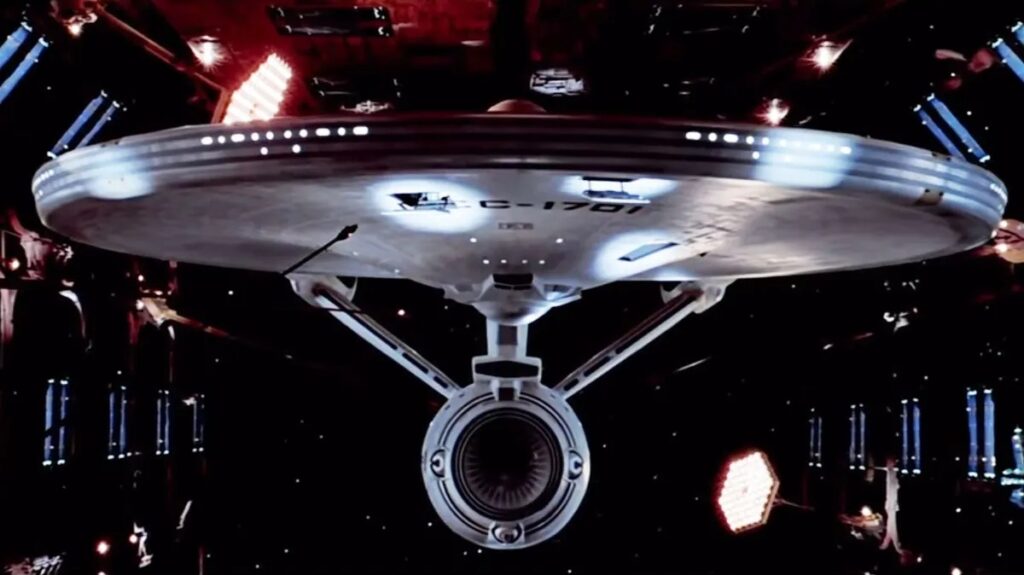
If the class believed anything, the refit is what proves the belief outlived the hardware. When the ship came back in The Motion Picture, almost everything beneath the skin had been renewed, new engines, new systems, a near-total technological overhaul a generation in the making. The silhouette did not move. The saucer, the neck, the nacelles held clear, all of it survived the rebuild intact, because the shape had never been the part that needed fixing. The philosophy did not need rebuilding. Only the ship did.
The fleet itself is the evidence that the bet was real, and that it cost. The Enterprise is the obvious proof of concept, the ship where Pike’s restraint and Kirk’s nerve turned the design’s promise into one first contact after another. But she was never meant to carry that alone, and her sisters are more honest about the price. The Constellation limped home a gutted hulk with a broken commodore aboard and nearly her whole crew gone, after meeting a machine that ate planets. The Defiant simply vanished, lost into an interphase rift in a stretch of space nobody understood, surfacing again only years later and a universe sideways. The Excalibur lost every soul aboard in a single afternoon to an experimental computer that decided it knew best.
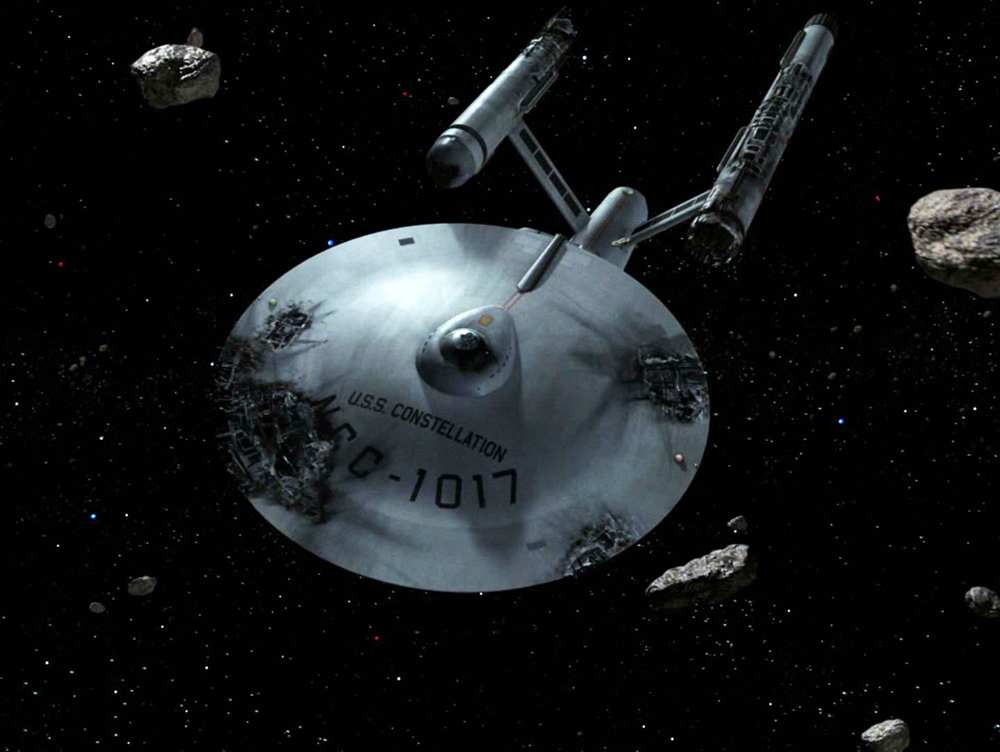
None of those ships came back whole, and Starfleet kept sending the next one out anyway. That is the least comfortable line in the whole argument. The danger was never theoretical. They went because they had decided the knowledge was worth the cost, and then they decided it again, ship after ship, name after name.
Which is why the shape keeps coming back. When Strange New Worlds wanted to remind an audience what Star Trek was supposed to feel like, it reached for the Pike-era Constitution and its clean, unembarrassed optimism. When Picard wanted to close its final season on a note of homecoming, it gave a new crew a brand new ship and called her Enterprise, a Constitution once more in all but the letter on her registry. And look at almost every redesign in between: the proportions shift, the technology moves on, but the underlying arrangement barely changes. Saucer, engineering hull, twin nacelles held clear. Starfleet has rebuilt the Enterprise a dozen times and rarely abandoned the visual language the Constitution-class set down first. That is not lazy nostalgia, whatever the cynics say. It is the franchise returning to its own architectural vocabulary, and to the thesis statement underneath it.
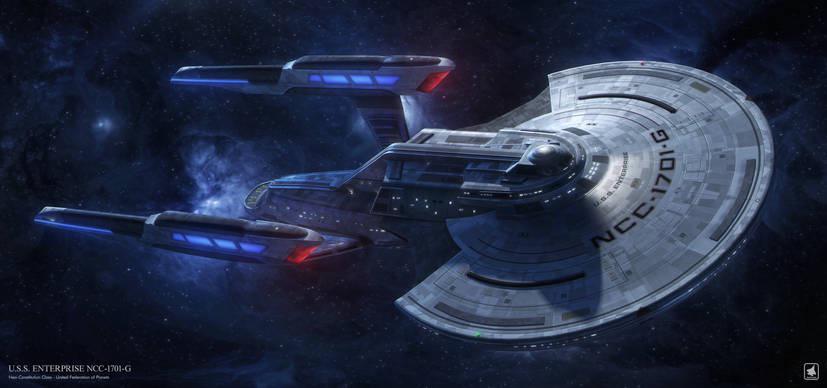
That is the real reason the silhouette endures. It is not the prettiest ship Starfleet ever built, nor anywhere near the most powerful, and the franchise has turned out grander and deadlier vessels many times since. What it had, and what little since has matched, is a kind of confidence. The Constitution-class established the template every later flagship would try to recapture, the belief that a single ship could embody every ideal Starfleet held at once, explorer and embassy and laboratory and home, and only when circumstances demanded it, a formidable combat vessel. The Galaxy-class would reach for exactly that a century later. But the Constitution got there first, and got there at a moment when the galaxy had given Starfleet every reason to build something more cautious instead.
So when that outline turns up on a screen today, sixty years on, what it stirs is not really nostalgia for old television. It is closer to grief. Grief for a kind of confidence the Federation had once and never quite found its way back to, the belief that you could meet the unknown with open hands and come home the better for it. The Constitution-class is Star Trek’s reminder, printed in that one unmistakable shape, of who Starfleet was always meant to be.