- Star Trek: Voyager — Homecoming TPB Review
Voyager got home in “Endgame”, but we never really saw its crew arrive. IDW’s Homecoming returns to that missing moment with Species 8472, the Borg, and some genuinely affecting character work.
- Star Trek: Strange New Worlds – “Level-Five Transporter Accident” (S04E05) Review
There is a brilliant cast, genuinely good writing, extraordinary puppetry, and an enormous amount of craft behind “Level-Five Transporter Accident”. I can admire all of that while admitting the same thing after a second watch: I hated watching it.
- What Do People Actually Do in Starfleet?
Starfleet looks simple from the bridge, but rank, uniform colour, profession, and authority are not the same thing. From the Enterprise-D to Deep Space 9, Miles O’Brien helps reveal a much bigger and messier organisation behind the captain’s chair.
- Star Trek: Strange New Worlds — “A Case of Chiaroscuro” (S04E04) Review
Strange New Worlds embraces film noir in “A Case of Chiaroscuro”, giving Una, M’Benga, and Uhura a strong story about occupation, resistance, and the difference between following Starfleet regulations and doing what feels morally right. The result is visually impressive and often thoughtful, even if a weak Enterprise subplot and one enormous doppelgänger coincidence stop it reaching its full potential.
- Star Trek: TOS — “The Conscience of the King” (S01E13) Review
Anton Karidian has spent twenty years hiding behind another identity. In “The Conscience of the King”, Kirk confronts the ghosts of Tarsus IV in a dark, theatrical story about guilt, revenge, performance, and the truths people cannot live with. 8/10.
- Star Trek: TOS — “Balance of Terror” (S01E14) Review
Star Trek’s “Balance of Terror” introduces the Romulans through a tense battle of wits, Mark Lenard’s superb commander, and one of TOS’s finest stories.
- Harry Mudd: Can You Improve a Man Who Doesn’t Want to Change?
Harry Mudd learns from every failure. His schemes change, his salesmanship improves, and he becomes increasingly difficult to contain. What never seems to occur to him is that the lesson might be about Harry. A Character Spotlight on Star Trek’s most persistent con man.
- Star Trek: Strange New Worlds — “Human Best Friend” (S04E03) Review
Scotty and Ortegas find unexpected common ground during the Enterprise crew’s spectacularly messy shore leave. “Human Best Friend” is often genuinely funny, but its best comedy works because the characters remain themselves.
- Star Trek: Strange New Worlds — “The Griffin Incident” (S04E02) Review
A haunted starship, disturbing body horror, and Paul Wesley’s strongest performance as Kirk make “The Griffin Incident” compelling viewing. But beneath the atmosphere lies a mystery that seems strangely uninterested in being understood.
- Star Trek: Strange New Worlds — Valles Marineris (S04E01) Review
Strange New Worlds returns with dinosaurs, ancient Martians, and an impossible moral choice. “Valles Marineris” is ambitious, funny, visually impressive, and far too eager to explain the entire history of the Solar System in one hour.
- Star Trek: Strange New Worlds — The Seeds of Salvation TPB (Review)
Christine Chapel leads a rescue mission into an ancient prison hidden beneath the frozen world of Poilant in Star Trek: Strange New Worlds — The Seeds of Salvation. Robbie Thompson delivers a thoughtful horror-flavoured Star Trek adventure with strong character work, impressive artwork, and a satisfying Trek conclusion, even if a mid-book art change and a few familiar tropes stop it short of greatness.
- The Tricorder: Star Trek’s Faith in Evidence Made Physical
The tricorder is more than a handheld scanner. Through its design, use, and storytelling economy, it represents Star Trek’s faith in evidence before action.

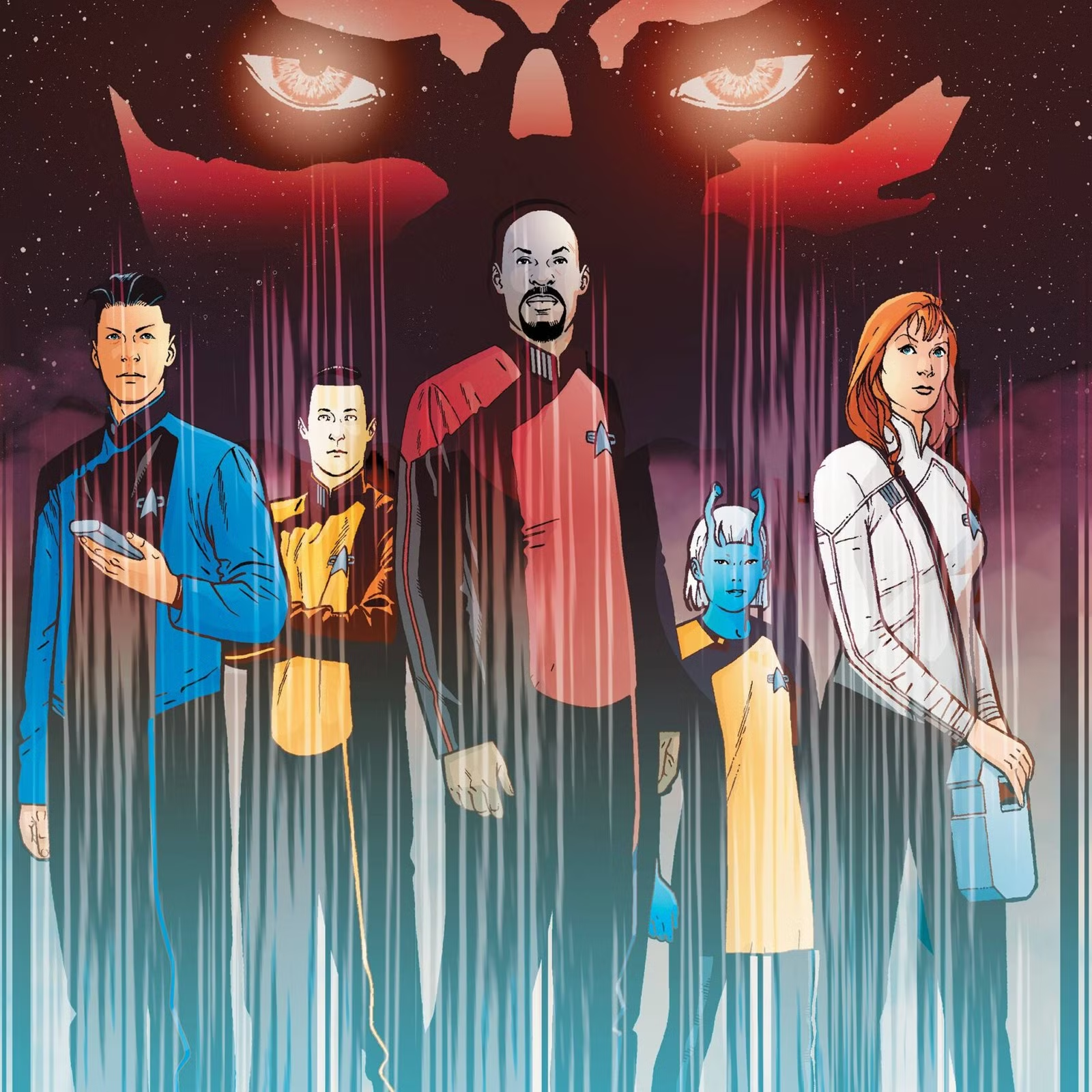
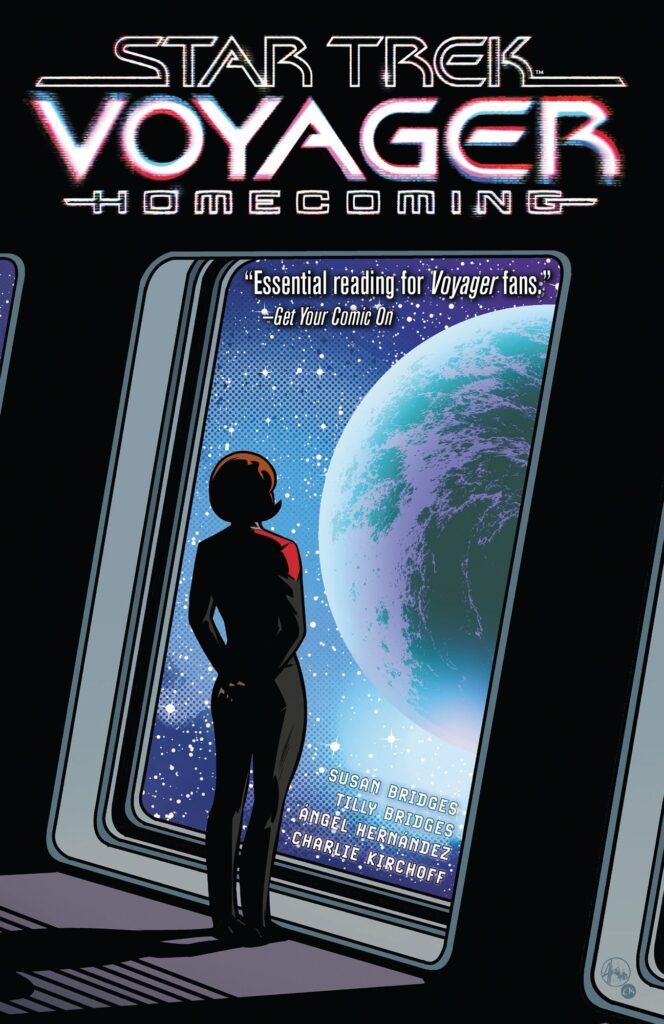 Voyager got home in “Endgame”, but we never really saw its crew arrive. IDW’s Homecoming returns to that missing moment with Species 8472, the Borg, and some genuinely affecting character work.
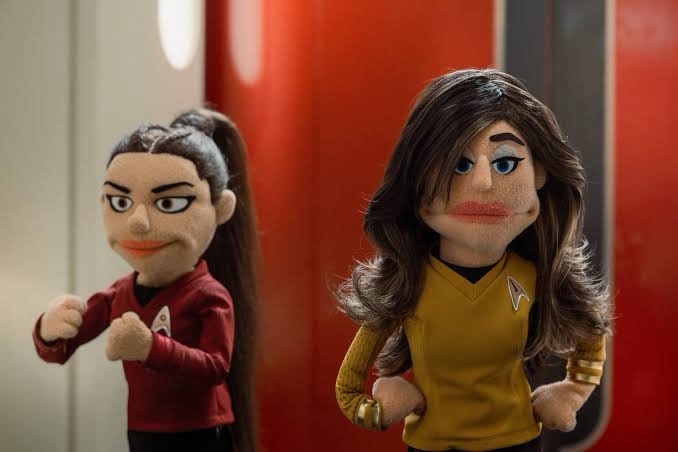 There is a brilliant cast, genuinely good writing, extraordinary puppetry, and an enormous amount of craft behind “Level-Five Transporter Accident”. I can admire all of that while admitting the same thing after a second watch: I hated watching it.
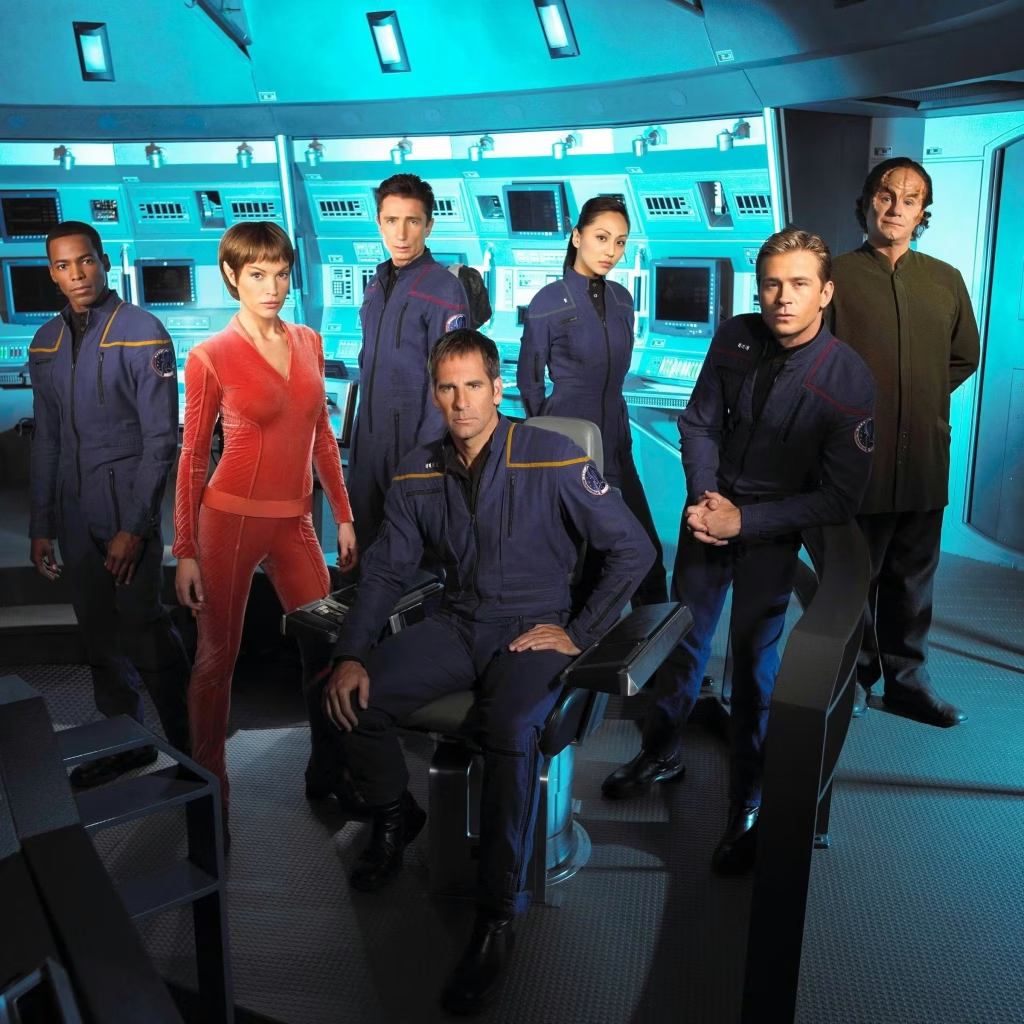
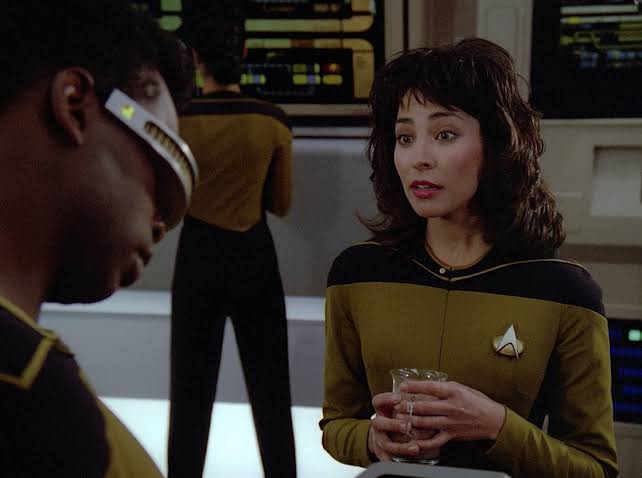 Starfleet looks simple from the bridge, but rank, uniform colour, profession, and authority are not the same thing. From the Enterprise-D to Deep Space 9, Miles O’Brien helps reveal a much bigger and messier organisation behind the captain’s chair.
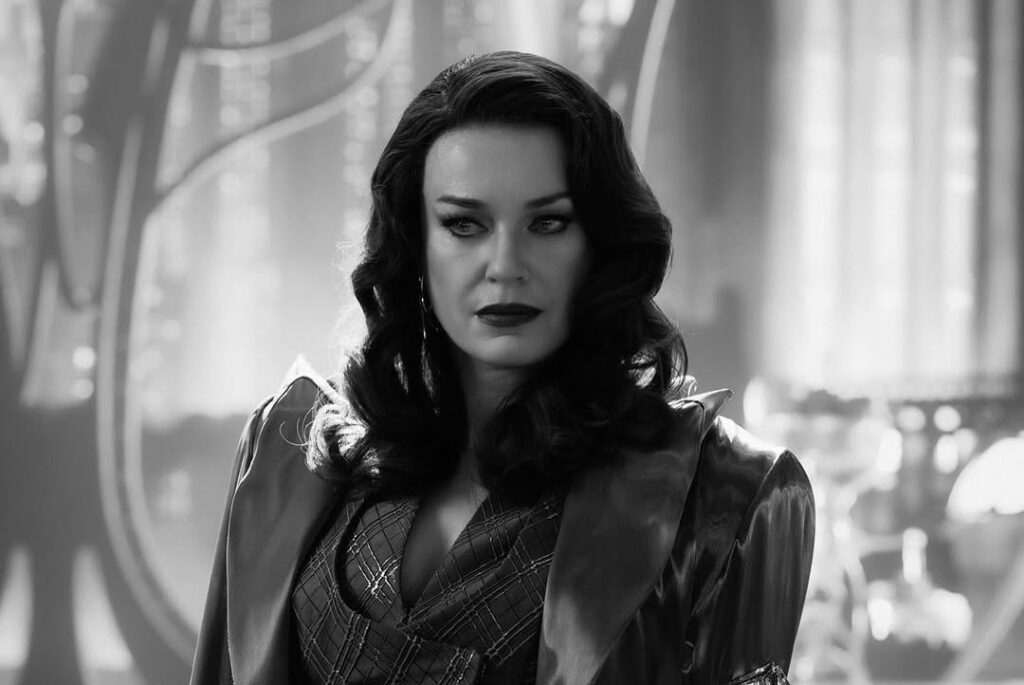 Strange New Worlds embraces film noir in “A Case of Chiaroscuro”, giving Una, M’Benga, and Uhura a strong story about occupation, resistance, and the difference between following Starfleet regulations and doing what feels morally right. The result is visually impressive and often thoughtful, even if a weak Enterprise subplot and one enormous doppelgänger coincidence stop it reaching its full potential.
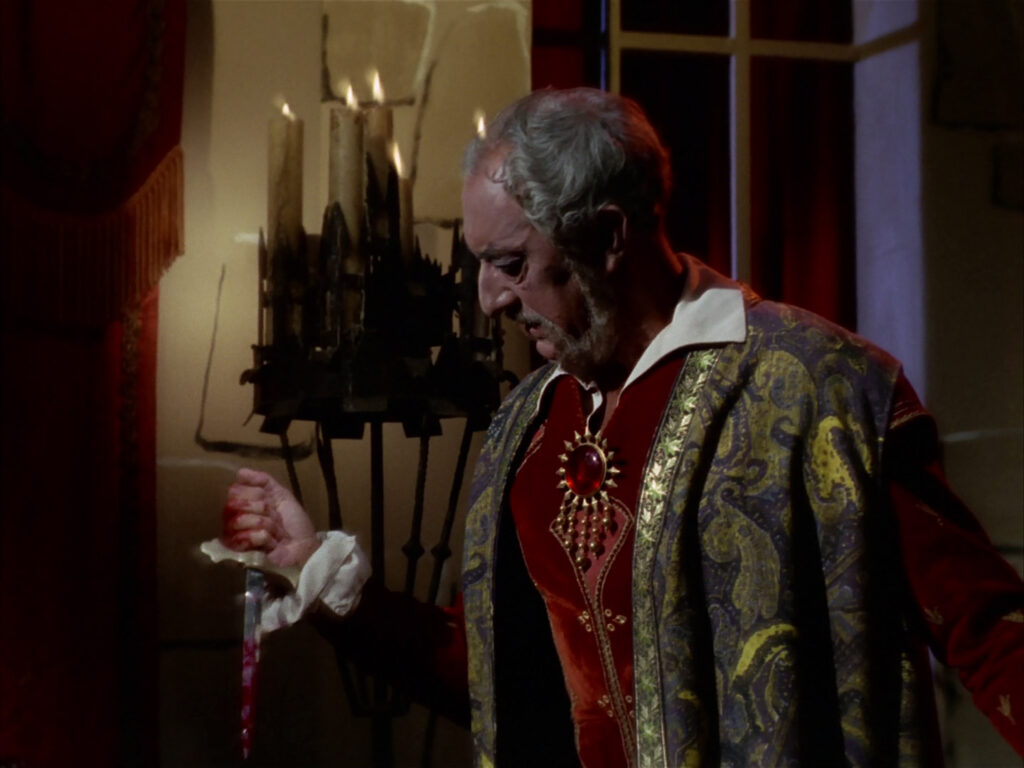 Anton Karidian has spent twenty years hiding behind another identity. In “The Conscience of the King”, Kirk confronts the ghosts of Tarsus IV in a dark, theatrical story about guilt, revenge, performance, and the truths people cannot live with. 8/10.
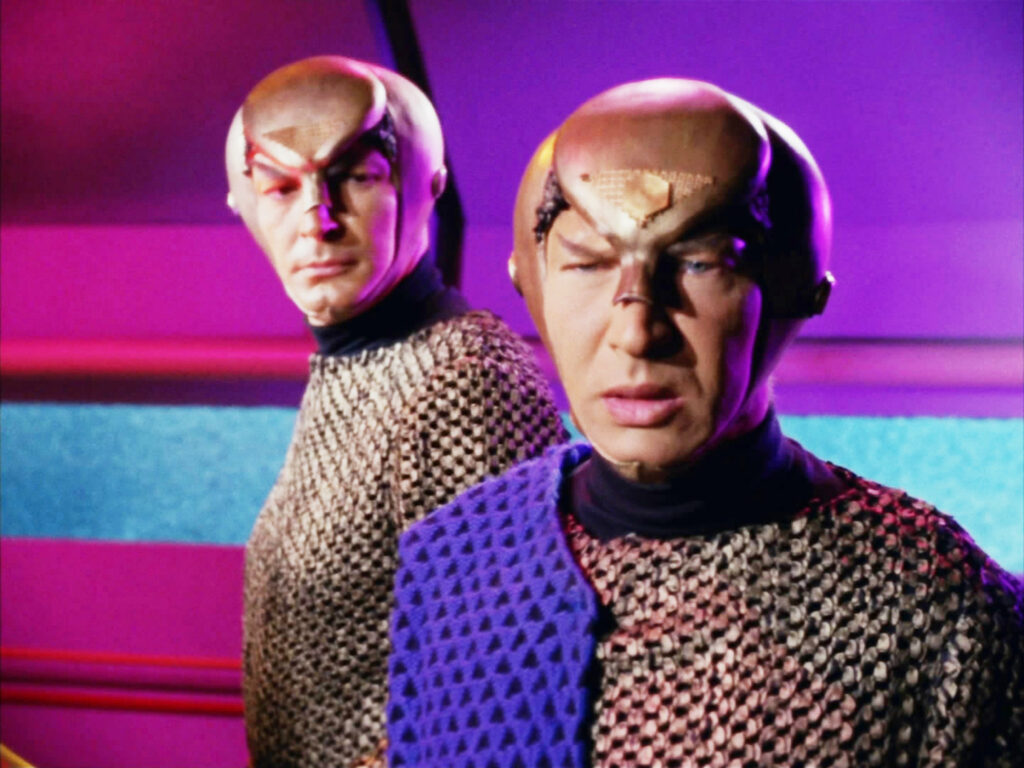 Star Trek’s “Balance of Terror” introduces the Romulans through a tense battle of wits, Mark Lenard’s superb commander, and one of TOS’s finest stories.
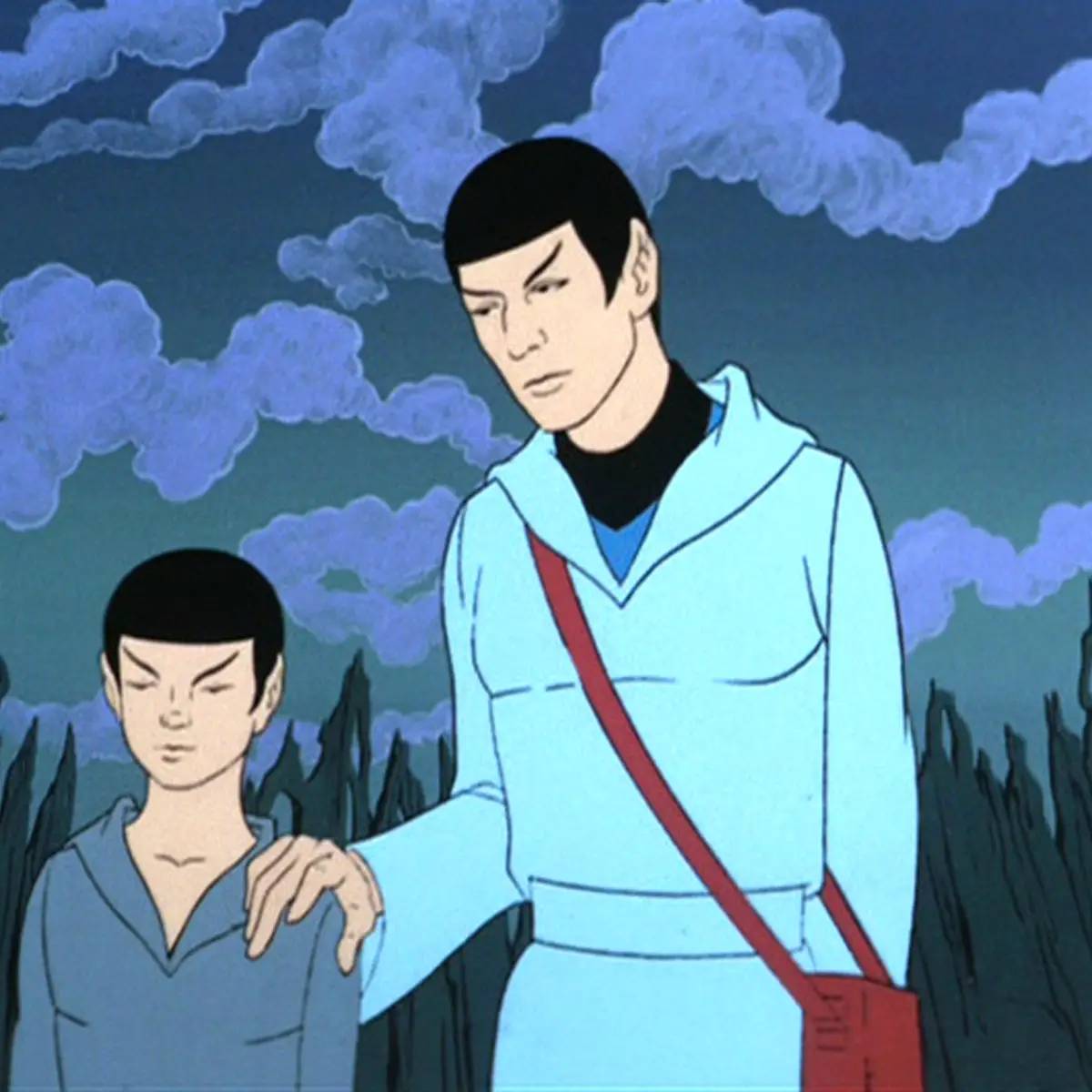
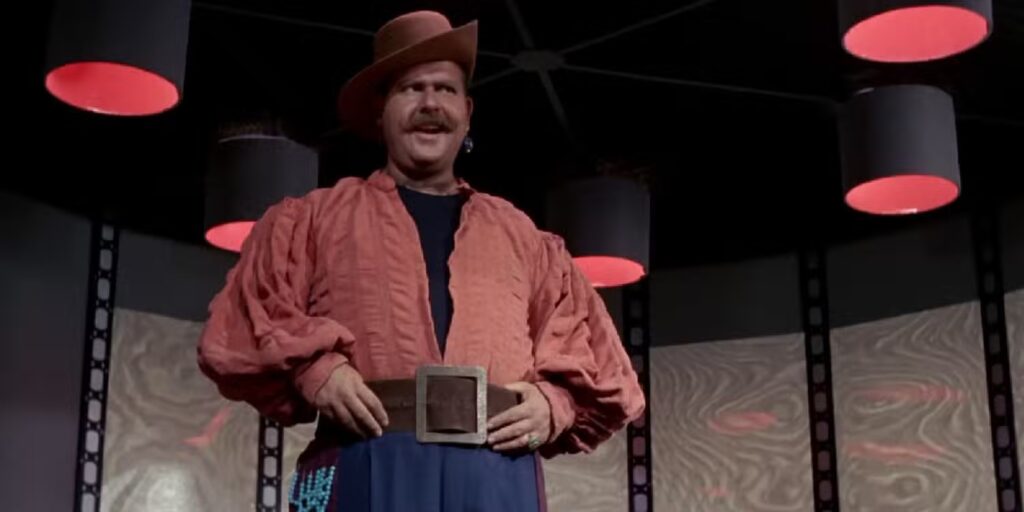 Harry Mudd learns from every failure. His schemes change, his salesmanship improves, and he becomes increasingly difficult to contain. What never seems to occur to him is that the lesson might be about Harry. A Character Spotlight on Star Trek’s most persistent con man.
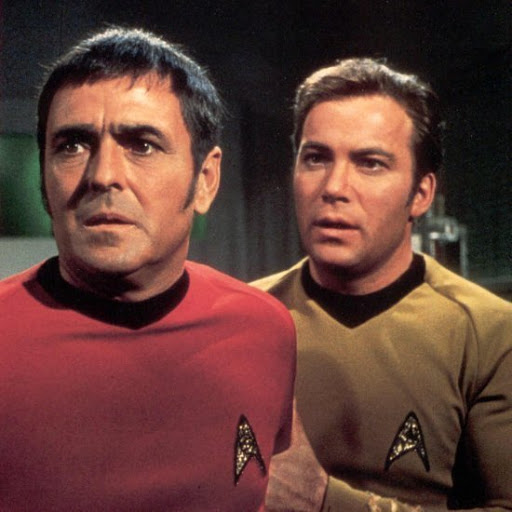
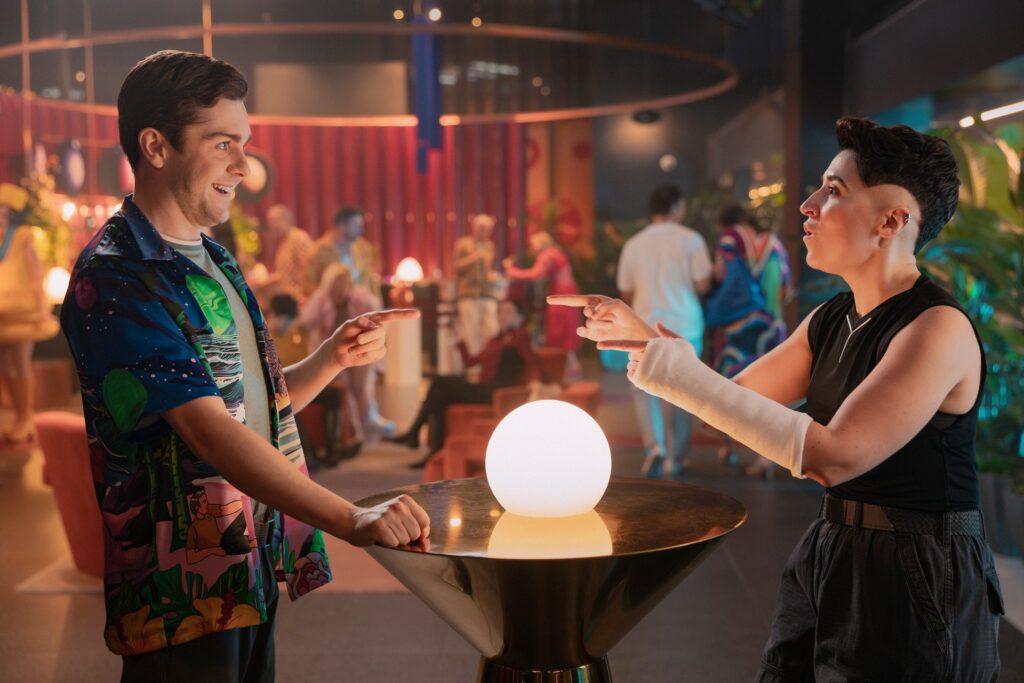 Scotty and Ortegas find unexpected common ground during the Enterprise crew’s spectacularly messy shore leave. “Human Best Friend” is often genuinely funny, but its best comedy works because the characters remain themselves.
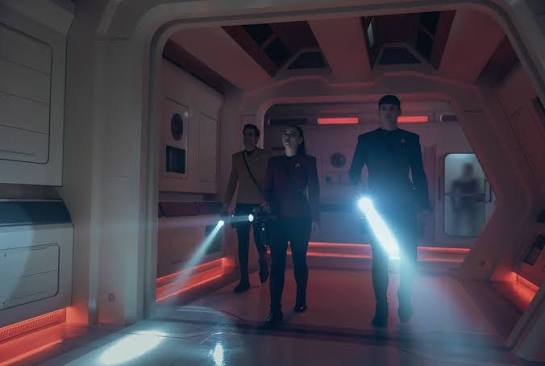 A haunted starship, disturbing body horror, and Paul Wesley’s strongest performance as Kirk make “The Griffin Incident” compelling viewing. But beneath the atmosphere lies a mystery that seems strangely uninterested in being understood.
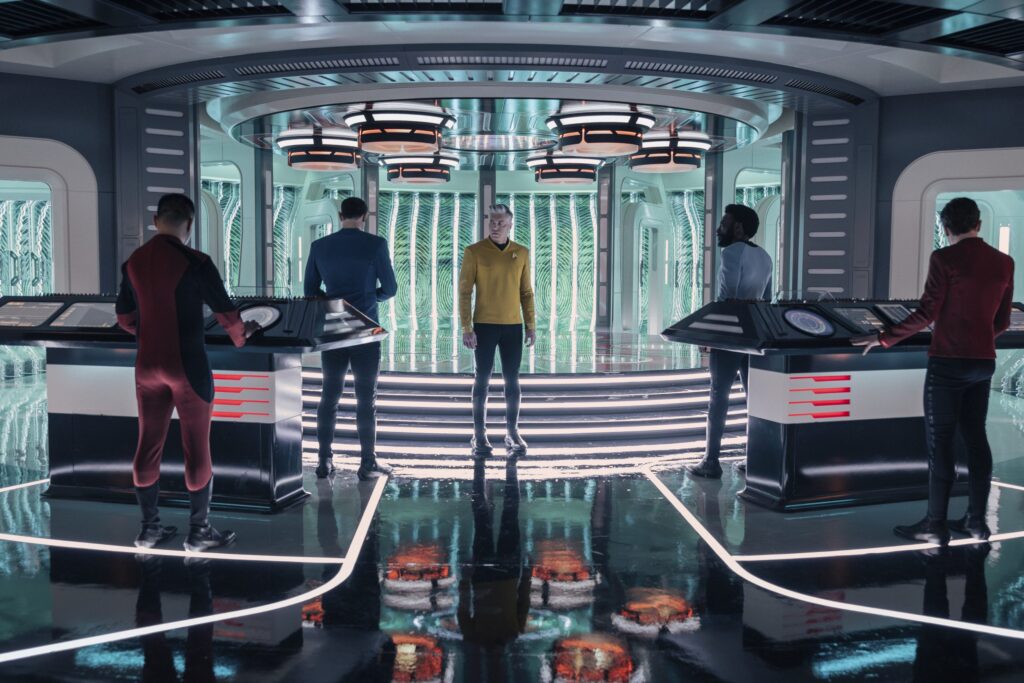 Strange New Worlds returns with dinosaurs, ancient Martians, and an impossible moral choice. “Valles Marineris” is ambitious, funny, visually impressive, and far too eager to explain the entire history of the Solar System in one hour.
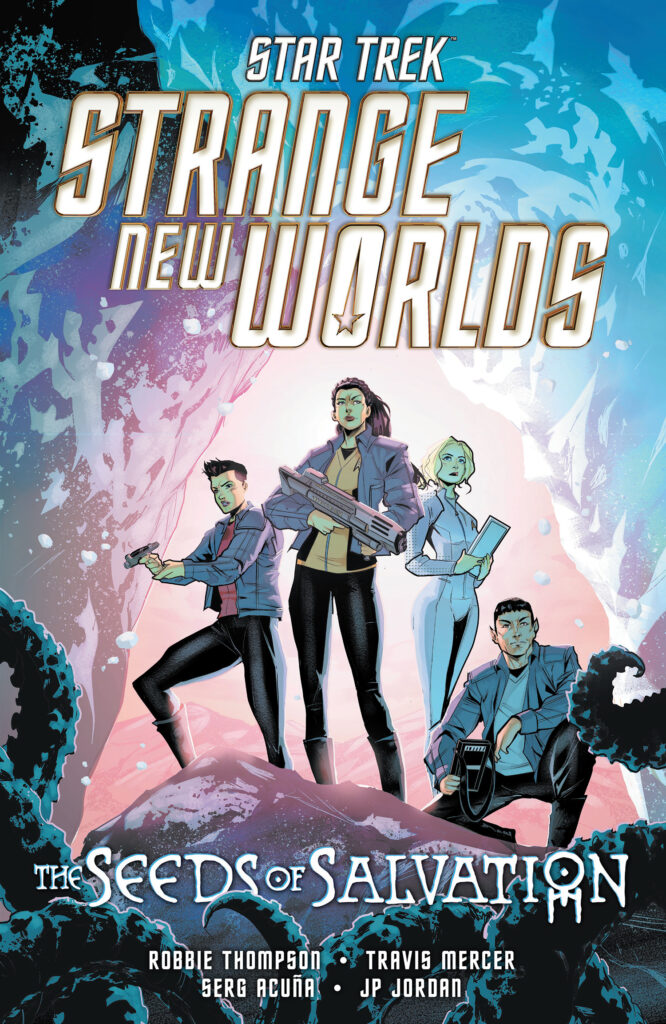 Christine Chapel leads a rescue mission into an ancient prison hidden beneath the frozen world of Poilant in Star Trek: Strange New Worlds — The Seeds of Salvation. Robbie Thompson delivers a thoughtful horror-flavoured Star Trek adventure with strong character work, impressive artwork, and a satisfying Trek conclusion, even if a mid-book art change and a few familiar tropes stop it short of greatness.
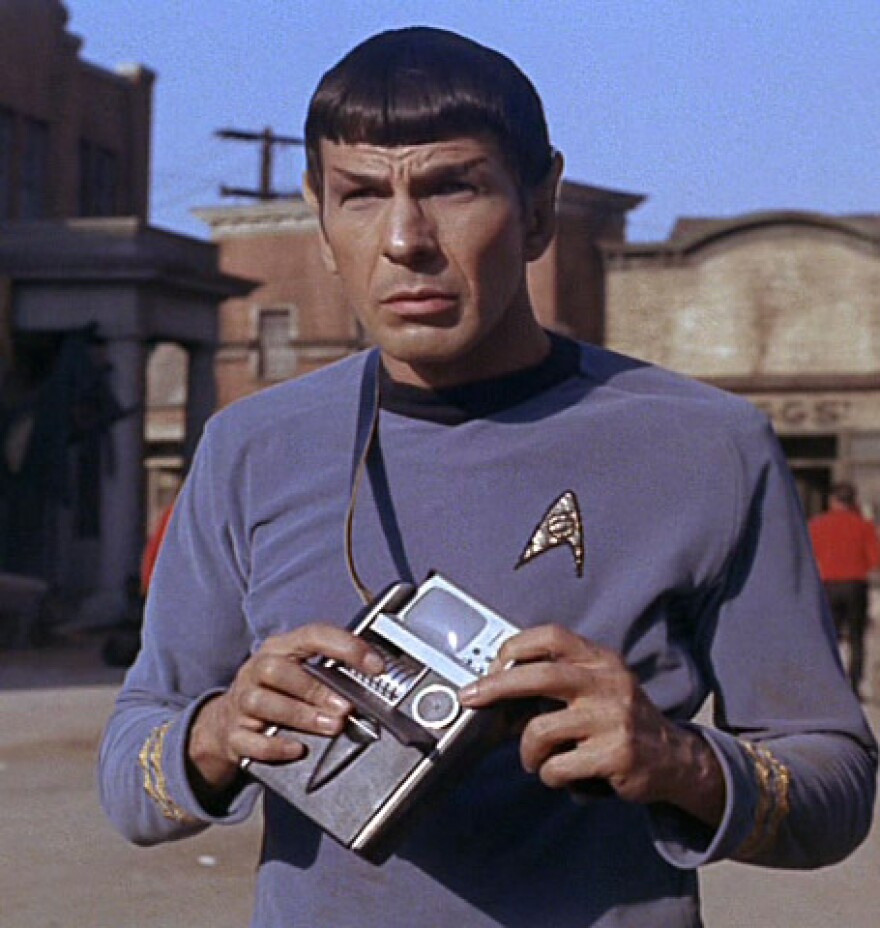 The tricorder is more than a handheld scanner. Through its design, use, and storytelling economy, it represents Star Trek’s faith in evidence before action.