Star Trek: Strange New Worlds — “Human Best Friend” (S04E03) Review
Spock places his fingers against the leaves of an office plant and prepares to perform a Vulcan mind meld.
“My mind to your leaves. My thoughts to your root system.”
It is utterly ridiculous.
I loved it.
More importantly, I completely believe that this version of Spock would do it.
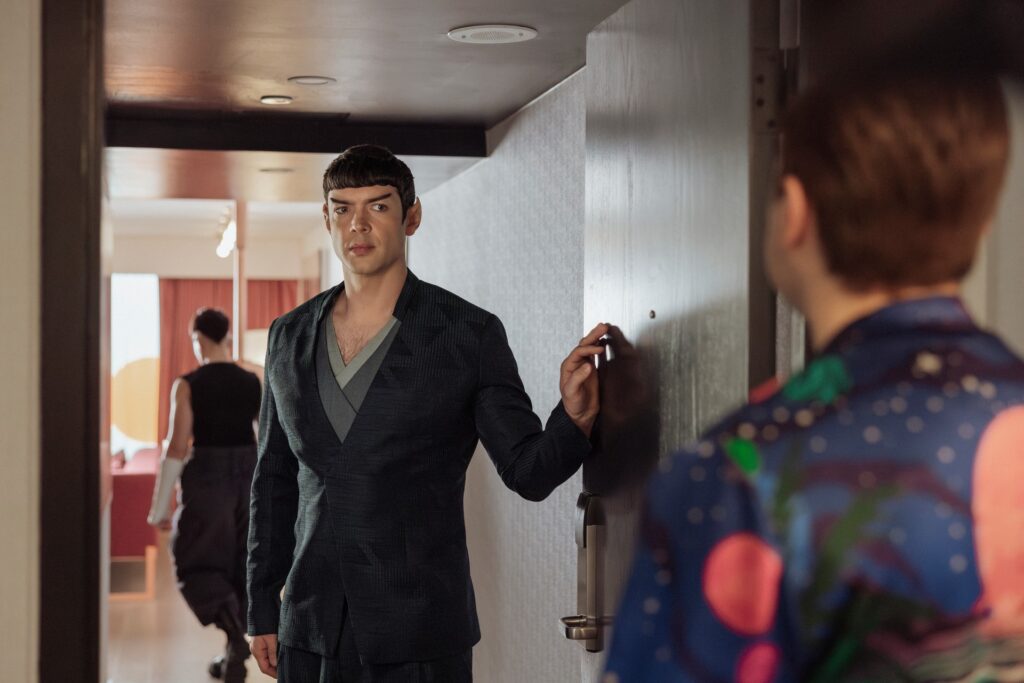
That distinction ended up mattering quite a lot during “Human Best Friend”, an episode that repeatedly asks how far Star Trek can stretch its characters for a joke before something snaps.
Star Trek can be silly. It has been silly since the 1960s. Some of its best episodes are comedies.
But there is a difference between putting serious people into ridiculous situations and turning those people into the ridiculous situation.
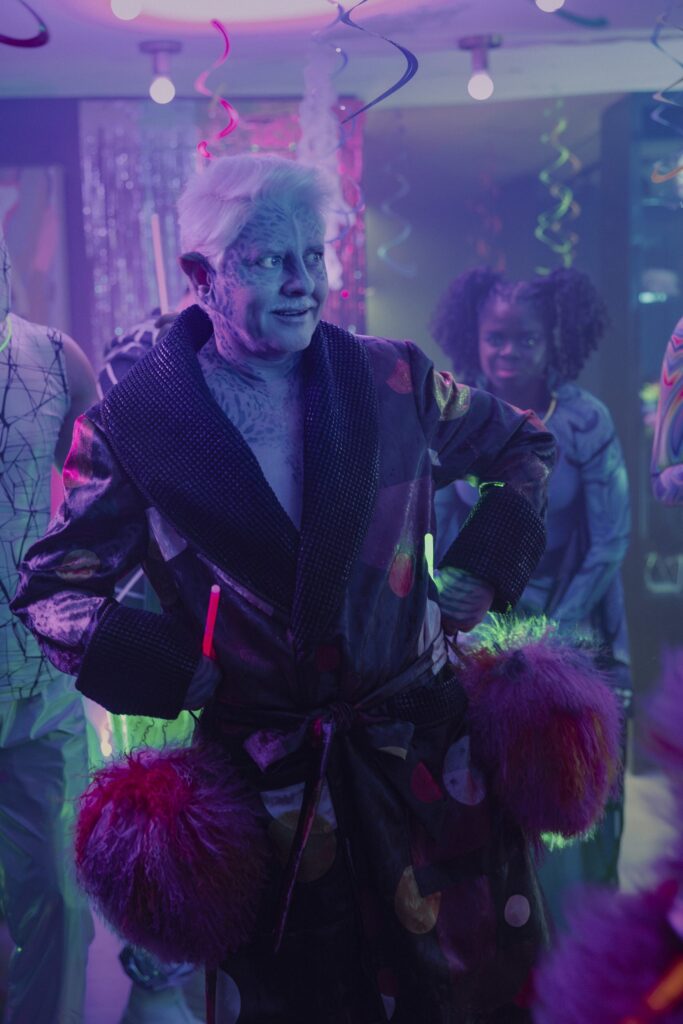
“Human Best Friend” manages to do both.
After everything the Enterprise crew has been through, Pike agrees that Alpha Shift needs a proper break before important peace negotiations with the Rodaxians. The destination is the Cesnar Grand, a resort where the atmosphere produces a tailored form of intoxication intended to give each visitor whatever kind of release they apparently need.
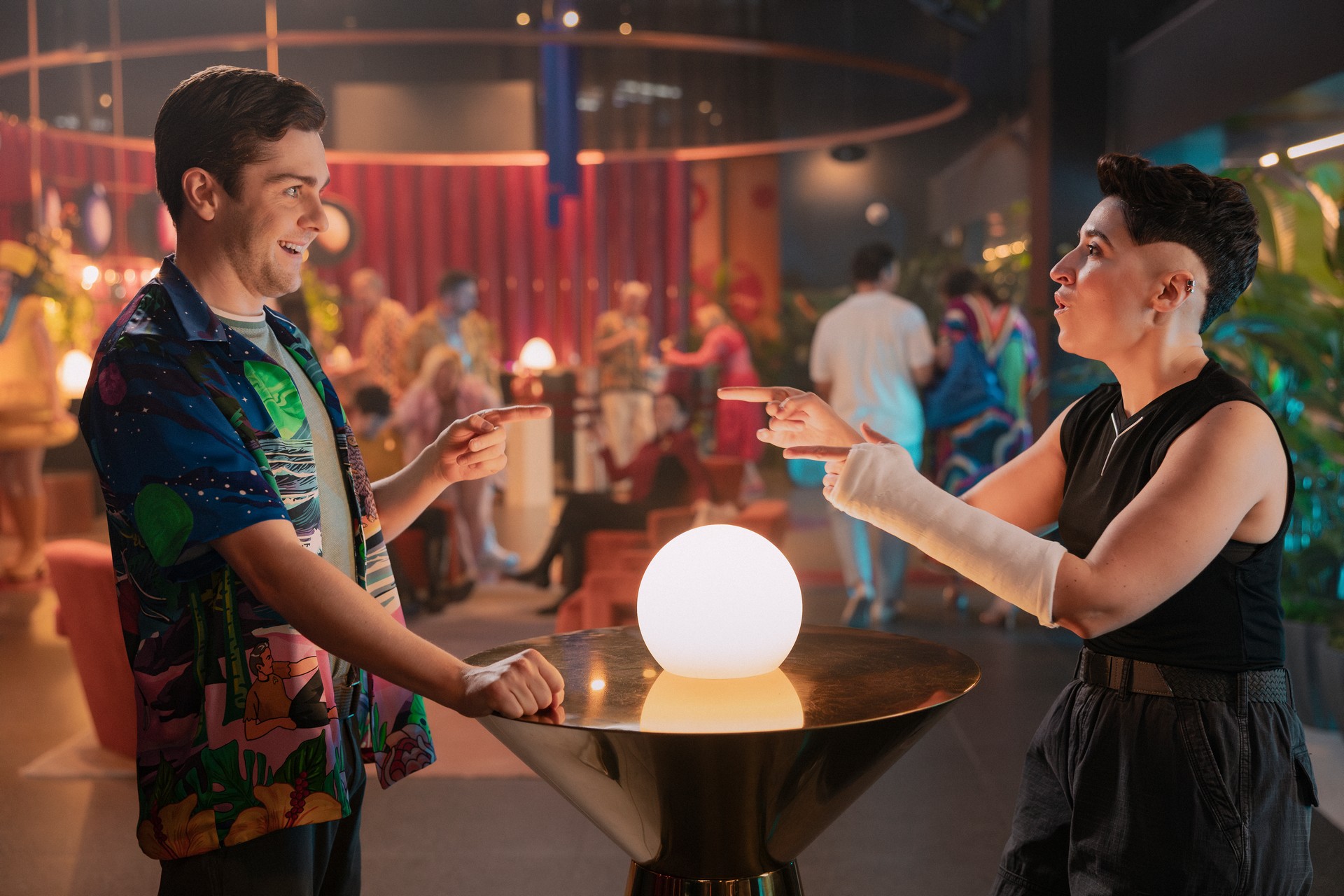
Then Ortegas wakes up wearing a cast with no memory of what happened.
Scotty is dressed as a Mugato.
Their shuttle has disappeared.
Most of their crewmates are still spectacularly incapacitated.
And negotiations that were supposed to happen in two weeks are now happening in two hours.
So yes, this is basically Star Trek doing The Hangover.
Against my better judgement, quite a lot of it works.
Scotty and Ortegas
The best thing in “Human Best Friend” is Scotty and Ortegas.
I have never been especially bothered one way or the other by Ortegas. Scotty is another matter. Martin Quinn has rapidly become one of my favourite things about Strange New Worlds, finding a version of Montgomery Scott that feels connected to James Doohan without turning into an impression of him.
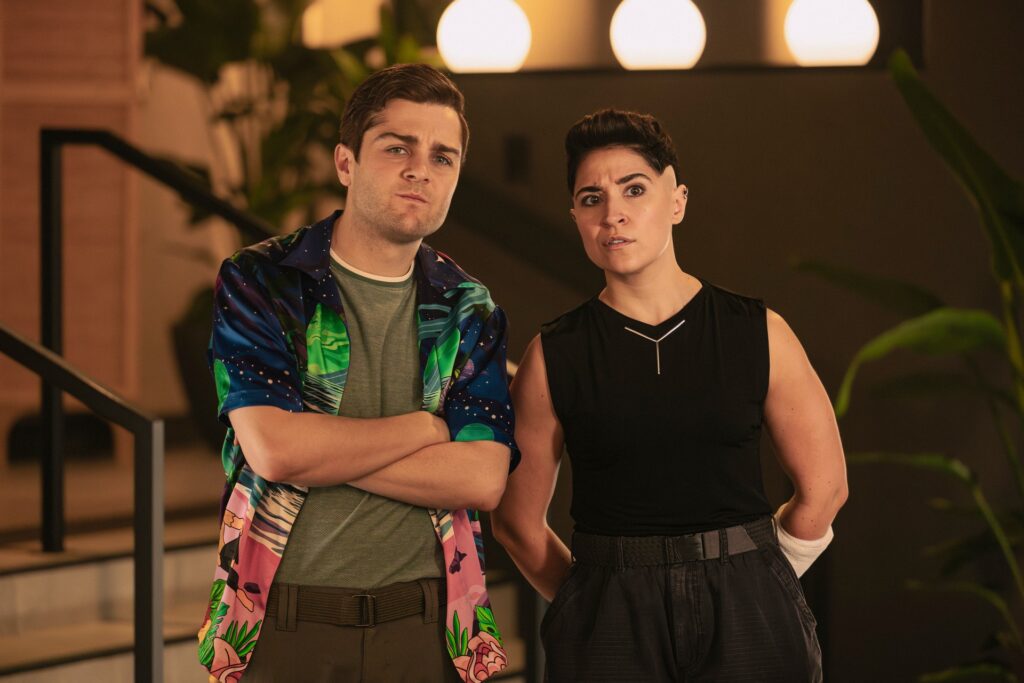
Putting these two together works far better than I expected.
Their friction initially seems fairly superficial. Ortegas thinks Scotty is interfering with how she flies the Enterprise. Scotty thinks Ortegas treats his engines like something she can throw around without consequences.
Underneath it, though, both are reacting to something they see in the other.
Ortegas wanted to be an engineer and came away believing she did not have the ability for it.
Scotty may be brilliant in engineering, but piloting is another matter. He admits crashing seven shuttles during training.
Each of them is looking at somebody who can comfortably do something they struggled with.
That gives their irritation an actual foundation.
The shuttle conversation works because neither suddenly delivers a grand speech explaining their childhood trauma. They just start talking, realise they have misread each other, and gradually recognise where the hostility has actually been coming from.
And they become friends.
Just friends.
Thank you.
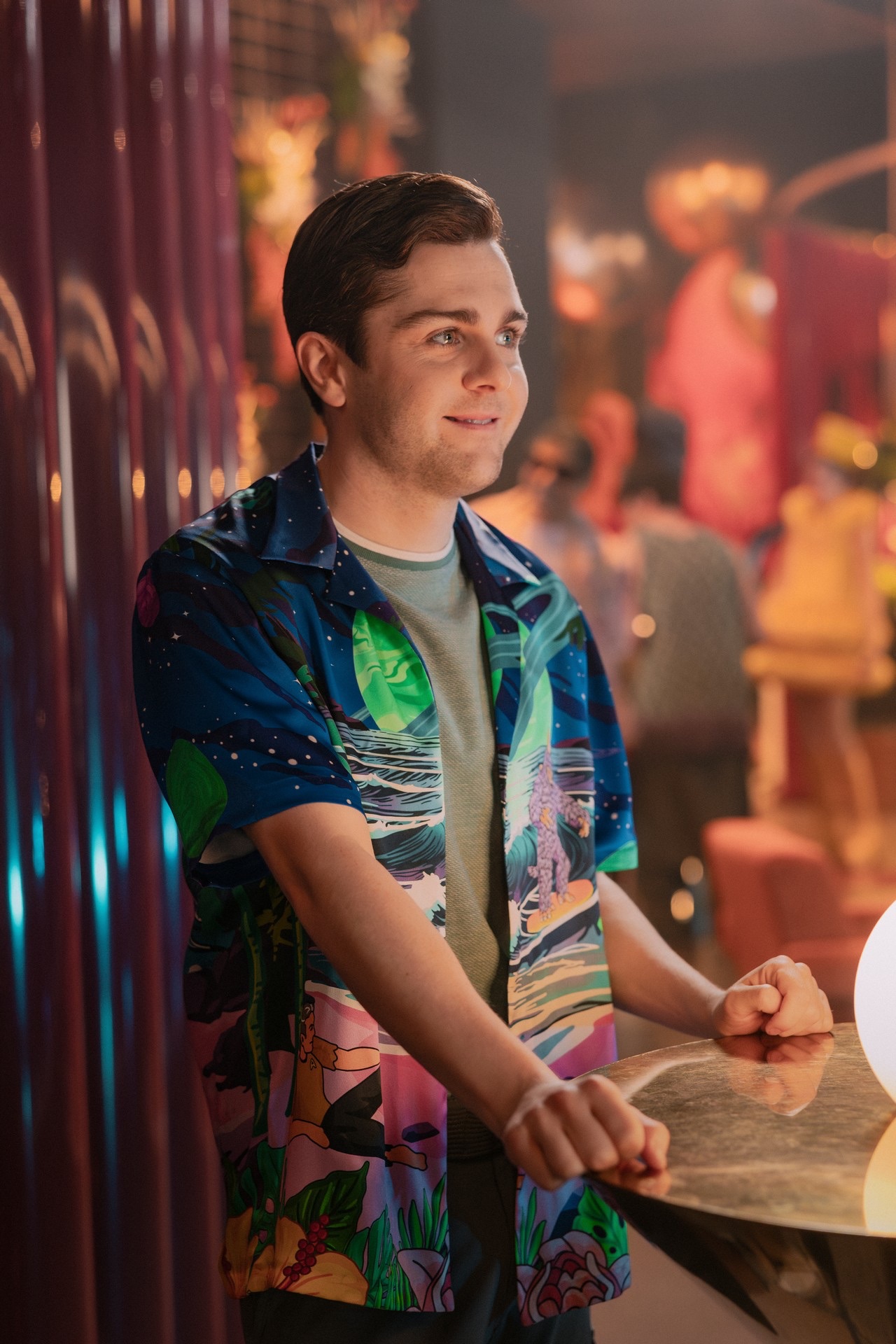
Two people can dislike each other, understand each other, and eventually form a close relationship without Strange New Worldsdeciding somebody needs to kiss.
Considering Ortegas has never been a character I have particularly connected with, this episode may have done more for her than most of the series so far.
I really like these two together.
Spock Needs a Friend
Spock gets most of my biggest laughs.
The trick is that he never really stops being Spock.
He apologises for the state of his room before making an almost imperceptible adjustment to a chess piece.
He informs Scotty and Ortegas that he is “quite incapacitated” while appearing, to them at least, almost completely normal.
Then he meets the plant.
His conclusion that it may actually be some form of photosynthetic technology is exactly the kind of logical step an intoxicated Spock should make. Everyone else sees a houseplant. Spock sees an unknown biological interface requiring investigation.
Naturally, he mind melds with it.
That is why the joke works.
Spock has not become the punchline.
Spock being completely and sincerely Spock is the punchline.
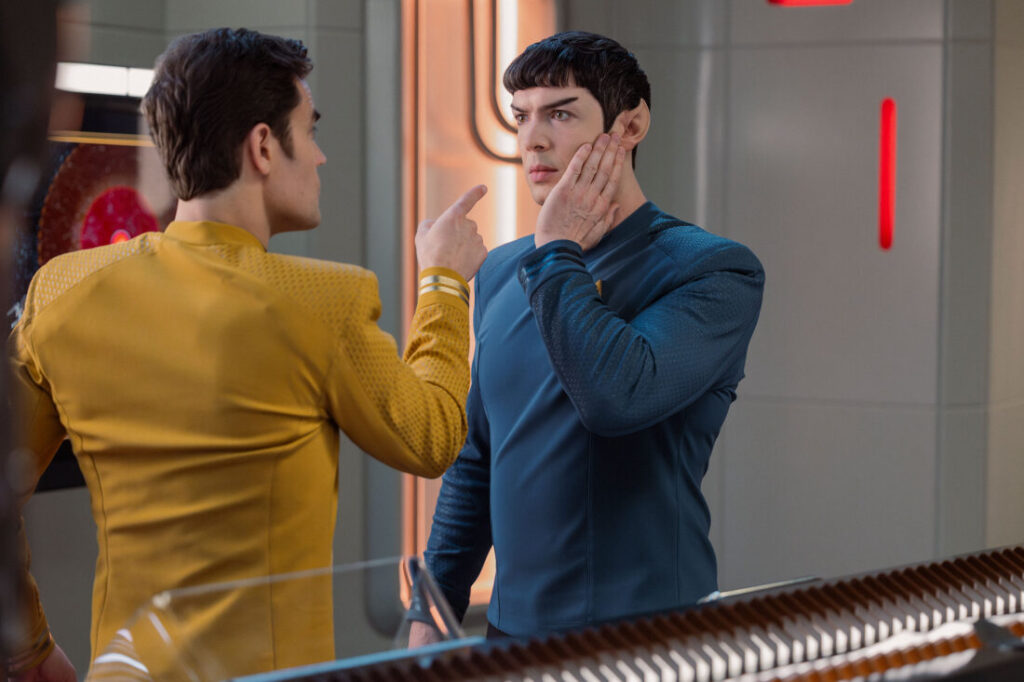
His later confusion over whether people are plants becomes even funnier because Ethan Peck plays all of it with absolute conviction.
Then there is Kirk.
I can already understand why some people are going to hate this part.
Spock believes James Kirk is a hallucination created by his own mind because what he apparently needs is a human best friend. Believing Kirk is not really there allows him to lower barriers he otherwise would not.
Then we discover Kirk was actually there the entire time.
Is it contrived?
Absolutely.
I still liked it.
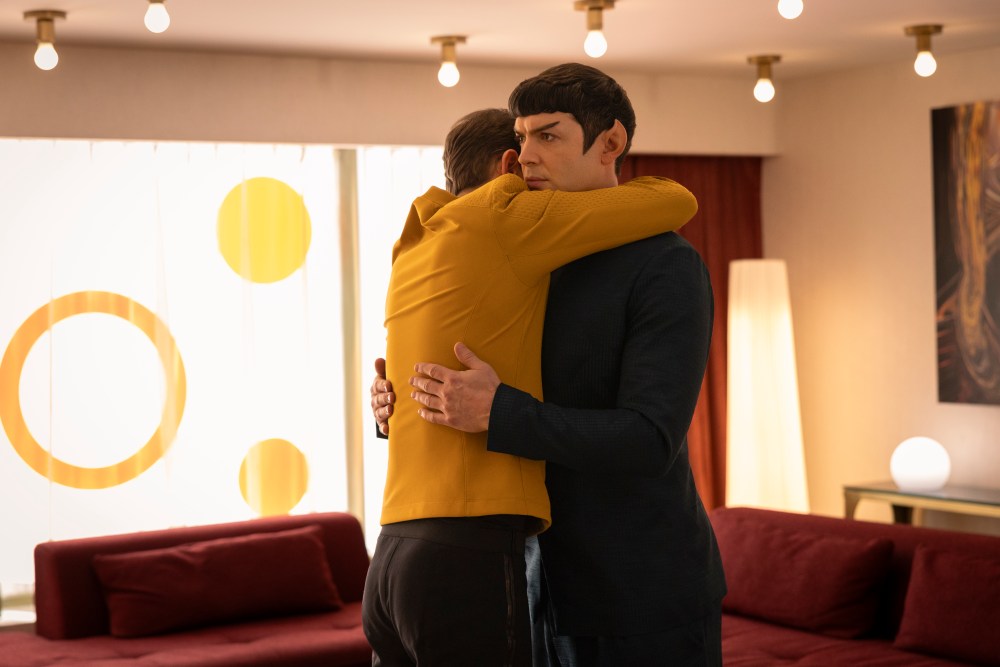
We know where these men are heading. Kirk and Spock will eventually have one of the defining friendships in the entire franchise, and I enjoy watching some of that relationship begin to form.
I do not need their friendship to happen exactly as I imagined it might have happened sometime during the last forty years.
Ethan Peck and Paul Wesley make the scene work because underneath the very silly setup there is something rather lovely about Kirk simply listening to him.
Spock needs somebody.
Kirk is there.
Sometimes that is enough.
Then There Is Pike
Not every character survives the comedy so well.
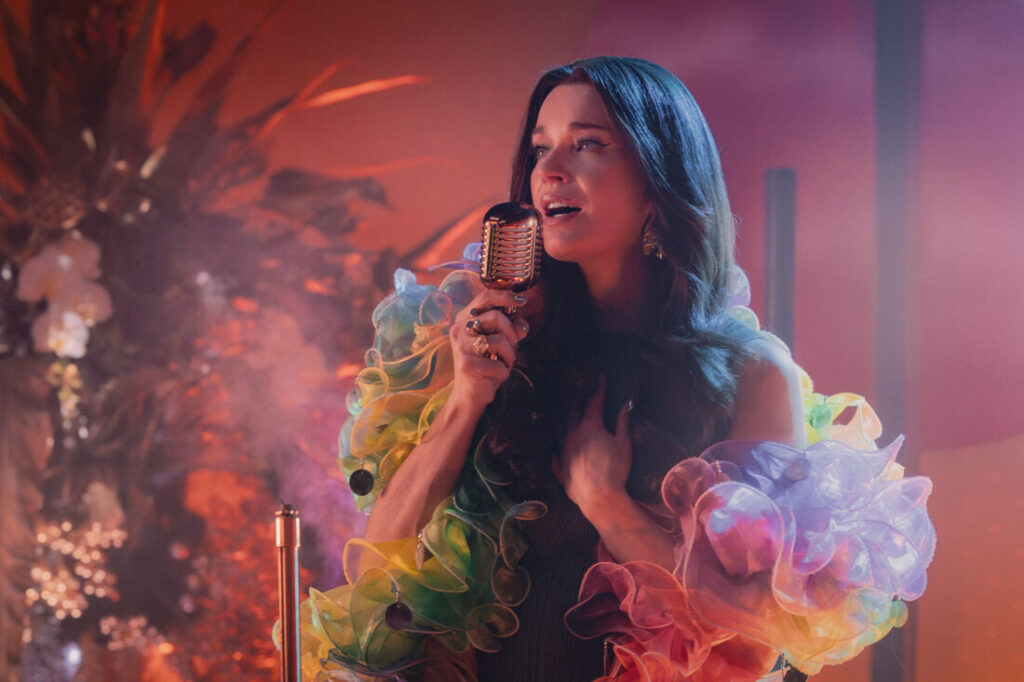
Una singing “Total Eclipse of the Heart” in Klingon works beautifully because Rebecca Romijn gives herself completely to it. Nobody stops to tell us how ridiculous this is. Una simply performs a Klingon power ballad like her life depends upon it.
Uhura abandoning structure and becoming some sort of free spirited relaxation guru is funny because it reverses something recognisable about her.
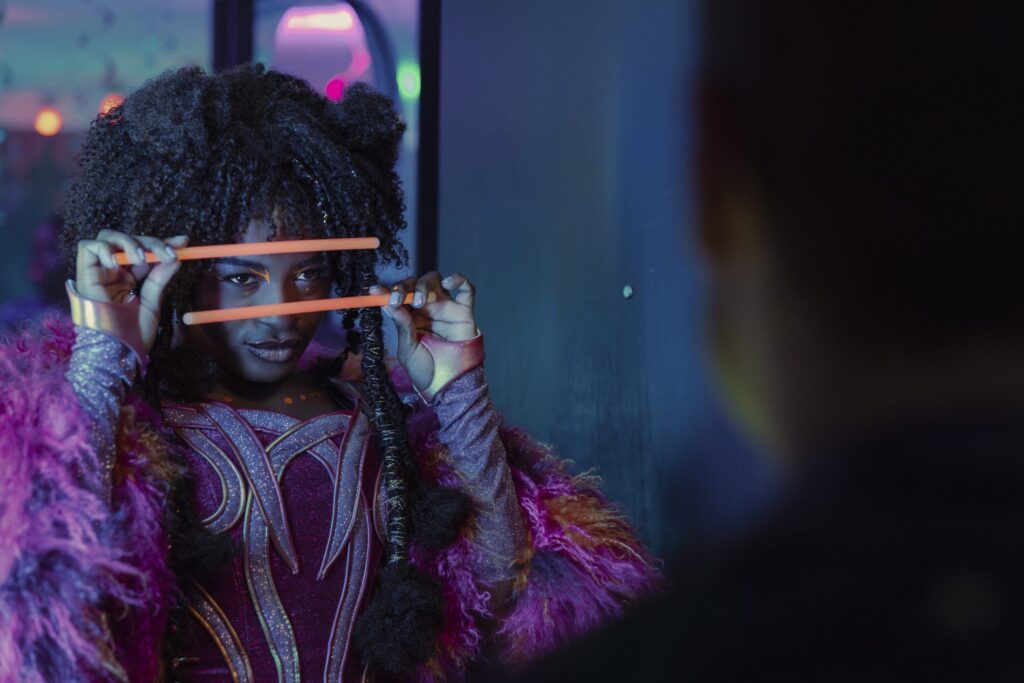
M’Benga trying his hand at flair bartending works for much the same reason.
Then we get Pike.
This did not work for me at all.
Anson Mount certainly commits to intoxicated Pike. I am sure plenty of people will find him hilarious.
I found him irritating.
There is nothing wrong with Christopher Pike getting drunk. There is nothing wrong with showing the captain making a fool of himself during shore leave.
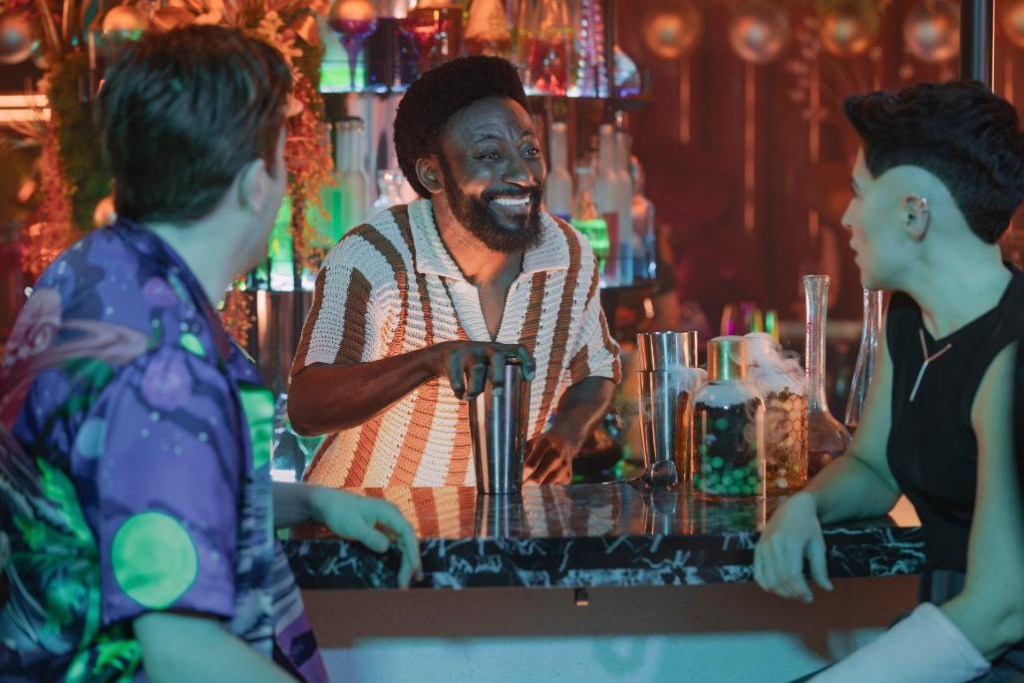
The problem comes when shore leave is over and he is still behaving like this while representing Starfleet during sensitive peace negotiations.
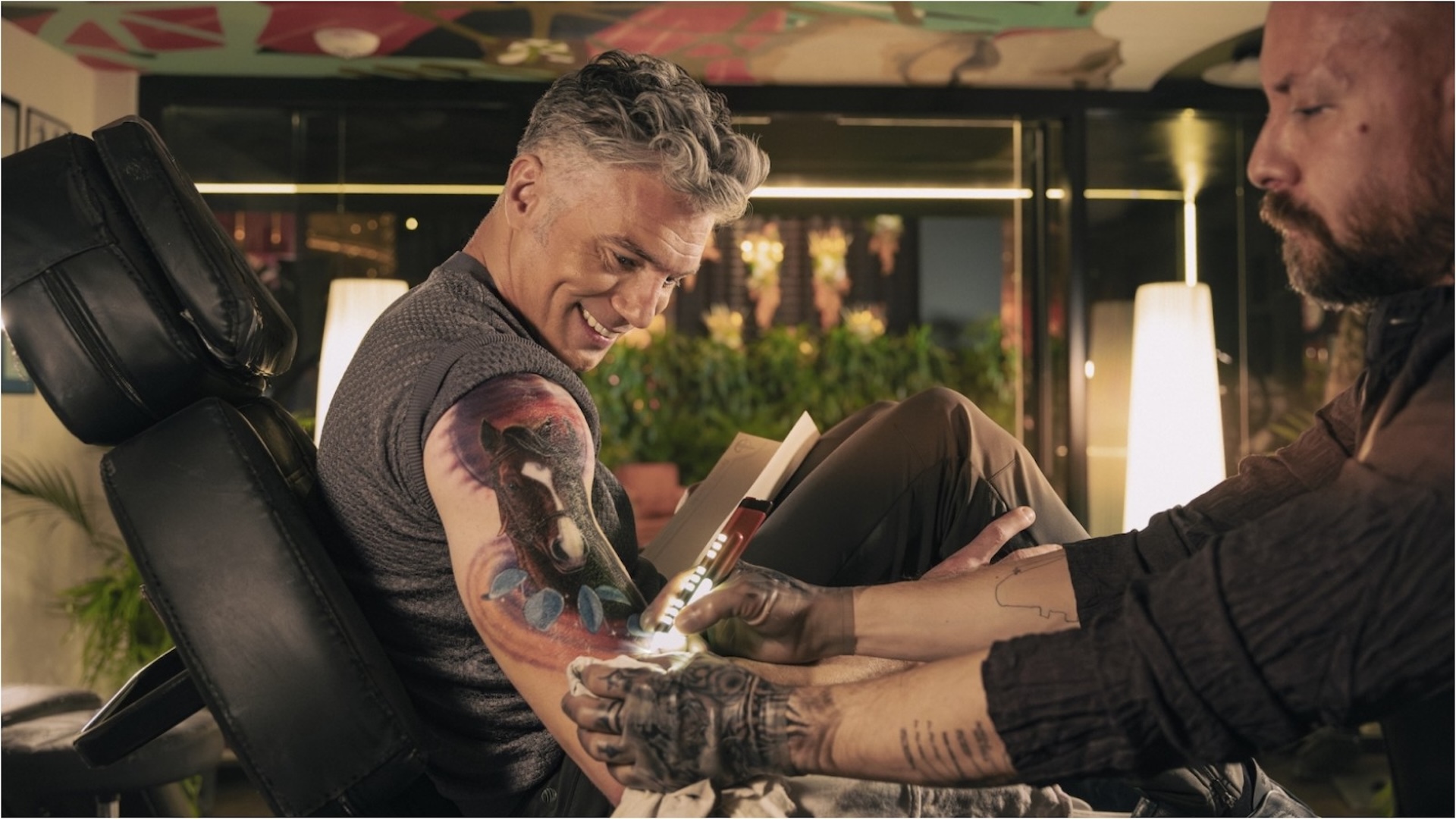
The tattoos bothered me as well.
I have tattoos. I have a tattooed hand. I also manage to hold down a perfectly respectable professional job, as do plenty of other tattooed people.
Using increasingly visible tattoos as part of the visual shorthand for how far Pike has apparently fallen into irresponsible behaviour feels strangely dated.
But the tattoos are not really the problem.
Pike is.
The episode has told us the Rodaxian negotiations matter. There is a civil conflict involved. Their diplomatic customs are precise enough that Uhura has been preparing everyone for how carefully they need to behave.
Then an intoxicated Pike stumbles through it.
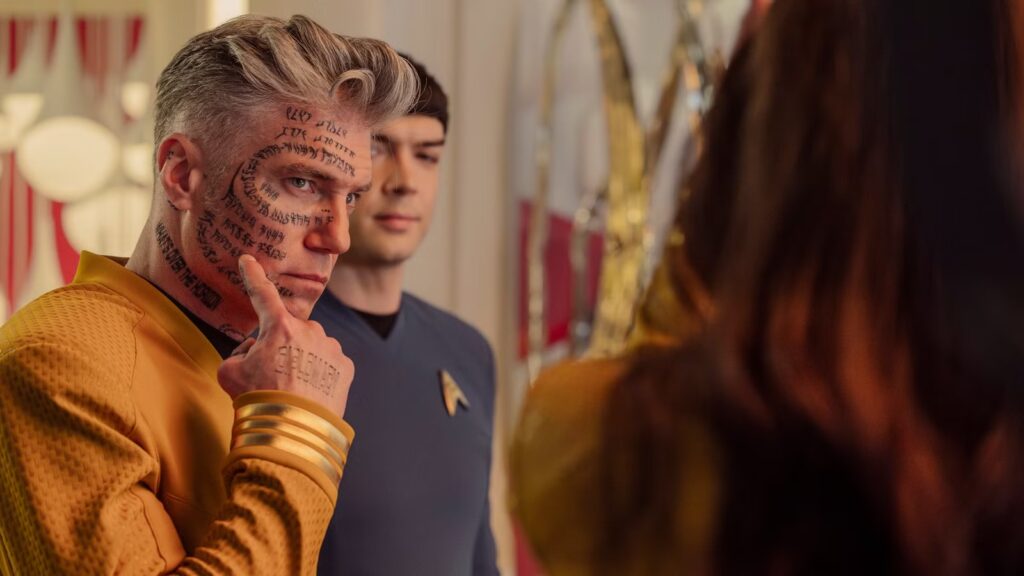
At some point somebody really should have said that perhaps Beta Shift could handle this one.
The episode actually reminds us that Alpha Shift exists, which only makes the absence of another perfectly capable duty shift more obvious.
Comedy needs some elasticity.
It should not require the Enterprise to temporarily forget how a starship works.
For me, this is Pike’s weakest episode of Strange New Worlds so far.
When Characters Become Gags
That problem keeps appearing elsewhere.
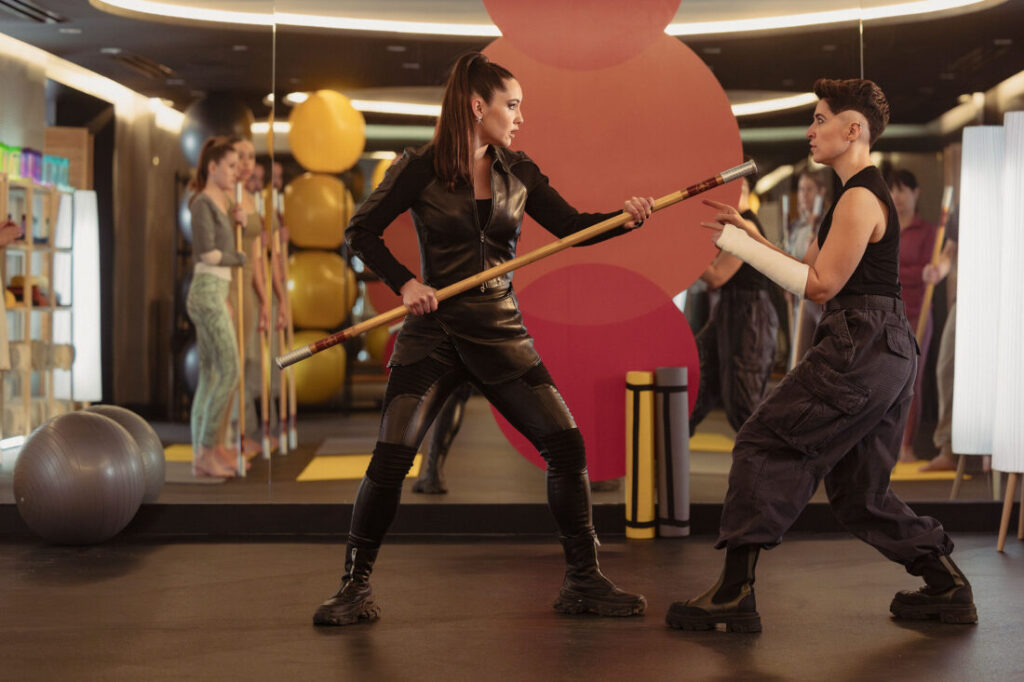
La’an becoming the leader of an aggressive gang is amusing for a while, but it is another variation on the increasingly familiar idea that removing La’an’s restraint simply reveals violence underneath.
Chapel becoming terrifyingly competitive at bingo feels less like discovering something about Chapel and more like giving Jess Bush a comedy sketch.
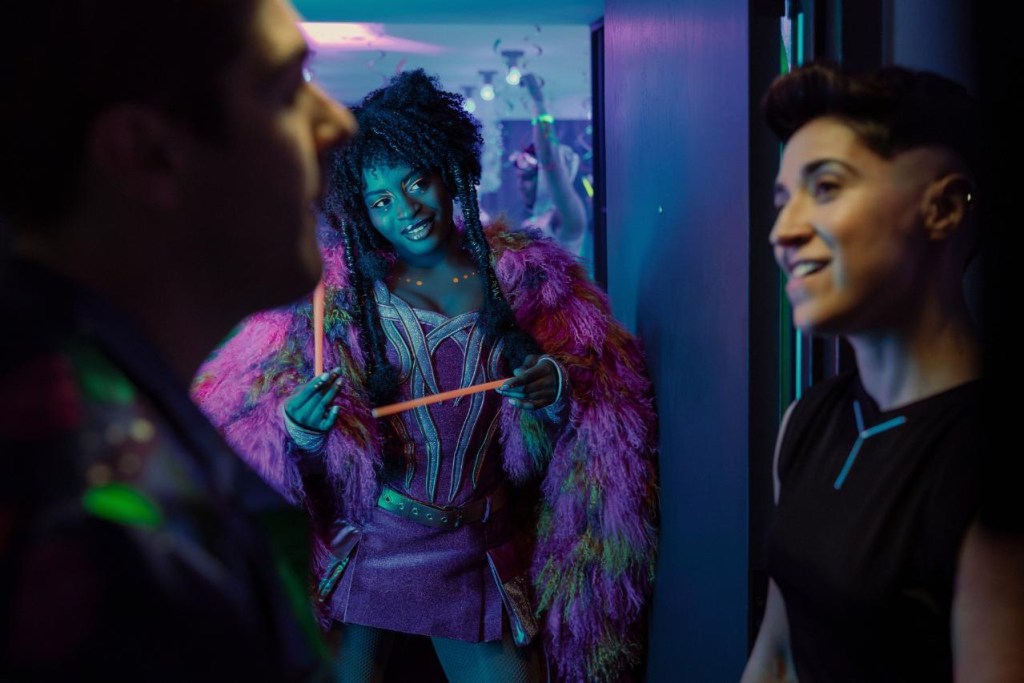
Scotty and Ortegas spend time finding a tricorder, only for Scotty to immediately break it because another obstacle is required.
Then there is the ending.
The shuttle explodes and, through astonishing good fortune, the Rodaxians interpret the display as resembling their formal rite of peace.
Problem solved.
That is not really the characters solving the diplomatic crisis.
It is the script giving them exactly the coincidence they need.
The attempted sacrifice aboard the shuttle has another problem.
Scotty is going to survive.
I know this.
You know this.
The USS Jenolan knows this.
That is simply one of the limitations of putting established characters in mortal danger during a prequel.
Fortunately, the scene still works as a Scotty and Ortegas moment. Their willingness to risk themselves tells us how far their relationship has travelled during the episode, even if nobody seriously believes Scotty is about to vanish from the rest of Star Trek.
The emotion works.
The danger does not.
A Very Good Looking Bad Holiday
Visually, “Human Best Friend” has much more control than some of its comedy.
The Cesnar Grand has exactly the slightly tacky retro future look I want from a Star Trek pleasure planet. It is bright, artificial, inviting, and just suspicious enough that I would probably still book three nights.
The animated advertisement is particularly good.
Using a style that evokes The Animated Series, along with familiar pieces of older Star Trek visual language, makes the resort feel as though it is selling an idealised version of the future from inside the future itself.
The hotel room aftermath is even better.
Ortegas wakes among scattered debris, a wandering tribble, strange clothing, and the evidence of a night neither she nor Scotty can remember. Then Scotty appears dressed as a Mugato.
Before anybody explains anything, the set has already told us what sort of evening they had.
I spent years writing and lettering comics, and that sort of storytelling economy still gets me.
Give me the image.
Let me work backwards.
The production also knows when to bring everything down. Scotty and Ortegas get quieter framing when the comedy gives way to actual conversation, which helps their relationship feel more personal than the chaos surrounding it.

Rebecca Romijn’s Klingon performance works for the same reason.
Complete commitment.
No wink.
No apology.
Just Una absolutely going for it.
How Far Can Star Trek Bend
The strange thing about “Human Best Friend” is that its best joke and some of its worst jokes are built from exactly the same idea.
Take a familiar character.
Remove their normal restraint.
See what happens.
With Spock, it reveals more Spock.
With Scotty and Ortegas, it reveals insecurity, admiration, and eventually friendship.
With Una, it gives us Klingon Bonnie Tyler.
With Pike, it eventually stops feeling like Christopher Pike at all.
That is where I think the episode finds its line.
“Those Old Scientists” had a far more ridiculous premise. Two animated characters literally crossed into live action Star Trek.
Yet I believed it.
Boimler remained Boimler.
Mariner remained Mariner.
Pike remained Pike.
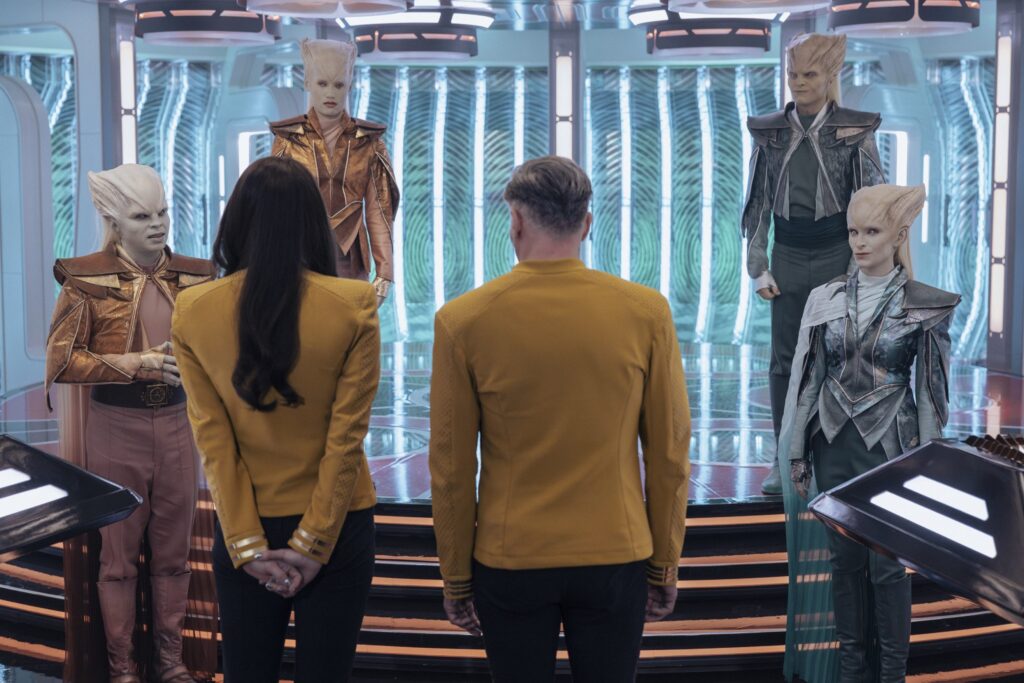
The universe bent around them, but the characters remained solid.
“Human Best Friend” is much less consistent.
Spock can mind meld with a houseplant and somehow feel completely believable.
Pike can walk into diplomatic negotiations with face tattoos and suddenly the Enterprise feels like a set.
That is not about realism.
None of Star Trek is realistic.
It is about internal reality.
These people have to believe that what is happening matters even when we are laughing at it.
When “Human Best Friend” remembers that, it is funny, warm, and surprisingly good at character.
I came away liking Ortegas more than I did before. I like her friendship with Scotty enormously. Martin Quinn remains excellent. Spock made me laugh repeatedly, and I even enjoyed the shamelessly contrived beginning of Kirk and Spock becoming proper friends.
There is a lot here I genuinely enjoyed.
But…
The episode keeps pushing until characters stop reacting to absurdity and start becoming part of the sketch themselves.
That is where it loses me.
“Human Best Friend” works best when serious people are having a ridiculous day.
It works considerably less well when being ridiculous becomes the whole person.
I laughed far more than I expected.
I also spent rather too much of the final act wondering why nobody had called Beta Shift.
7/10