-
-
-
-
-
Star Trek: TOS – The Corbomite Maneuver (S01E10)
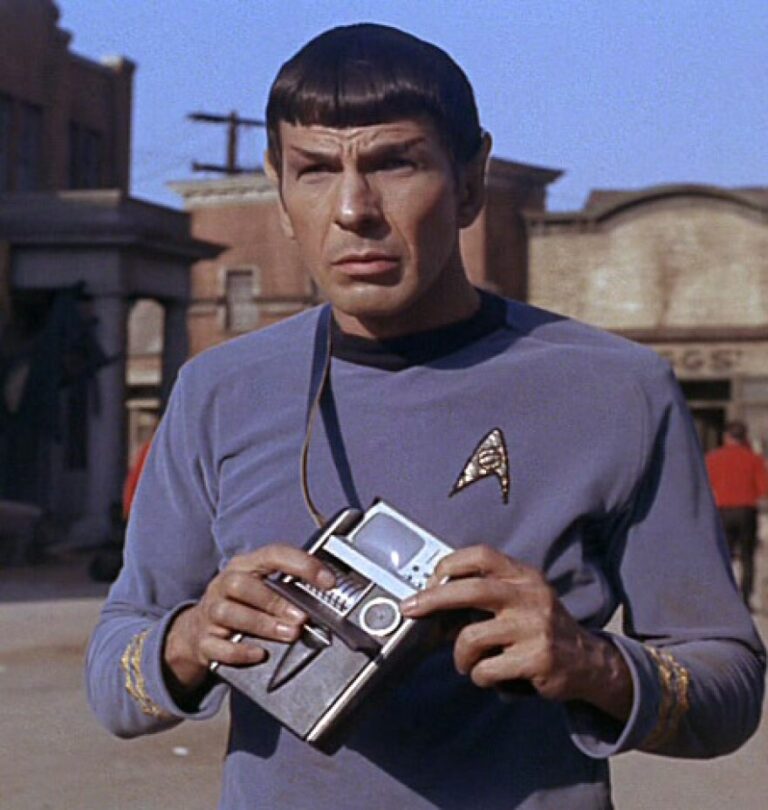
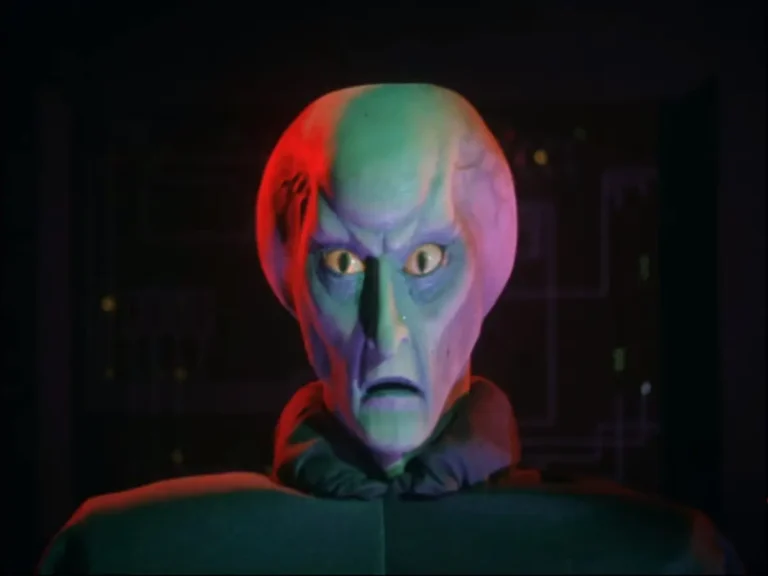
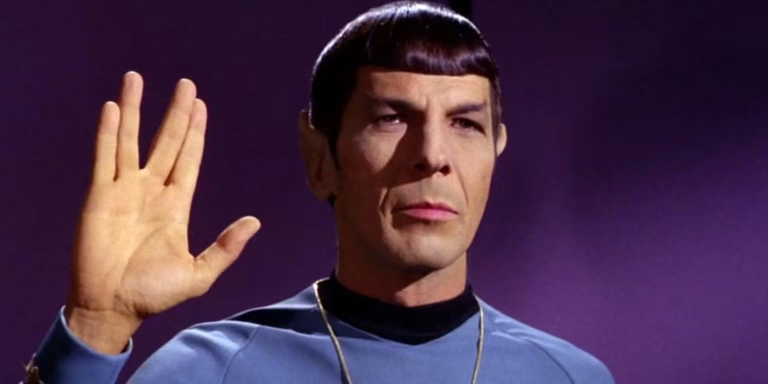
There’s a small moment early on that tells you more about this episode than the plot ever does. Spock looks at Balok’s face on the viewscreen, a snarling oversized puppet built to terrify, and instead of flinching he says one word: fascinating. Leonard Nimoy was still refining Spock at this point, and director Joseph Sargent reportedly told him to be different, be the scientist, be detached. That single word is where the Spock we all recognise really starts to emerge. It’s a quiet decision, and it tells you everything about what this episode is doing underneath the space bluff and the countdown clock.
-
Spock: A Bridge Between Two Worlds (Character Spotlight)
A bridge belongs to neither shore. Its purpose is to connect two places without ever becoming either of them. No character in Star Trek embodies that better than Spock.
Look at the moment in “Amok Time” when he turns and sees Kirk alive. Seconds earlier he believed he had killed his captain with his own hands, in ritual combat, on the soil of his homeworld. Then Kirk walks back into the room, and the most disciplined officer in Starfleet breaks into a grin and shouts his name before he can stop himself. “Jim!” Then comes the recovery, the face reassembling itself. The grin is the man. The recovery is the officer he has trained himself to be.
-
Star Trek: TOS — Miri (S1E08)
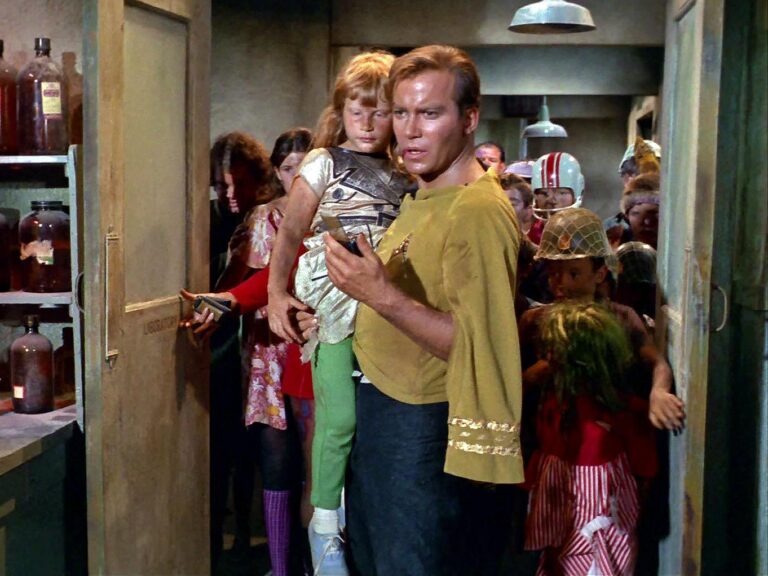
The children are heard before they’re seen. Voices carry down an empty street, a playground chant bounces off buildings nobody has lived in for centuries, laughter arrives with nothing funny behind it. Spock describes them scurrying away “like animals,” and for a stretch in the middle of it, “Miri” is one of the genuinely unsettling things Star Trek made in the 1960s. Long before zombies became a genre anyone could phone in, TOS built a dead suburb full of feral children and trusted the silence to do most of the work.
-
Star Trek: TOS – What Are Little Girls Made Of? (S01E07)
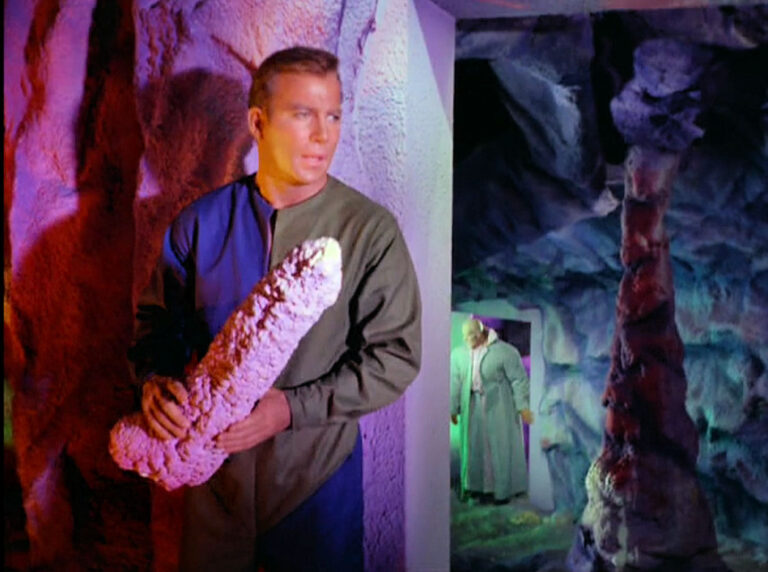
There is a profound gulf between a clean, mid-century sci-fi concept and the messy realities of a weekly television production schedule. Robert Bloch, the mind behind Psycho, hands over a script packed with meaty questions about identity, transhumanism, and the exact boundary where a machine begins and a human ends. It is a fantastic template. What the production does with it is more complicated.
-
Star Trek: TOS – Mudd’s Women (S01E06)
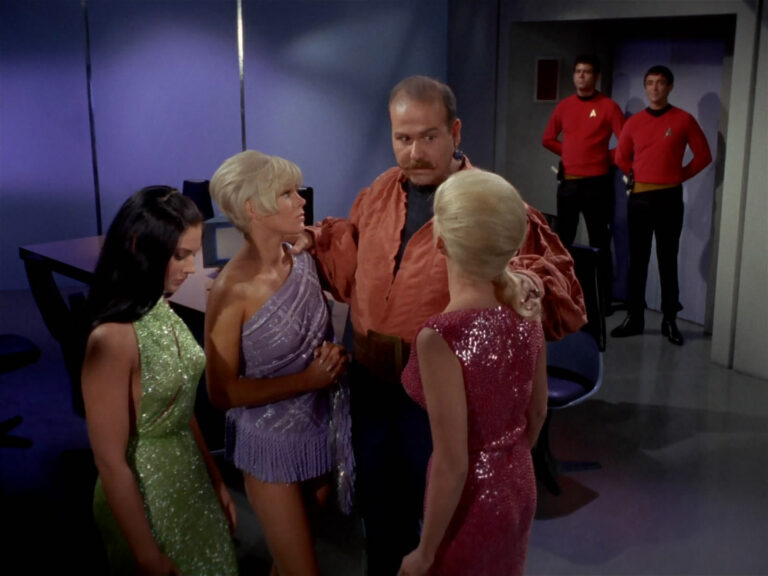
The reputation arrives before the episode does. Search “Mudd’s Women” in any Trek forum and you’ll find the same verdict repeated until it looks like consensus: rampant sexism, a story about space hookers, early TOS at its embarrassing worst. I read enough of it that the sheer volume eventually had the opposite effect. I sat down specifically to watch it and have my say.