-
-
-
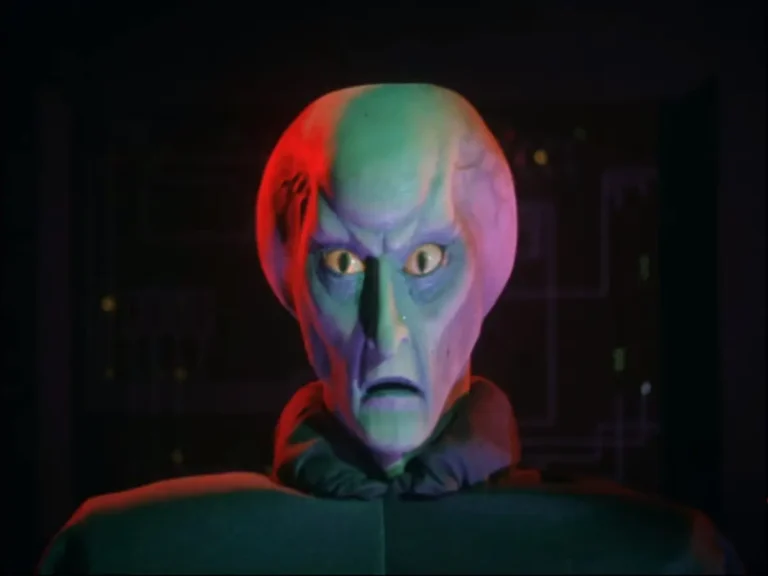
Star Trek: TOS – The Corbomite Maneuver (S01E10)
There’s a small moment early on that tells you more about this episode than the plot ever does. Spock looks at Balok’s face on the viewscreen, a snarling oversized puppet built to terrify, and instead of flinching he says one word: fascinating. Leonard Nimoy was still refining Spock at this point, and director Joseph Sargent reportedly told him to be different, be the scientist, be detached. That single word is where the Spock we all recognise really starts to emerge. It’s a quiet decision, and it tells you everything about what this episode is doing underneath the space bluff and the countdown clock.
-
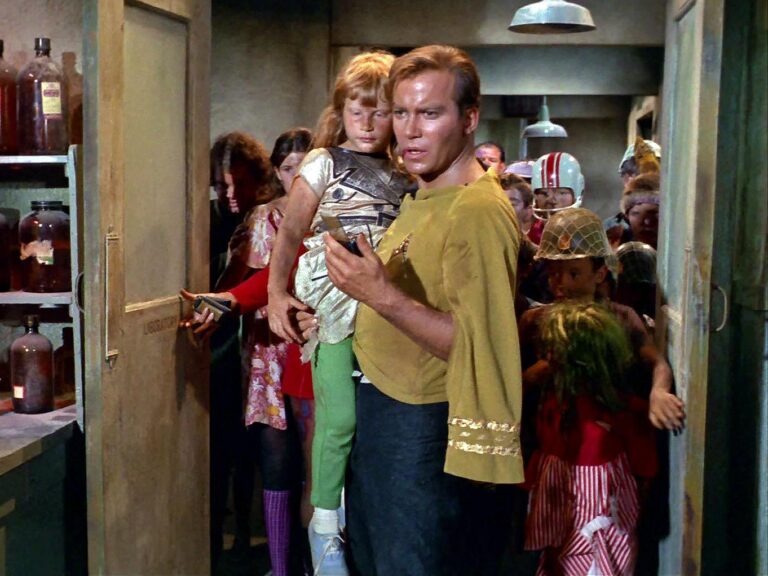
Star Trek: TOS — Miri (S1E08)
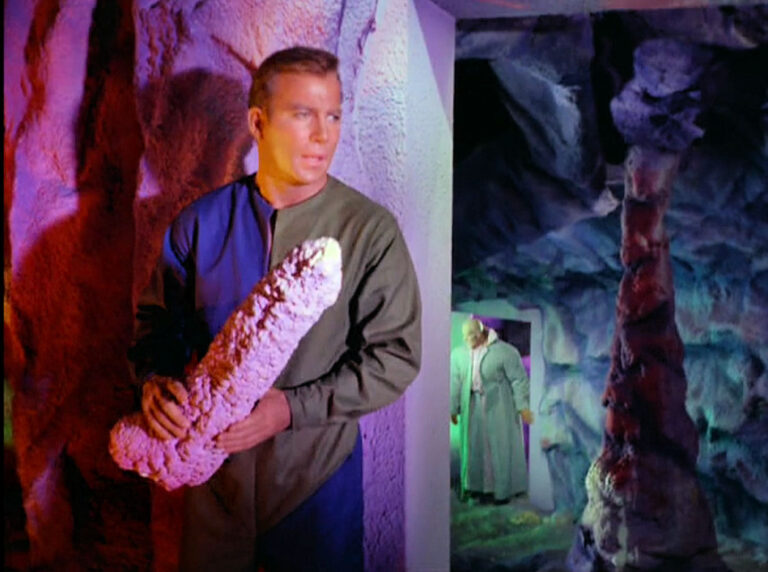
The children are heard before they’re seen. Voices carry down an empty street, a playground chant bounces off buildings nobody has lived in for centuries, laughter arrives with nothing funny behind it. Spock describes them scurrying away “like animals,” and for a stretch in the middle of it, “Miri” is one of the genuinely unsettling things Star Trek made in the 1960s. Long before zombies became a genre anyone could phone in, TOS built a dead suburb full of feral children and trusted the silence to do most of the work.
-
The Gorn: People or Monster’s? (Race Spotlight)
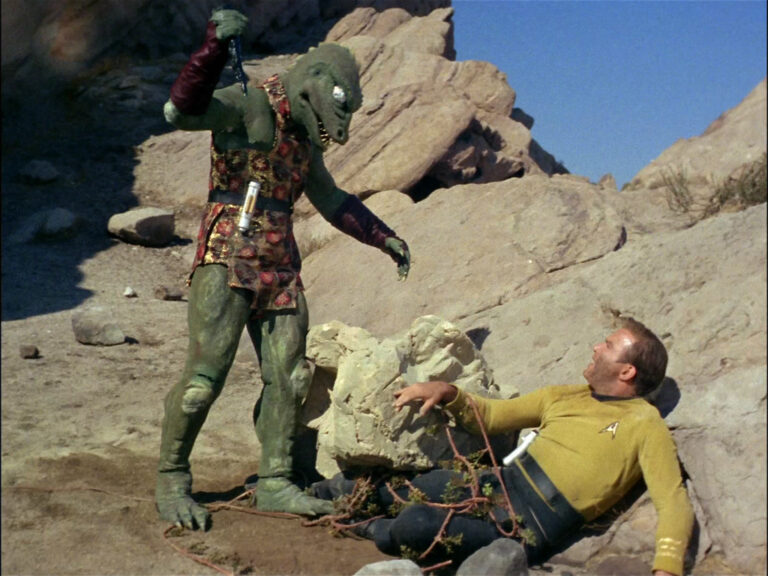
Kirk has the thing beaten. He has spent the back half of “Arena” turning a barren rock and a handful of raw minerals into a working cannon, sulphur and charcoal and a few rough diamonds packed into a length of bamboo, and now the Gorn captain is down in front of him, wounded and waiting for the killing blow. The Metrons have all but invited it. And Kirk lowers the weapon.
-
Star Trek: TOS – What Are Little Girls Made Of? (S01E07)
There is a profound gulf between a clean, mid-century sci-fi concept and the messy realities of a weekly television production schedule. Robert Bloch, the mind behind Psycho, hands over a script packed with meaty questions about identity, transhumanism, and the exact boundary where a machine begins and a human ends. It is a fantastic template. What the production does with it is more complicated.
-
Star Trek: TOS – Mudd’s Women (S01E06)
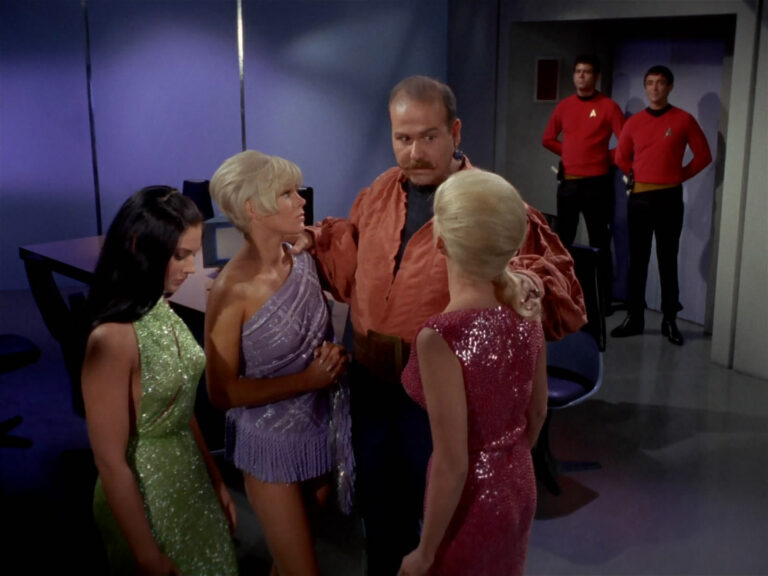
The reputation arrives before the episode does. Search “Mudd’s Women” in any Trek forum and you’ll find the same verdict repeated until it looks like consensus: rampant sexism, a story about space hookers, early TOS at its embarrassing worst. I read enough of it that the sheer volume eventually had the opposite effect. I sat down specifically to watch it and have my say.
-
Star Trek: Gold Key Archives Volume 1
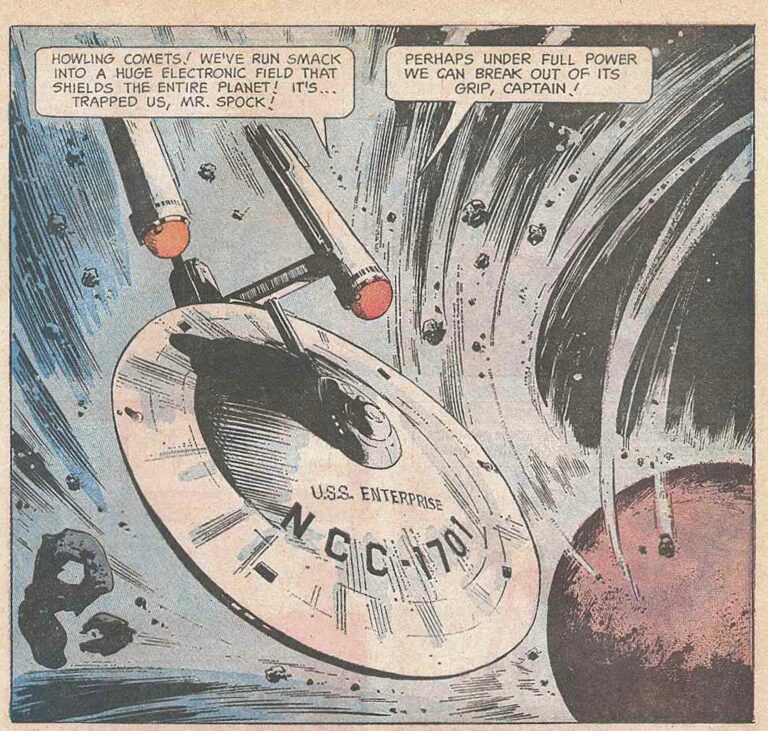
There’s a version of Star Trek that exists slightly to the left of the one you know.
The phasers are called lasers. The shirt colours are wrong. Spock occasionally behaves in ways that would make the television Spock raise an eyebrow. Kirk is a straightforward space hero rather than the complicated, contradictory, occasionally reckless man William Shatner was building on screen. Yet despite all that, the stories are recognisably Trek-shaped. Strange worlds. Impossible problems. Civilisations in crisis. The Enterprise arriving somewhere unusual and trying to think its way through a situation that shouldn’t have a solution.
-
-
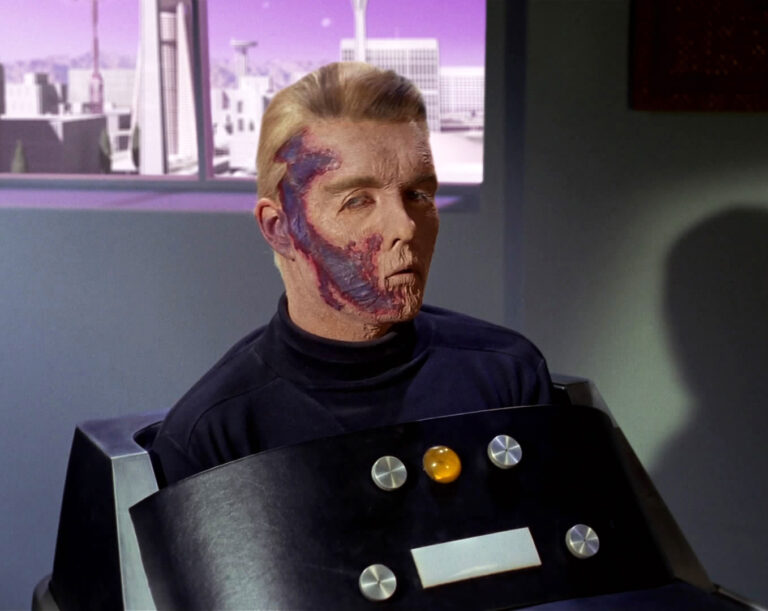
Star Trek: TOS – Where No Man Has Gone Before (S01E03)
I came to TOS backwards, the way most people my age did. TNG was the Trek I grew up with, the one that was actually on when I was old enough to care. TOS arrived later, in the way things did before streaming made chronology optional, in chunks, on whatever channel was running it that week, in an order that made no particular sense. “Where No Man Has Gone Before” was probably not the first TOS episode I watched, but it might as well have been. It’s the one that made me understand what the show actually was, as distinct from the show I already knew. The two things are related but they are not the same thing, and this episode is where you feel the difference most clearly.